 Semiahmoo Exterior
 Exterior Care Built for Lynden's Climate
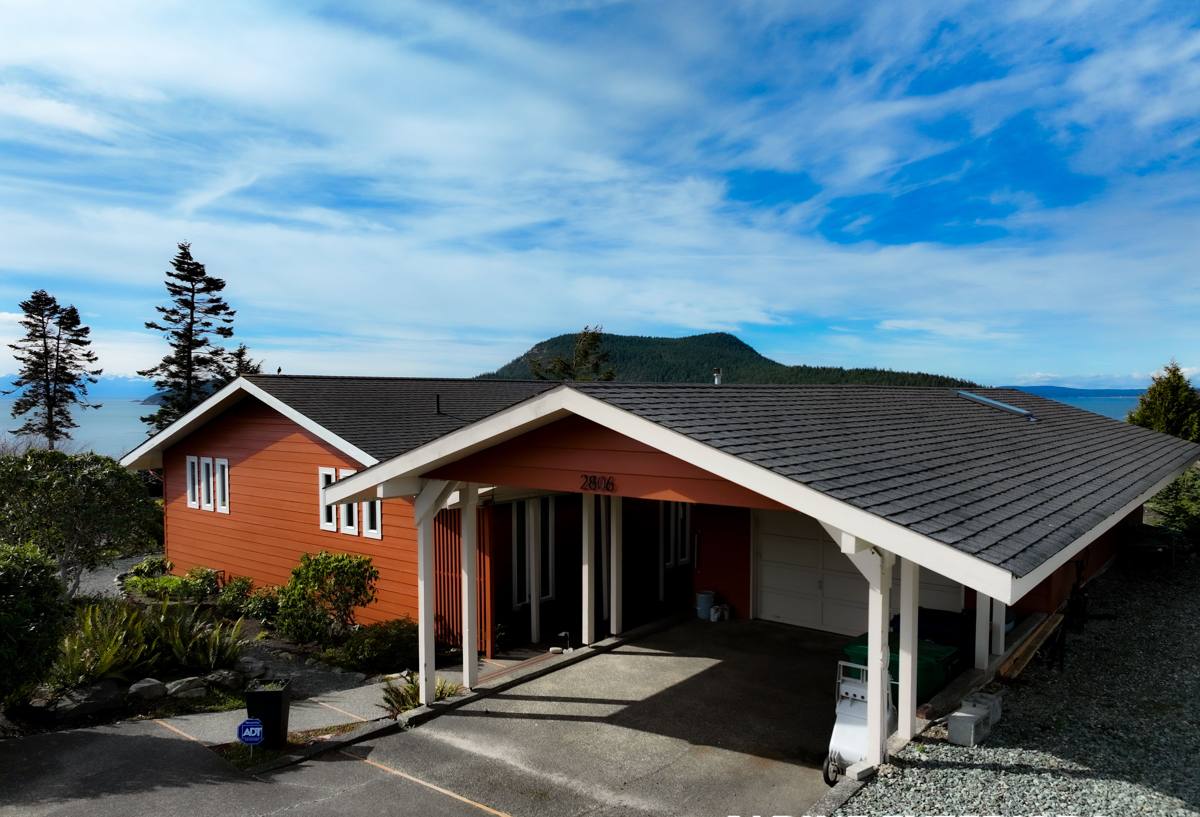
Lynden sits inland from the coast in the Nooksack River valley, in the heart of Whatcom County's farm country. That inland position changes what a home's exterior deals with compared to a house right on the water. Lynden doesn't get the direct salt spray that coastal Whatcom towns see, but it gets everything else that comes with living in the Pacific Northwest's wet belt: long stretches of steady rain, high humidity off the river bottomland, heavy morning dew for much of the year, and short, gray winter days that never quite let siding, trim, or roofing dry out completely. Add in the region's marine-influenced air moving inland off Semiahmoo Bay and the Salish Sea, and you get a climate that is relentless in a slow, cumulative way rather than a dramatic one.
That's the honest starting point for any exterior conversation in this area. Nothing about Lynden's weather is extreme on any given day. The damage comes from repetition — season after season of moisture sitting against a house with nowhere fast to go.
What the Wet Season Actually Does to a House
Homeowners in Lynden usually don't see failure happen all at once. It shows up as a slow list of small problems that, left alone, turn into expensive ones.
Moss and Organic Growth
Whatcom County's moss season is long — often eight or nine months of the year with conditions damp enough to support growth on roofs, north-facing siding, and shaded trim. Moss holds moisture against the surface it's growing on. On a roof, that means shortened shingle life and, eventually, water finding its way under the roofing material. On siding, it means paint and finish breaking down faster than it should, especially on the shaded side of a house or under overhanging trees, which are common on Lynden's larger lots.
Water Intrusion Through Weak Points
Most exterior failures we see don't start in the middle of a wall or roof field — they start at the joints, seams, and transitions: window flashing, roof-to-wall junctions, deck ledger boards, and siding butt joints. In a climate that's dry for a few months and soaked the rest of the year, any weak point at those transitions gets tested constantly. A flashing detail that would hold up fine in a drier climate can fail here in a few seasons.
Wood Movement and Rot
Wood-based siding and trim expand and contract with humidity swings, and in a valley climate like Lynden's, that swing happens often. Repeated wetting and drying is what drives paint failure, cupping, and eventually rot — particularly at butt joints, corner boards, and anywhere caulking has to do more work than it should.
Siding: Why We Only Install James Hardie
We install James Hardie fiber cement siding exclusively. We don't install vinyl, LP SmartSide, Cemplank, Allura, or primed wood products like spruce or cedar, and we think homeowners deserve a straight explanation of why, especially in a climate like Whatcom County's.
Wood-based siding products — including engineered wood like LP SmartSide and traditional cedar or primed spruce — perform reasonably well in dry climates. In a valley climate with a long moss season and sustained humidity, wood-based siding is fighting its base material the entire time. It needs consistent paint maintenance, careful caulking at every joint, and vigilant moisture management to avoid swelling, delamination, or rot at the edges. Vinyl siding avoids the rot problem but brings its own trade-offs: it isn't rigid, it can warp or distort in sustained temperature swings, its seams and J-channels are the weak points where water gets behind it, and it's not repairable in the way fiber cement is — a damaged section usually means replacing whole runs.
James Hardie fiber cement siding is non-combustible, doesn't support moss and mold growth the way wood does, and holds its factory-applied ColorPlus finish far longer than field-applied paint on wood siding. Hardie also engineers specific product lines (its HZ5 line, for instance) for climate zones like ours, which matters more in the Pacific Northwest than in drier parts of the country. It's not a maintenance-free product — nothing exterior is — but it removes the constant repainting and rot-watching that wood siding demands in a climate this wet, and it comes with a strong transferable warranty when installed to spec.
Siding Comparison for a Climate Like Lynden's
| Material | Moisture behavior | Maintenance burden | Long-term cost picture |
|---|---|---|---|
| James Hardie fiber cement | Doesn't rot, resists moss/mold growth, factory finish sheds water well | Low — occasional wash, repaint only when the homeowner chooses a color change | Higher upfront, lower lifetime maintenance cost |
| Vinyl | Water can get behind panels at seams; doesn't rot but traps moisture against sheathing | Low, but limited repair options if damaged | Lowest upfront, potential full-run replacement if damaged |
| LP SmartSide / engineered wood | Needs consistent sealing at cut edges and joints to avoid swelling | Moderate — paint and caulk maintenance on a regular cycle | Moderate upfront, ongoing maintenance cost |
| Cedar / primed spruce | Most sensitive to sustained moisture; prone to cupping, rot at joints | High — regular repainting and moisture inspection | Variable upfront, highest lifetime maintenance cost |
Roofing: Managing Moss, Runoff, and Slow Water Damage
Roofs in the Nooksack valley take the brunt of the long wet season. We look at three things on every roofing job in this area: moss and debris management, flashing at every penetration and transition, and how well the roof is actually shedding water rather than letting it sit. A roof that looks fine from the ground can have moss quietly working its way under shingle tabs at the ridge or in shaded valleys, and that's usually where leaks eventually start. Gutter sizing and placement also matter more here than in drier climates — undersized or poorly pitched gutters back water up under roof edges during the heavier rain events the region gets through fall and winter.
Windows: Keeping Rain and Humidity Out
Window failures in this climate are almost always about the flashing and seal, not the glass itself. Water that gets behind a window opening because of poor flashing detail will eventually rot the framing around it, and by the time it's visible on the interior sill, the damage has usually been building for a while. When we replace windows, proper flashing integration with the surrounding siding — especially with Hardie's trim and joint details — matters as much as the window unit itself. Well-sealed, properly flashed windows also help manage the interior humidity that builds up in Lynden homes during the long stretch of gray, damp months.
Decks: Built for a Long Wet Season
Decks take a different kind of punishment — standing water on horizontal surfaces, ledger board connections to the house that are constantly exposed to moisture, and joists and framing that rarely get a real chance to dry out between fall and spring. The ledger board connection, where the deck attaches to the house, is one of the most common failure points we see, and it's also one of the most important to get right the first time, since it's a structural connection as much as a weatherproofing one. Proper flashing at that connection, adequate drainage across the deck surface, and材 choices suited to sustained moisture all matter more here than in a drier region.
Why a Local Crew Matters
A crew that works Whatcom County year-round knows what a Lynden winter actually does to a house, because they've seen it happen on other homes in the same valley, in the same weather. That means knowing which details — flashing laps, joint sealing, ventilation gaps — are worth extra attention here even when a manufacturer's minimum spec would technically pass. It also means being available for warranty work and follow-up without a homeowner having to track down an out-of-town crew that's moved on to the next region. For exterior work, correct installation matters as much as the product itself, and that's where local experience in this specific climate earns its keep.
What to Expect From an Estimate
- An honest look at your current siding, roofing, windows, or deck — including where moisture is already causing problems, not just cosmetic wear
- A straight explanation of what's driving any recommended work, in plain language, not sales pressure
- Specifics on materials — for siding, that means James Hardie products and why, not a menu of competing options
- A written scope so you know exactly what's being done and why before any work starts
- No obligation to move forward — the estimate is yours to use for comparison however you'd like
Signs Your Exterior Needs a Closer Look
- Moss building up on the roof or on shaded siding, especially on the north side of the house
- Paint that's peeling, bubbling, or wearing unevenly on wood-based siding or trim
- Soft spots, staining, or a spongy feel around window sills or deck ledger boards
- Gutters overflowing during normal rain rather than only in heavy storms
- Visible gaps or cracking in caulking at siding joints, window trim, or deck-to-house connections
- A musty smell or condensation building up on interior window frames during the winter months
If any of that sounds familiar, or you'd just like a professional read on where your Lynden home stands, we're happy to take a look. We offer free, no-pressure estimates for siding, roofing, window, and deck work — come find out what your home actually needs before you decide anything.