 Semiahmoo Exterior
 Two Very Different Materials, One Decision
If you're re-siding a home in Semiahmoo or anywhere along this stretch of Whatcom County, you'll eventually land on the same fork in the road: vinyl or fiber cement. Both are legitimate, widely used siding materials. Both show up on new construction and remodels across the Pacific Northwest. But they behave very differently once they're actually on a wall facing salt spray off the water, months of driving rain, and the long, damp moss season that defines our winters here.
This page lays out how the two products actually compare — not marketing claims, but the practical trade-offs that matter once the siding has been on your house for ten or twenty years. We only install James Hardie fiber cement, so you should know that going in. But we'll give vinyl a fair shake first, because it earns its market share honestly.
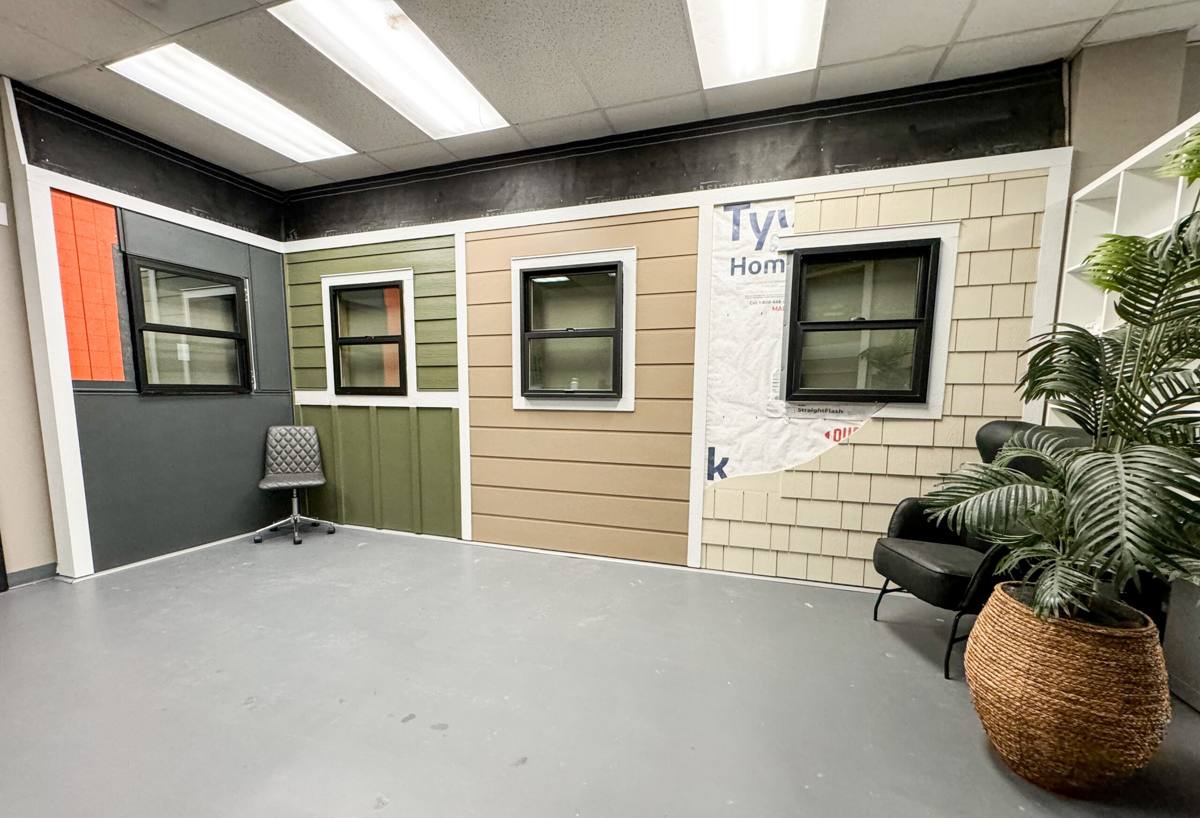
What Vinyl Siding Gets Right
Vinyl is inexpensive, lightweight, and fast to install, which keeps labor costs down. It never needs painting, it resists denting better than aluminum siding ever did, and modern vinyl profiles have gotten better at mimicking lap and shake patterns. For a budget-driven project, or a home where the owner plans to sell within a few years, vinyl can make financial sense. It's also a low-maintenance material in dry climates — a quick rinse a couple times a year is usually enough to keep it looking presentable.
None of that is in dispute. The issue isn't whether vinyl works as a product category — it's whether it's the right call for a home that sits this close to Semiahmoo Bay and the Strait of Georgia.
Where Vinyl Struggles in Our Climate
Salt Air and Material Fatigue
Vinyl is a petroleum-based plastic, and like most plastics it becomes more brittle over time as UV exposure and temperature swings break down the polymer chains. Salt air accelerates that process at the surface level and works into seams, fasteners, and trim joints faster than it does on inland homes. Panels that were flexible and forgiving in year one can crack or shatter under impact by year fifteen — a stray branch, a ladder bump, even a hard hail event.
Driving Rain and Water Behind the Panel
Vinyl siding isn't actually a watertight barrier — it's a rain screen designed to shed most water while relying on the house wrap and drainage plane behind it to handle what gets through the laps and seams. On a calm day that's fine. In wind-driven rain coming sideways off the water, which this area gets regularly in the fall and winter, vinyl seams can take in more moisture than the system was designed to shed quickly, especially around window and door transitions. If the water-resistive barrier behind it was installed poorly, that moisture has nowhere to go.
Moss, Algae, and the Long Damp Season
Vinyl doesn't rot, but it does host moss, algae, and mildew growth extremely well — the smooth plastic surface holds a thin film of moisture in shaded, north-facing areas for the entire wet season, which around here can run from October well into spring. Homes tucked under tree cover or facing away from the sun often develop persistent green and black staining that pressure washing only knocks back temporarily. It's a cosmetic issue more than a structural one, but it's a maintenance cycle that never really ends in this climate.
Heat Warping
It's counterintuitive for a place known for gray skies, but vinyl siding can warp or buckle from reflected heat — sun bouncing off a neighboring window, a dark-colored deck, or even a grill positioned too close to the wall. Once it warps, there's no repairing the panel; it has to be replaced, and matching the color on an older installation is often impossible because vinyl fades unevenly over the years.
What Fiber Cement Actually Is
James Hardie siding is a cement-based composite — sand, cellulose fiber, and portland cement, engineered and cured into dense, dimensionally stable boards. It's not plastic and it's not wood, which means it doesn't share vinyl's brittleness problem or wood's rot and pest vulnerabilities. It's also non-combustible, which matters more each year as wildfire smoke and fire-season concerns creep into building conversations even on the wet side of the state.
Hardie makes climate-specific product lines, including an HZ5 formulation engineered for regions with freeze-thaw cycling and moisture exposure like ours. The factory-applied ColorPlus finish is baked on under controlled conditions, which gives it more consistent, longer-lasting color than field-applied paint — and it comes with its own dedicated finish warranty separate from the substrate warranty.
Side-by-Side Comparison
| Factor | Vinyl Siding | James Hardie Fiber Cement |
|---|---|---|
| Base material | PVC plastic | Cement, sand, cellulose fiber |
| Combustibility | Melts/burns under heat exposure | Non-combustible |
| Salt air resistance | Degrades faster; brittleness over time | Engineered for coastal/marine exposure |
| Moisture behavior | Rain-screen only; seam infiltration risk | Dense composite, low moisture absorption when coated/sealed properly |
| Moss/algae staining | Common on shaded, damp walls | Occurs but factory finish resists it better and cleans up more predictably |
| Impact resistance | Cracks/shatters when brittle | Dents less, resists cracking better |
| Color/finish | Through-body color, fades unevenly | Factory-baked ColorPlus finish |
| Repair/replace matching | Discontinued colors hard to match | More consistent color retention over time |
| Typical lifespan installed correctly | 20–30 years, variable | 30-plus years, often longer with proper maintenance |
Installation Sensitivity: Both Matter, but the Stakes Differ
It's a myth that vinyl is "install-proof" and fiber cement is "install-fussy" — both products fail when installed wrong. Vinyl needs correct nailing (not too tight, allowing for thermal expansion) and proper flashing at penetrations. Fiber cement needs correct fastening, proper clearances from grade and roof lines, factory-primed or sealed cut edges, and correct caulking at joints per the manufacturer's installation guide.
The difference is what happens when it's done wrong. A poorly installed vinyl job usually shows itself early — buckling, gaps, rattling in wind. A poorly installed fiber cement job can look fine for years while moisture works into an unsealed cut edge or a butt joint with no gap, and the damage isn't obvious until it's advanced. That's exactly why we install every board to Hardie's published specifications rather than treating it as a faster version of a vinyl install — the material rewards precision and punishes shortcuts differently than vinyl does.
Cost Over the Life of the Home
Vinyl almost always wins on day-one price. Fiber cement costs more upfront in both material and labor, since it's heavier, requires different tools, and takes longer to install correctly. Where the math shifts is over a 20–30 year ownership horizon:
- Vinyl rarely needs painting, but panels that crack, warp, or fade unevenly get replaced piecemeal, often at a premium once the original color is discontinued.
- Fiber cement holds its factory finish far longer before repainting is even a consideration, and Hardie's ColorPlus warranty specifically covers finish performance.
- Resale and appraisal value tend to favor fiber cement, particularly in coastal and higher-end markets where buyers recognize it as a durability upgrade over vinyl.
- Insurance and fire-risk considerations increasingly factor in non-combustible exterior materials, which vinyl is not.
Warranty Structure
Vinyl warranties are typically prorated — full coverage in the early years, declining coverage as the product ages, and often void if a panel is discontinued and can't be matched. James Hardie's warranties are structured differently: a substrate warranty on the board itself and a separate ColorPlus finish warranty, both transferable to a new owner if the home sells, which is a meaningful detail for anyone who might sell within the warranty period. Always read the fine print on any warranty — installation requirements, transfer conditions, and what voids coverage vary by manufacturer and by installer certification.
Why We Only Install Hardie
We made the call years ago to standardize on James Hardie and stop installing vinyl, LP SmartSide, and other fiber cement alternatives. It's not that vinyl doesn't have a place in the market — it does, and plenty of reputable contractors install it well. It's that we didn't want to keep telling Whatcom County homeowners "it'll probably be fine" about a plastic product going up against salt air, sideways rain off the Strait, and a moss season that barely takes a break. Hardie's climate-engineered lines, non-combustible composition, and factory finish match what this specific coastline actually demands, and we'd rather install one product exceptionally well than several products adequately.
Questions to Ask Before You Choose
- Is the siding rated or engineered for coastal/marine exposure, or just standard interior-climate spec?
- What does the warranty actually cover — material only, or finish too — and is it transferable if you sell?
- How is the installer handling cut edges, joints, and clearances from grade and roofline?
- What's the manufacturer's own installation guide say, and is the crew following it exactly or "close enough"?
- How has this product performed on homes near the water in this specific area, not just in general marketing material?
If you're weighing siding options for a home in Semiahmoo or anywhere nearby in Whatcom County, we're happy to walk the exterior with you, point out what your current siding is telling you, and give you a straight answer on what it would take to do it right. Reach out for a free, no-pressure estimate.