 Semiahmoo Exterior
 Roof Repair Built for Wiser Lake's Climate
Homes around Wiser Lake sit in one of the more demanding roofing environments in Whatcom County. The combination of salt-laden air drifting in off the Semiahmoo waterfront, driving rain that comes in sideways during winter storms, and a long, shaded moss season around the lake means roofs here work harder than roofs in drier inland parts of the state. A repair that would hold up fine in Eastern Washington can fail within a season or two out here if it isn't done with this climate in mind.
We repair roofs in the Wiser Lake area regularly, and the failures we see are rarely random. They follow patterns tied directly to the weather this part of Whatcom County gets year after year. Understanding those patterns is the difference between a repair that lasts and one that just hides the problem for a while.
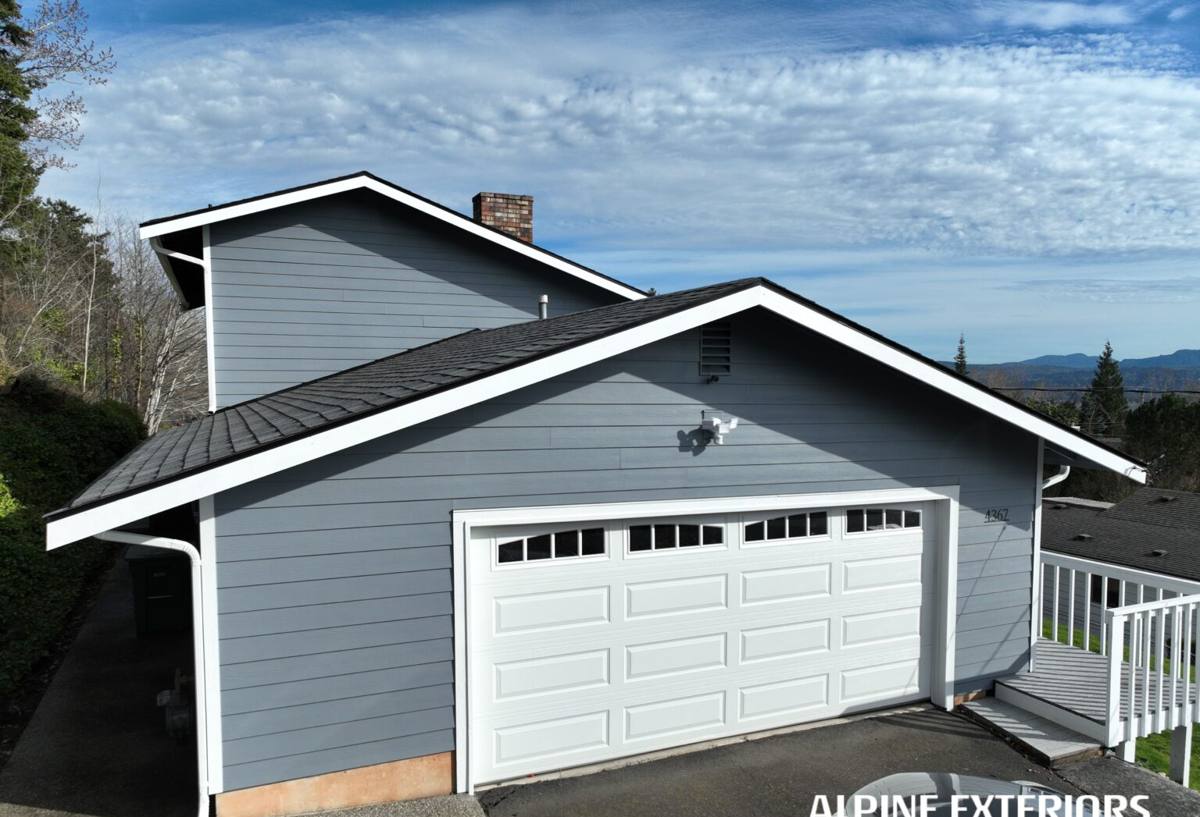
Why Roofs in This Area Wear Differently
Salt Air and Metal Fatigue
Even homes set back from the water get a steady dose of salt-carrying moisture blowing in from Semiahmoo Bay. That salt air accelerates corrosion on exposed metal — flashing, fasteners, gutter hardware, and any exposed roofing nails. Corrosion on a nail head or a flashing seam doesn't look like much at first, but it's usually the starting point for a leak that shows up months later somewhere else on the roof entirely.
Driving Rain and Wind-Driven Water
Storms moving through this part of Washington tend to push rain sideways rather than straight down. That matters for roofing because it forces water up and under shingles, flashing edges, and vent boots in ways a straight-down rain never would. A roof section that's perfectly watertight in a calm rain can leak during a windstorm because the water is being driven into laps and seams instead of running off them.
The Long Moss Season
Wiser Lake's tree cover and lake-effect humidity keep roof surfaces damp longer than they'd stay in a more open, sunny location. That extended dampness is exactly what moss and lichen need to take hold. Moss doesn't just look bad — it holds water against the roofing material, lifts shingle edges as it grows, and works its way into seams over multiple seasons. By the time moss is visible from the ground, it's often already done some damage underneath.
Signs a Wiser Lake Roof Needs Repair
Most roof problems out here don't announce themselves with a dramatic leak on day one. They show up as small, easy-to-miss signs first. Homeowners who catch these early save themselves from bigger repairs later.
- Moss or thick lichen patches, especially on north-facing or shaded slopes
- Granules collecting in gutters or at downspout outlets
- Curling, cracking, or lifted shingle edges
- Rust staining around flashing, vent boots, or exposed fasteners
- Dark streaking or a soft, spongy feel underfoot in the attic decking below a section of roof
- Water stains on interior ceilings that appear only during windy storms, not calm rain
- Daylight visible through the roof deck from inside the attic
- Gutters or valleys that hold standing water instead of draining freely
Any one of these on its own might be minor. Several together usually mean water has already found a way in and the roof needs a closer look before the next storm season.
What a Correct Roof Repair Actually Involves
A roof repair that's done right isn't just patching the spot where water is showing up inside the house. Water travels — it can enter at one point and track along the decking before it drips somewhere else entirely. A proper repair traces the problem back to its actual source.
Diagnosis Before Patching
We start by inspecting the roof itself, not just the ceiling stain reported inside. That means checking flashing around chimneys, vents, and skylights, examining valleys and eaves where water concentrates, and looking at the general condition of the roofing material around the suspected problem area. On a Wiser Lake roof, we're also checking for moss encroachment and any corrosion on fasteners and metal components, since those are common local culprits even when they're not the immediate cause of a leak.
Addressing the Root Cause
Once we know what's actually failing — a cracked flashing seam, a deteriorated vent boot, lifted shingles, a clogged valley — we repair that specific failure rather than just sealing over the visible symptom. Sealant alone is rarely a durable fix; it's a stopgap that tends to fail again within a season or two, especially with the wind-driven rain this area gets.
Matching Materials and Technique
Repairs use materials compatible with the existing roof system, fastened and flashed to shed water the same way the original installation was designed to. A repair that doesn't match the surrounding roofing's slope, overlap, and fastening pattern can actually create a new weak point instead of fixing the old one.
Repair vs. Replacement: How We Help You Decide
Not every roof problem calls for a full replacement, and not every roof is a good candidate for another round of patching. We walk homeowners through the honest trade-offs rather than defaulting to the bigger job.
| Factor | Leans Toward Repair | Leans Toward Replacement |
|---|---|---|
| Roof age | Under 15 years, in generally sound condition | Nearing or past manufacturer's expected service life |
| Extent of damage | Localized — one section, valley, or penetration | Spread across multiple slopes or recurring in different spots |
| Moss/moisture history | First occurrence, caught early | Long-term moss damage with soft decking or widespread granule loss |
| Underlying decking | Solid, no rot found during inspection | Soft spots, rot, or repeated water intrusion into the deck |
| Cost over time | Lower upfront cost, appropriate for the damage found | Repeated repairs starting to approach replacement cost |
We'll give you a straight answer on which side of this table your roof falls on, along with the reasoning, so you're not guessing.
Our Repair Process
- On-site inspection. We examine the roof in person, including areas that aren't visible from the ground, and check the attic where accessible.
- Written findings and options. You get a clear explanation of what's actually wrong, what caused it, and what it will take to fix it correctly — including whether repair or replacement makes more sense.
- Scheduling around weather. Given how much rain this area gets, we plan repair timing to work within dry windows so the repair area isn't exposed longer than necessary.
- The repair itself. We remove and replace failed materials, correct flashing and fastening issues, and address any moss or debris affecting the repair area.
- Cleanup and check. Work areas are cleared of old materials and debris, and we walk the completed repair with you before we consider the job done.
Moss, Debris, and Preventive Care
Repairing the current problem is only half the job if the conditions that caused it are still in place. For a lot of Wiser Lake homes, that means dealing with moss and debris buildup as part of, or right after, the repair.
Moss Treatment
Where moss is present, we remove it carefully rather than scraping aggressively, since aggressive removal can strip granules and damage the roofing surface underneath. Depending on the roof type and condition, a moss treatment or zinc/copper strip installation can help slow regrowth, extending the time before it becomes a problem again.
Gutter and Valley Clearing
Clogged gutters and valleys are one of the most common contributors to repeat leaks in this area. Standing water backs up under shingle edges and flashing, especially during the heavier winter rain events. Clearing these out during a repair visit is a small step that prevents a lot of repeat calls.
Materials and Fasteners That Hold Up Locally
Given the salt air and moisture exposure around Wiser Lake, we pay close attention to the small components that often get overlooked — the fasteners, flashing metal, and sealants that hold a repair together over the long run.
- Corrosion-resistant fasteners rather than standard hardware that rusts quickly in salt-influenced air
- Flashing metals chosen for durability against moisture and salt exposure, not just upfront cost
- Sealants and adhesives rated for the temperature swings and prolonged dampness typical of this area
- Shingle and underlayment materials matched to the existing roof so the repair performs consistently with the rest of the system
Cutting corners on these details is exactly how a "fixed" leak comes back within a year. We treat this as our standard, not an upsell.
Why It Matters That We Already Work in Wiser Lake
A crew that's unfamiliar with this part of Whatcom County can miss things that are obvious to someone who works here regularly — how much moss a particular tree canopy generates, which flashing details fail first under wind-driven rain, or how quickly salt air corrodes a given fastener type. Working in this area consistently means we're not guessing at how the local climate affects a repair; we're applying what we've already seen hold up and what hasn't.
It also means we understand the practical side of working here — access around lake-adjacent properties, coordinating repair timing with the wetter months, and being available for a follow-up check if a repaired area needs a second look after the next big storm.
Getting a Roof Repair Started
If you're seeing moss buildup, granule loss, staining, or a leak that only shows up during windy storms, it's worth having a roof looked at before the next round of Whatcom County rain finds its way in further. We offer a free, no-pressure estimate — we'll inspect the roof, explain what we find in plain terms, and give you an honest recommendation on repair versus replacement. There's no obligation, just a clear picture of where your roof actually stands. Use the form below to request a time that works for you.