 Semiahmoo Exterior
 Why Blaine Harbor Siding Wears Differently
Homes near Blaine Harbor sit in one of the more demanding microclimates in Whatcom County. The combination of salt-laden air off the water, wind-driven rain that comes in sideways during winter storms, and a long, damp moss season means siding here works harder than siding a few miles inland. It's not unusual for us to find damage patterns in Blaine Harbor that we rarely see on homes further from the water — corroded fasteners, softened trim near ground level, and moss colonies that have been quietly holding moisture against a wall for months.
Siding repair in this setting isn't just about patching what's visible. It's about understanding why that spot failed in the first place, because in a harbor environment the same conditions that damaged one section are working on the rest of the wall right now.
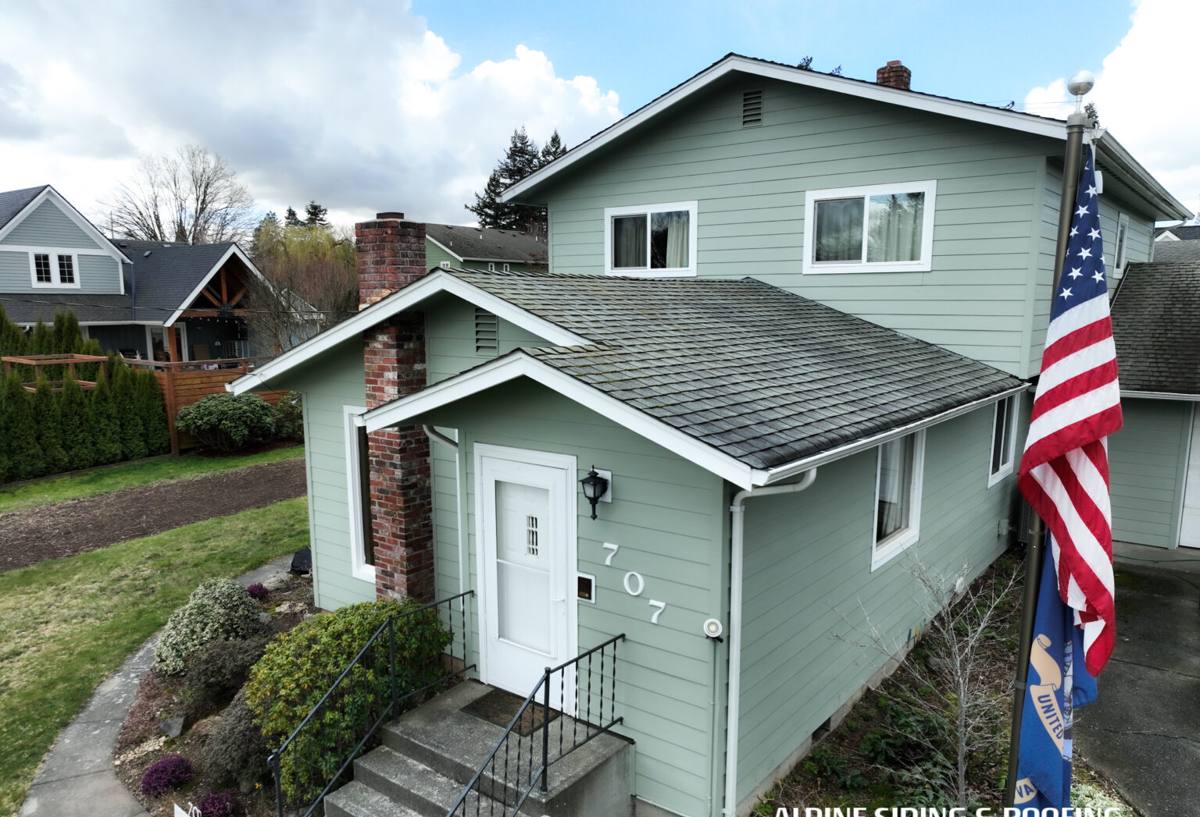
What Salt Air, Rain, and Moss Actually Do to Siding
Salt Air and Fastener Corrosion
Airborne salt is corrosive to metal, and siding is held on with a lot of metal — nails, screws, flashing, and trim fasteners. Over years of exposure, fasteners near the water can weaken, streak, or back out, which loosens boards and opens gaps for water to get behind the cladding. A repair that just re-drives the same corroding fastener doesn't fix the underlying problem; it just delays the next failure.
Driving Rain and Water Intrusion
Blaine Harbor's exposure to wind off the water means rain doesn't just fall straight down — it gets pushed sideways into laps, seams, and trim joints that were never designed to shed water horizontally. Once water works past a lap joint or a poorly sealed penetration (a hose bib, a light fixture, a vent), it can travel behind the siding and sit against the sheathing, which is where rot starts.
Moss, Algae, and Prolonged Moisture
Whatcom County's wet season runs long, and shaded, north-facing, or low-airflow walls near Blaine Harbor can stay damp for weeks at a stretch. Moss and algae don't just look bad — they hold moisture directly against the siding surface, which accelerates whatever material is underneath, whether that's wood fiber, cedar, or a painted finish that's starting to fail.
Signs Your Siding Needs Repair Now, Not Later
- Soft or spongy spots when you press on the siding, especially near the bottom courses or around windows
- Visible gaps, warping, or boards that have pulled away from the wall
- Rust streaks or fastener heads that look corroded or are backing out
- Moss or algae growth that keeps coming back even after cleaning
- Peeling or bubbling paint, or finish that looks chalky and worn thin
- Water stains on interior walls or ceilings near exterior corners
- Cracked or split boards, particularly around corners and trim
- A musty smell near exterior walls, especially in closets or lower rooms
Any one of these on its own might be minor. Several together, or damage that's spread across more than one wall, usually means the issue has been developing for a while and deserves a proper inspection rather than a quick patch.
Repair or Replace: How We Make the Call
Not every damaged section needs to come off the whole house, but not every problem is fixable with a patch either. We look at three things: how much of the wall is affected, whether the damage is surface-level or has reached the sheathing, and how much life is realistically left in the surrounding material.
| Situation | Usually a Repair | Usually a Replacement |
|---|---|---|
| Damage scope | Isolated to one or two boards or a small section | Spread across a wall or multiple elevations |
| Moisture reading | Surface only, sheathing reads dry | Elevated moisture at the sheathing or framing |
| Cause | One-time event (impact, failed sealant, one bad fastener) | Systemic exposure issue affecting the whole wall |
| Material condition | Surrounding siding is sound and matches available material | Original material is discontinued, brittle, or failing broadly |
| Underlying material | Existing siding is Hardie fiber cement | Existing siding is wood, LP, or vinyl showing widespread wear |
What a Correct Repair Actually Involves
Diagnosis Before Demolition
We start by finding out why the section failed, not just cutting it out. That means checking moisture levels at the sheathing, inspecting the flashing and house wrap behind the damaged area, and looking at whether the fastening pattern or a nearby penetration contributed to the problem. Repairing over a moisture problem without addressing the source just means doing the same repair again in a few years.
Matching Material and Fastening Correctly
A patch that doesn't match the reveal, profile, or finish of the surrounding siding stands out and can create its own water paths at the seams. On Hardie siding, we work with the manufacturer's specified fastening pattern and joint treatment, which is engineered for the coastal wind and moisture exposure this area sees — not a generic patch job.
Flashing and Sealant, Done Right
Most siding failures near the water trace back to a flashing detail or a sealant joint that gave out, not the siding material itself. A correct repair rebuilds those details — proper head flashing over trim and openings, correctly lapped house wrap, and sealant used only where it belongs, not as a substitute for flashing.
Why the Underlying Material Matters for Repairs
We install James Hardie fiber cement exclusively, and one reason is how it behaves during and after a repair. Hardie's ColorPlus factory finish is engineered for UV and coastal weathering, so a properly matched repair section holds its color and doesn't need repainting to blend in. The board itself is non-combustible and doesn't absorb water the way wood-based products do, so a repaired section isn't quietly re-absorbing moisture from the next rain.
If your home currently has cedar, primed spruce, LP SmartSide, or vinyl siding, we can still repair it — patching what's there is often the right call for a homeowner who isn't ready for a full re-side. But if the damage is widespread, or the material is reaching the end of its practical life, we'll tell you honestly rather than keep patching a product that's going to keep failing in this environment. In those cases we recommend transitioning the affected wall, or eventually the home, to Hardie's HZ10 product line, which is engineered specifically for high-moisture, coastal climates like Blaine Harbor's.
Our Repair Process
- On-site inspection of the damaged area and a moisture check at the sheathing
- Assessment of the cause — fastener failure, flashing gap, sealant failure, or prolonged moisture exposure
- A clear, written explanation of repair versus replacement, with our reasoning
- Removal of the affected section back to sound material
- Repair or replacement of any damaged flashing, house wrap, or sheathing found underneath
- Installation of matched siding material with correct fastening and joint treatment
- Final check for proper drainage and weather-tightness before we consider the job done
Why a Crew That Already Works Blaine Harbor Makes a Difference
Siding repair near the water isn't the same job as siding repair a few miles inland, and a crew that hasn't worked in a marine-exposure neighborhood can miss the details that matter most here. We know what fastener corrosion looks like at this stage versus that stage, which wall orientations in Blaine Harbor tend to hold moss the longest, and how far wind-driven rain actually pushes water into a lap joint during a real winter storm off the water — because we've seen it on homes nearby, not just in a manual.
That local familiarity also means fewer surprises once we open up a wall. We generally know what we're going to find before we start, which keeps the job on schedule and avoids the change-order guesswork that comes with a crew seeing this kind of exposure for the first time.
Keeping Repaired Siding in Good Shape
A good repair should last, but a little seasonal attention goes a long way in this climate. A few habits worth keeping up:
- Rinse salt spray off exposed walls periodically, especially after storms, rather than letting it sit
- Keep gutters and downspouts clear so water isn't sheeting down the wall face
- Trim back vegetation and clear debris that keeps a wall shaded and damp
- Address new moss growth early, before it has a chance to hold moisture against the surface
- Have caulking and sealant joints checked every couple of years, since they're usually the first thing to give out
What Repairs Typically Involve, Cost-Wise
Every repair is different, but the main cost drivers are consistent. This isn't a quote — it's a guide to what actually moves the price up or down.
| Factor | Why It Matters |
|---|---|
| Size of affected area | More boards to remove and match means more labor and material |
| Extent of hidden damage | Rotted sheathing or framing behind the siding adds carpentry work beyond the siding itself |
| Material match | Matching an existing profile, reveal, and finish takes more care than a straight replacement |
| Access | Second-story or hard-to-reach wall sections take longer and may need staging |
| Underlying cause | Fixing a flashing or drainage issue behind the siding adds scope but prevents a repeat repair |
If parts of your Blaine Harbor home's siding are showing wear, soft spots, or recurring moss, it's worth getting a straightforward, no-pressure look before a small problem becomes a bigger one. We'll tell you honestly whether it's a repair or something more, and why. Use the form below to request a free estimate.