 Semiahmoo Exterior
 Why Cherry Point's Climate Changes the Metal Roofing Equation
Cherry Point sits directly on Whatcom County's shoreline, facing the Strait of Georgia with little in the way of windbreaks between the water and the roofline. That exposure changes what a roof has to survive here compared to homes even a few miles inland. Salt-laden air, wind-driven rain, and a moss season that can run most of the year all put steady stress on roofing materials, and a roof that isn't specified and installed with that in mind will show it early — usually in the form of fastener corrosion, panel staining, or moisture finding its way under the surface.
Metal roofing, done right, handles this environment better than most alternatives. But "done right" is doing a lot of work in that sentence. The material, the fastening system, the underlayment, and the flashing details all need to be chosen for a coastal Whatcom County roof specifically, not just installed the same way they'd be installed forty miles inland.
Salt Air and Corrosion
Airborne salt from the Strait doesn't just affect boats and railings. It settles on roofing surfaces, fasteners, and flashing, and over years it accelerates corrosion on materials that aren't rated for a marine or near-marine environment. This is why the coating on a metal roof — and the metal underneath it — matters more here than it would on a similar home away from the water. Bare or lightly coated steel, uncoated fasteners, and mismatched metals that trigger galvanic corrosion are all common causes of premature failure on coastal homes.
Driving Rain and Wind-Driven Water
Rain in this part of Whatcom County rarely falls straight down. Wind off the water pushes it sideways and up under laps, edges, and penetrations that would stay dry in a calmer climate. A metal roof's actual weather resistance comes from its seams, flashing, and underlayment far more than from the panel itself, so a system that isn't detailed for wind-driven rain will leak at the trim and transitions long before the panels themselves fail.
A Long Moss Season
Cool, damp conditions for much of the year mean moss and organic growth are a near-constant presence on shaded and north-facing roof areas. Moss holds moisture against a roof surface and, on some materials, contributes to premature wear. Metal roofing resists moss better than most surfaces because it doesn't hold moisture the way a porous material does, but valleys, low-slope sections, and areas that stay shaded still need attention so debris doesn't build up and hold water against seams and fasteners.
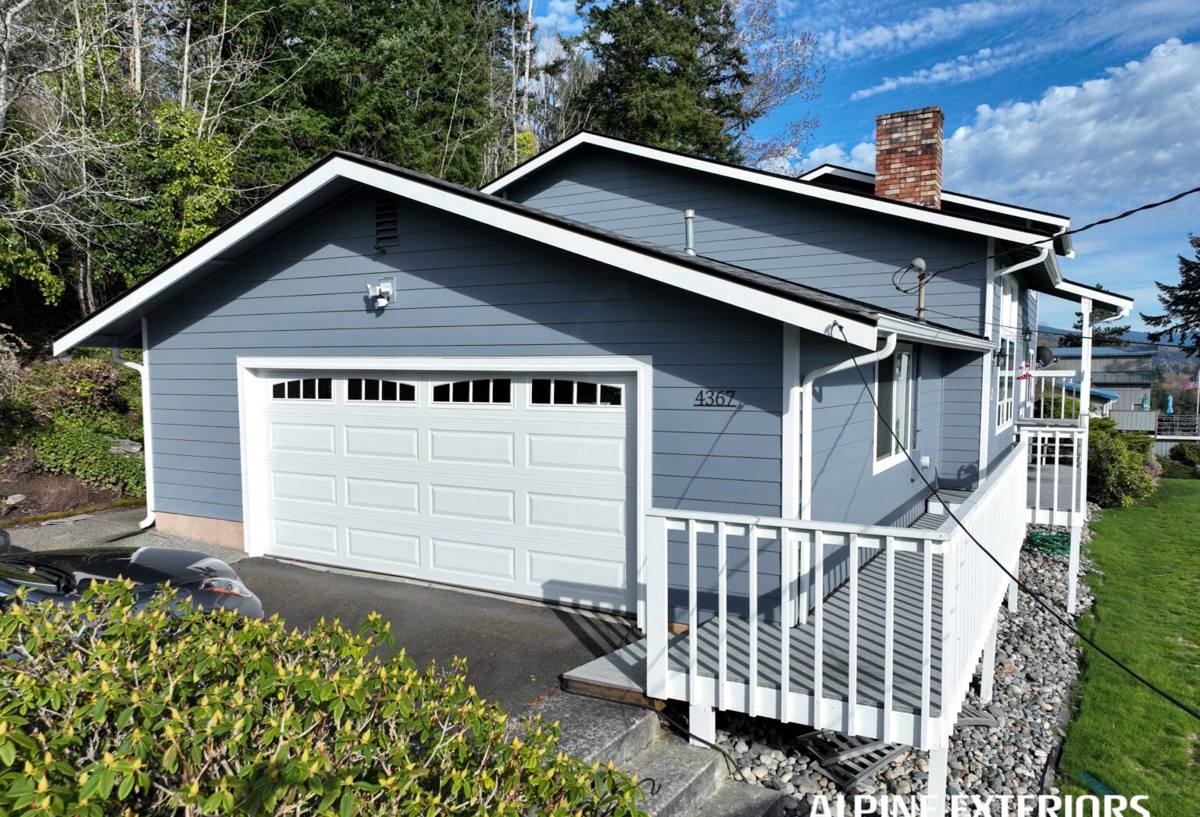
What a Correct Metal Roof Installation Actually Involves
A metal roof is a system, not a single product. The panel is the visible part, but the underlayment, fastening method, and flashing details are what actually determine whether the roof performs in this climate for decades or starts causing problems within a few years.
Underlayment and Moisture Management
Underneath every metal panel should be a underlayment layer built to handle the moisture that will inevitably find its way past the surface metal at some point — through condensation, wind-driven rain, or ice in a cold snap. On a coastal roof, we treat this layer as the real waterproofing system and the metal as the primary shedding surface, not the other way around. Skipping or skimping on underlayment is one of the most common shortcuts that causes hidden deck damage under a roof that still looks fine from the ground.
Fastening Systems
How the panels attach to the roof deck affects both wind performance and long-term corrosion resistance. Exposed-fastener systems rely on gasketed screws driven through the panel face, which means every one of those fasteners is a potential point of failure if the wrong fastener material or gasket is used in a salt air environment. Concealed-fastener systems, like standing seam, hide the attachment points under the seams entirely, which removes that failure point but requires more precise installation. We match the fastening approach to the home, the roof pitch, and the budget, but we don't cut corners on fastener quality on a shoreline property — it's one of the cheapest parts of the job to get right and one of the most expensive to fix later.
Flashing and Transitions
Valleys, chimneys, vents, wall transitions, and roof edges are where the vast majority of roof leaks start, on metal roofs and every other kind. Correct flashing on a metal roof means custom-formed pieces that integrate with the panel profile, proper laps in the direction of water flow, and sealant used as a backup, not a substitute for good mechanical design. In a climate with sustained wind-driven rain, we treat these details as the most important part of the installation, not an afterthought once the panels are down.
Choosing the Right Metal System for a Cherry Point Home
There isn't one "best" metal roofing system for every home — the right choice depends on the roof's pitch, the home's exposure to wind and salt spray, and how the homeowner wants the finished roof to look. Here's how the common options compare for a coastal Whatcom County property.
| System | Best for | Coastal durability | Considerations |
|---|---|---|---|
| Standing seam (concealed fastener) | Most roof shapes, especially where long-term low maintenance matters most | Very strong — no exposed fasteners for salt air to attack | Higher upfront cost, requires experienced installers for tight seams and flashing |
| Exposed-fastener panels | Simpler roof shapes, budget-conscious projects, outbuildings | Good, but only as good as the fastener quality and gasket condition | Fasteners need periodic inspection; gaskets age faster in constant salt exposure |
| Stone-coated steel or metal shingles | Homes wanting a traditional shingle or shake look with metal's durability | Good with a proper coastal-rated coating | More cutting and detail work around penetrations; coating quality matters more here than inland |
On the metal itself, we generally steer homeowners here toward aluminum or a Galvalume-coated steel with a quality baked-on finish, rather than bare or minimally coated steel. It's not that lesser-coated steel is defective — it's that the added corrosion protection is inexpensive relative to the total project cost and makes a real difference over a 30-to-50-year roof life this close to the water. That's a professional standard we hold to on shoreline properties, not a knock on any particular product line.
Our Process, From Estimate to Finished Roof
Inspection and Assessment
We start by getting on the roof, not just looking at it from the ground. We check the deck for soft spots or moisture damage, look at ventilation, note the roof's exposure to prevailing wind and rain direction, and identify every valley, penetration, and transition that will need custom flashing. This is also when we talk through panel style, color, and budget with the homeowner.
Tear-Off and Deck Prep
Any damaged decking gets replaced before new underlayment goes down — installing a premium metal roof over a compromised deck just hides the problem for a while. We install the underlayment system appropriate for the roof's pitch and exposure, then work through flashing details before a single panel goes on.
Installation Day
Panels are cut, fitted, and fastened according to the manufacturer's specifications and our own coastal-specific standards for fastener type and spacing. Valleys, ridges, and edge trim are formed and installed to shed water in the direction it will actually travel during a wind-driven storm, not just straight downhill.
Final Walkthrough and Documentation
Once the roof is complete, we walk it with the homeowner, review the workmanship and warranty documentation, and go over what maintenance (if any) the specific system needs going forward. We'd rather a homeowner know exactly what they have than discover it by surprise years later.
Cost Factors Worth Understanding
Metal roofing costs more upfront than asphalt shingles, and the exact number depends on roof size, pitch, complexity, and system choice. Rather than quote a number that won't fit every roof, here are the factors that actually move the price on a Cherry Point project:
- Panel system: standing seam typically costs more than exposed-fastener panels due to labor and material
- Roof complexity: more valleys, dormers, and penetrations mean more custom flashing labor
- Deck condition: any rot or soft decking found during tear-off adds repair cost before roofing begins
- Coating and metal grade: better corrosion protection costs more but pays off over the life of a coastal roof
- Access and pitch: steep or hard-to-access roofs take longer and require more safety setup
We give a firm, itemized quote after the on-roof inspection — not a phone estimate — because the roof's actual condition and complexity are what determine the real cost.
Maintaining a Metal Roof in a Salt Air, Moss-Prone Climate
Metal roofing is low maintenance compared to most materials, but "low maintenance" isn't "no maintenance," especially this close to the water. A short annual routine goes a long way toward getting the full lifespan out of the system:
- Clear leaves, needles, and debris from valleys and low-slope sections before fall rains set in
- Check gutters and downspouts for moss or debris buildup that can back water up under roof edges
- Look for any staining or discoloration around fasteners or flashing, which can signal an early corrosion point
- Keep overhanging branches trimmed back to reduce shade, debris, and physical contact with the roof surface
- Have a professional check sealant and flashing at penetrations every few years rather than waiting for a leak
None of this requires walking the roof yourself — most of it can be checked from a ladder or during a gutter cleaning. The point is catching small issues while they're still small.
Signs Your Current Roof Is Telling You Something
Homeowners often call us after noticing a small sign that turns out to point to a larger issue. Rust streaking below fasteners or flashing, moss holding on in the same spot year after year, panels that have started to lift slightly at a seam, or interior signs like a musty smell in the attic are all worth a look before they become a bigger repair. On a coastal roof, problems tend to start at the details — flashing, fasteners, edges — rather than in the middle of a panel field, so that's where we focus an inspection.
Why Hire a Crew That Already Works Cherry Point
A lot of roofing knowledge is genuinely regional. How much wind-driven rain a roof needs to shed, how aggressive the moss season is on a shaded valley, how much salt exposure a fastener needs to withstand — none of that is answered the same way in Cherry Point as it would be for a roof in a dry inland climate. A crew that already works along this stretch of Whatcom County's shoreline has already seen how metal roofing systems hold up here over time, which informs the products and details we choose before problems show up rather than after.
There's also a practical side: familiarity with local permitting requirements, an understanding of the wind exposure specific to shoreline lots, and a track record of standing behind work done in this exact climate. That's worth more on a coastal roofing project than it is somewhere more sheltered.
If you're weighing a metal roof for a Cherry Point home, we're happy to take a look and put together a straightforward, no-pressure estimate — just fill out the form below and we'll get in touch.