 Semiahmoo Exterior
 Board & Batten Siding Built for Wiser Lake's Weather
Wiser Lake sits in the part of Whatcom County where marine air, heavy rain, and long stretches of shade off the tree line all work on a house at once. Board and batten siding — with its vertical panels and raised battens covering each seam — has become a popular look for homes in this area, and it's a style we install often. But board and batten only performs as well as the water management underneath it. Get that wrong, and the same design that looks sharp on day one traps moisture behind the battens for years. Get it right, and you have one of the most durable, low-maintenance siding profiles available for a lake-adjacent property.
This page covers what board and batten siding needs to hold up around Wiser Lake specifically, what a correct installation actually involves, and why we install it exclusively in James Hardie fiber cement rather than the vinyl or engineered-wood versions of the same look.
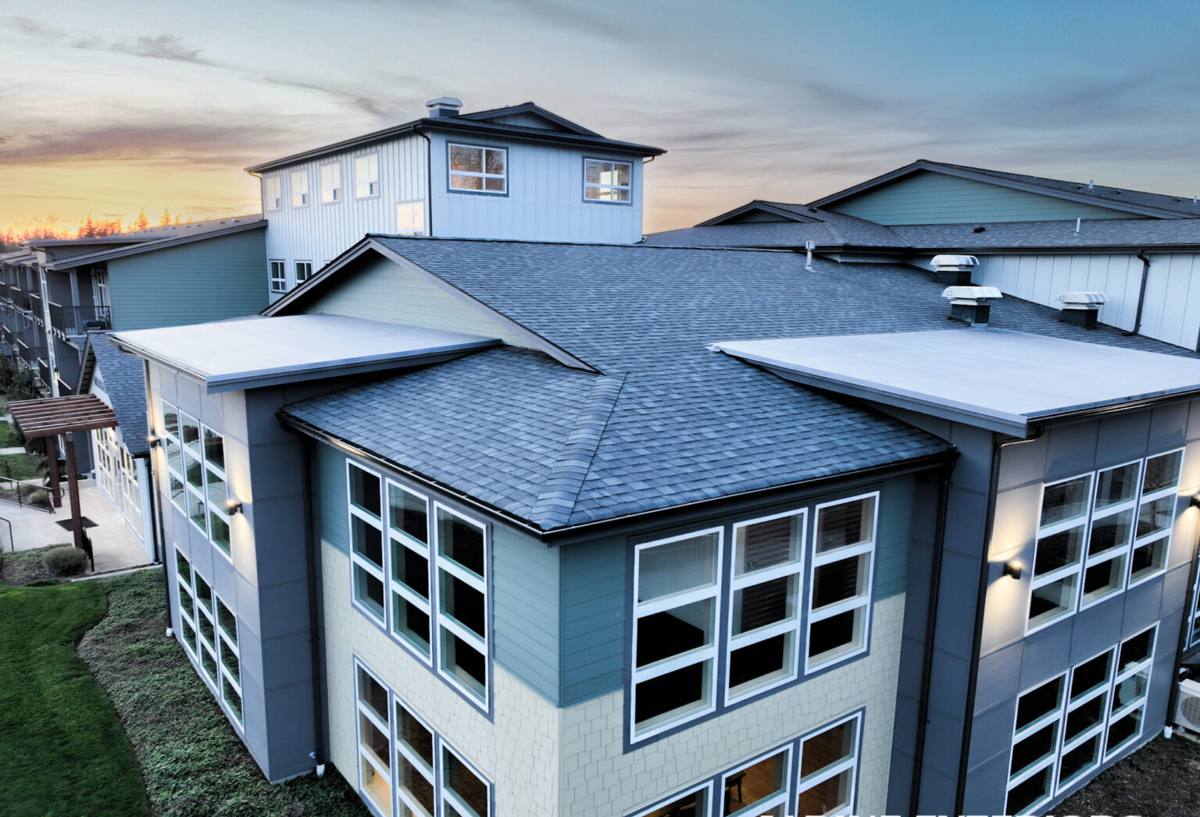
What Driving Rain, Salt Air, and Moss Season Do to Siding Here
Whatcom County's marine climate isn't dramatic — it's persistent, and persistence is what wears siding down. A few things stand out for homes around Wiser Lake:
- Driving rain: Wind-driven rain off the Strait doesn't just fall straight down — it pushes sideways into wall assemblies, finding any gap in flashing, caulk, or panel seams.
- Salt-influenced air: Proximity to the Salish Sea means siding, fasteners, and trim deal with airborne salt on top of ordinary moisture, which accelerates corrosion in unprotected metal and softens some organic sidings faster than an inland climate would.
- Long moss season: Tree cover and shaded lots around the lake keep siding damp longer after every rain event. Moss and algae take hold anywhere water sits or airflow is blocked, and once established they hold moisture against the wall even after the weather clears.
None of this is unusual for the area — it's just the baseline every siding product has to survive, year after year, without babysitting.
Why Board and Batten Fits Wiser Lake Homes Well
Board and batten has real practical advantages beyond its clean, vertical look. The batten strips cover every vertical seam, which reduces the number of exposed joints where water can work its way in compared to some horizontal profiles. On lake and forested lots, the strong vertical lines also read well against a wooded backdrop and pair naturally with the cabin-modern and craftsman styles common in this part of the county.
The trade-off is that board and batten depends entirely on what's happening behind the panel. A batten strip hides a seam from view — it doesn't waterproof it. That distinction is the whole game when it comes to a correct install.
Rainscreen Gap Behind the Panels
Correct board and batten siding is installed over a drainage gap — typically furring strips or a purpose-built rainscreen mat — not directly against the weather-resistive barrier. That gap lets any water that gets past the panel drain and dry out instead of sitting against the sheathing. On a shaded, moisture-heavy lot near Wiser Lake, skipping this step is one of the most common ways board and batten siding fails early.
Fastening and Batten Spacing
Battens need to land over solid backing and be fastened with corrosion-resistant fasteners rated for the coastal moisture in this region — not general-purpose staples or undersized nails. Spacing between battens also has to follow the manufacturer's engineering, not just what looks even from the ground, because it affects how the panel expands, contracts, and sheds water over time.
Trim, Flashing, and Transitions
Every window, door, corner, and roofline transition is a place where board and batten can either channel water away from the wall or funnel it straight into it. Z-flashing above horizontal trim, properly lapped house wrap, and sealed (not just caulked) penetrations matter more on a vertical profile than people expect, because the battens themselves create extra transition points.
Material Options for Board and Batten — and Why We Only Install James Hardie
Board and batten is available in several materials, and homeowners around Wiser Lake ask us to compare them often. Here's the honest breakdown:
| Material | Moisture & Moss Behavior | Maintenance Over Time | Our Position |
|---|---|---|---|
| James Hardie fiber cement | Non-combustible, engineered for wet marine climates, holds paint and factory finish well | Low — no repainting cycle with ColorPlus finish, occasional wash to keep moss from taking hold | What we install |
| Primed spruce or cedar board and batten | Attractive natural look, but wood absorbs and releases moisture with every wet-dry cycle common here | Higher — repainting/staining cycles, rot risk at battens and butt joints, more prone to moss retention | Not installed by our crews |
| Vinyl board and batten | Doesn't rot, but panels can warp, fade, or crack in temperature swings and don't seal seams as tightly as a fastened batten system | Low upfront effort, but limited repairability and shorter realistic lifespan | Not installed by our crews |
| Engineered wood (LP SmartSide style) | Better moisture resistance than raw wood, but still wood-based and dependent on edge sealing staying intact | Moderate — edge and cut-end sealing has to be maintained or moisture gets in | Not installed by our crews |
We standardized on James Hardie fiber cement because it's the option engineered specifically for climates like this one. Hardie's HZ5 product line is formulated for regions with freeze-thaw and heavy moisture cycling, the ColorPlus factory finish is baked on rather than field-applied, and the material itself doesn't feed mold or rot the way wood-based products can. It's also non-combustible, which matters more each year given regional wildfire smoke and ember exposure. That's not a knock on every other product on the list — vinyl and engineered wood both have legitimate uses — it's that once we saw how each performed under this specific combination of rain, shade, and salt air, fiber cement was the only one we were willing to warranty our labor against.
How We Approach a Board and Batten Job Near Wiser Lake
The process is the same discipline on every job, because the failures we're guarding against are the same on every job:
- On-site assessment: We look at your home's exposure — how much direct sun it gets, how close the tree line is, where water currently pools or stains the existing siding, and where past moisture damage shows up around windows and trim.
- Tear-off and sheathing check: Once the old siding is off, we inspect the sheathing and framing underneath. Any soft or water-damaged wood gets addressed before anything new goes back up — covering a problem with new siding just delays it.
- Weather-resistive barrier and rainscreen: A properly lapped house wrap goes on first, followed by the drainage gap that lets the wall breathe and drain behind the new panels.
- Panel and batten install: Hardie panels go up plumb and true, fastened to spec, with battens set at engineered spacing and fastened into solid backing.
- Flashing, trim, and caulking: Every window, door, and transition gets flashed and sealed correctly — this is where most long-term failures on other jobs actually start.
- Final walkthrough: We go over the finished wall with you, including what routine care looks like for the specific exposure your home has.
What to Ask Before You Hire a Board and Batten Crew in Wiser Lake
Board and batten hides mistakes well — a rushed install can look identical to a correct one for the first year or two, until moisture behind the panels starts to show. A few questions worth asking any contractor bidding the job:
- Do you install a rainscreen gap behind board and batten, or is the panel fastened directly to the house wrap?
- What fastener type and spacing do you use for battens, and are they rated for coastal/marine exposure?
- Who is doing the flashing at windows, doors, and rooflines — is it lapped correctly, or just caulked?
- Will you inspect and repair sheathing before re-siding, or just install over what's there?
- Is your labor backed by a written warranty, and does it match the manufacturer's material warranty?
- Have you worked on homes in this specific area, with this level of tree cover and moisture exposure?
A crew that already works around Wiser Lake has seen how this particular mix of shade, rain, and salt air plays out on real houses — not just in a manufacturer's spec sheet. That local pattern recognition is what catches problems before they're built into the wall.
Maintenance and Long-Term Care Around the Lake
Correctly installed James Hardie board and batten is genuinely low-maintenance, but "low" doesn't mean "none" on a shaded, moisture-heavy lot. A yearly rinse-down helps keep moss and algae from establishing on north-facing walls or areas under heavy tree cover. It's also worth walking your property after major storms to check that gutters and downspouts are directing water away from the siding rather than sheeting down a wall — that's a landscaping and drainage issue as much as a siding one, and it affects how any siding material performs over time, board and batten included.
If your home in the Wiser Lake area needs new siding, or your existing board and batten is showing early signs of moisture trouble, we're happy to take a look. Reach out below for a free, no-pressure estimate — we'll walk the exterior with you and tell you honestly what we find.