 Semiahmoo Exterior
 Windows That Have to Work in Wiser Lake's Climate
Homes around Wiser Lake sit in one of the tougher window environments in Whatcom County. You're close enough to the water to deal with salt-laden air, far enough into the marine weather pattern to get driving, wind-blown rain for months at a stretch, and shaded enough by the tree cover common in this part of the county to grow moss on anything that stays damp too long. None of that is dramatic on its own. It's the combination, applied year after year, that wears out windows faster here than it does in drier inland areas.
Window replacement in this neighborhood isn't just a cosmetic upgrade. Done right, it's a fix for the specific ways this climate attacks a window assembly: the frame, the seals, the flashing, and the glass itself.
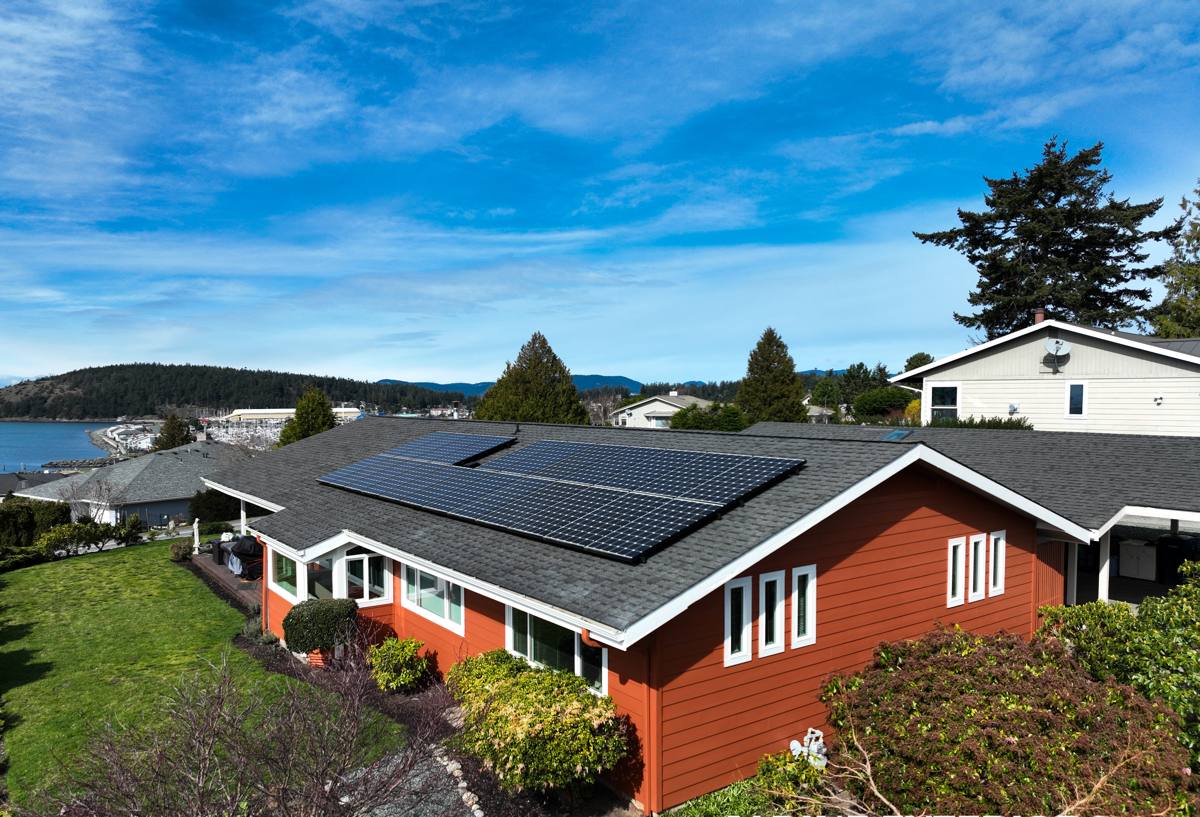
How Salt Air, Rain, and Moss Actually Damage Windows
Salt Air and Metal Components
Salt in the air accelerates corrosion on anything metal — window hardware, screen frames, and especially older aluminum sashes. Corroded hardware is often the first sign a window is failing before the glass or seal shows any obvious problem. Locks stick, cranks bind, and balance mechanisms in older wood-sash windows seize up.
Driving Rain and Water Intrusion
Wind-driven rain doesn't just hit a window head-on — it gets pushed sideways and upward, finding gaps that a light rain would never reach. Older windows, especially ones installed before current flashing standards, are more prone to water working past the frame and into the wall cavity. That's not always visible from inside the house until there's already rot in the framing.
Moss, Shade, and Sustained Moisture
Moss itself doesn't damage a window, but it's a sign of a bigger issue: moisture that isn't drying out between rain events. Shaded exterior walls stay damp longer, and if a window's exterior trim or sill holds that moisture against wood, you get slow rot rather than a sudden failure. By the time moss is visibly established on a window sill or the trim around it, there's a good chance the wood underneath has already softened.
Signs a Wiser Lake Home Is Ready for Replacement
- Visible fogging or moisture between panes of double-glazed glass, meaning the seal has failed
- Soft, spongy, or discolored wood on the sill, jamb, or exterior trim
- Windows that are difficult to open, close, or lock, especially after damp weather
- Persistent drafts near the frame even with the window fully closed and latched
- Moss or dark staining that keeps returning on the sill or trim within weeks of cleaning
- Noticeably higher heating costs compared to similar homes with newer windows
- Condensation forming on the interior glass regularly during cooler months
Any one of these on its own might just need a repair. Several at once, especially on a home's more exposed sides, usually means the windows are past the point where patching makes sense.
What a Correct Window Replacement Involves
It Starts with the Opening, Not the Window
A new window is only as good as the opening it goes into. Before anything is installed, that means checking the rough opening for square, inspecting the sill and framing for hidden rot, and confirming the existing flashing (or lack of it) is actually doing its job. Skipping this step is the single most common reason a "new" window leaks within a year or two — the water problem was never in the glass, it was in the wall.
Flashing and Water Management
In a climate that gets sustained, wind-driven rain, the flashing details around a window matter as much as the window itself. That includes a properly lapped sill pan, correctly sequenced house wrap or building paper integration, and head flashing that sheds water outward rather than behind the siding. This is the part of the job that's invisible once the trim goes back on, which is exactly why it has to be done correctly the first time.
Sealing and Insulation
Low-expansion window foam and backer rod around the frame, paired with proper caulking on the exterior trim, closes the gaps where drafts and moisture typically get in. Over-filling with high-expansion foam can actually bow a frame and cause the window to operate poorly, so this step takes some restraint, not just volume.
Finish Work
Interior and exterior trim gets reset or replaced, hardware gets tested through a full open-close-lock cycle, and the job isn't finished until water testing and a visual check confirm there's no path for moisture to get behind the new unit.
Choosing Materials for This Specific Climate
Not every window material handles salt air, rain exposure, and shaded, damp conditions equally well. Here's how the common options generally compare for a home in this kind of environment:
| Frame Material | Salt Air / Corrosion | Moisture Tolerance | Maintenance |
|---|---|---|---|
| Vinyl | Not affected by corrosion | Good; won't rot | Low — occasional cleaning |
| Fiberglass | Not affected by corrosion | Very good; dimensionally stable | Low |
| Wood (clad exterior) | Good if cladding is intact | Depends on cladding seal quality | Moderate — watch cladding seams |
| Bare wood | Fine, but hardware can corrode | Poor without diligent repainting | High — regular repainting needed |
| Aluminum (non-thermally-broken) | Prone to pitting and corrosion over time | Poor — conducts moisture and cold | Moderate to high |
We're upfront with homeowners that bare wood and older-style aluminum windows carry a heavier maintenance burden in this specific environment. That's not a knock on either material in general — it's a trade-off in moisture behavior and upkeep that matters more here than it would in a drier, more sheltered location.
What Drives Cost on a Wiser Lake Window Job
| Factor | Why It Matters Here |
|---|---|
| Existing rot or hidden water damage | Sustained rain exposure means framing repair is more common here than in drier areas |
| Number of exterior-facing sides being replaced | Sides that catch prevailing wind and rain need more careful flashing work |
| Window size and configuration | Larger or multi-pane units cost more and take longer to seal properly |
| Frame material chosen | Corrosion-resistant materials cost more upfront but reduce long-term upkeep |
| Trim and siding tie-in | Matching existing exterior finishes adds labor, especially on older homes |
Costs vary widely by home and scope, which is why we walk every job in person rather than quoting blind. As a general range, straightforward single-window replacements tend to run in the low thousands per window installed, with whole-house jobs scaling from there depending on size, material, and how much hidden repair turns up once the old windows come out.
Our Process for a Wiser Lake Job
- On-site walkthrough of every window being considered, checking sills, frames, and trim for hidden damage before any pricing is finalized
- A written scope that separates straightforward replacements from any openings that need framing or flashing repair
- Careful removal of the old unit, with the opening inspected before the new window ever goes in
- Correct flashing, sealing, and insulation sequence for this climate — not a generic install
- Full function testing and a water check before trim is finished and the job is signed off
We don't upsell a full-house replacement when a handful of windows are the actual problem, and we don't quietly skip flashing repair to keep a number low. Both shortcuts show up later as leaks, and we'd rather have an honest conversation about scope upfront.
Why a Local Crew Matters for This Kind of Work
Window replacement done wrong in a low-exposure climate might just mean a slightly drafty window. Done wrong here, with sustained wind-driven rain and salt air working against it year-round, it means water finding its way into wall framing that's expensive to fix once rot sets in. A crew that already works in and around Semiahmoo and the Wiser Lake area knows what this climate does to a window assembly over time, because we see the failures — corroded hardware, soft sills, moss-covered trim hiding rot — on a regular basis, not as a rare exception.
That familiarity shapes decisions on-site: which side of a house needs extra attention to flashing, which materials hold up without high maintenance, and where a "quick fix" would just be a repeat call in two years. It's the difference between a window that's installed and a window that's installed for this specific location.
Maintenance After Replacement
New windows reduce maintenance, but they don't eliminate it in this climate. A simple seasonal routine keeps a new installation performing well for its full service life:
- Rinse salt residue off frames and glass periodically, especially after storms with onshore wind
- Check exterior caulking lines annually and re-seal any cracked or separated sections promptly
- Keep gutters and downspouts clear so water isn't sheeting down over window heads
- Clear moss or debris from sills and trim before it holds moisture against the surface
- Test operable hardware each season so corrosion or stiffness is caught early
None of this is difficult, but skipping it is how even a well-installed window ends up with the same problems as the one it replaced.
If your windows around Wiser Lake are showing any of the wear this climate causes, we're happy to take a look and give you a straightforward, no-pressure estimate — just fill out the form below.