 Semiahmoo Exterior
 New Roof Installation at Blaine Harbor
Blaine Harbor sits right on the water, and homes in this part of Blaine, Washington feel that exposure every single day. A new roof going on a house near the harbor isn't just a maintenance item — it's the single most important barrier standing between a family and the wettest, saltiest, mossiest conditions Whatcom County has to offer. Salt air, driving rain off the water, and a moss season that runs most of the year don't just make roofing harder here; they change what "correct installation" actually means compared to a roof going on a few miles inland.
We install new roofs for homes in and around Blaine Harbor regularly, and we treat this stretch of coastline differently than a typical residential job. The materials, the flashing details, the fastener grade, and even the sequencing of the tear-off all get adjusted for a property that sits this close to open water. This page walks through what that actually looks like — not marketing language, just what a correct new roof installation involves for a harbor-exposed home.
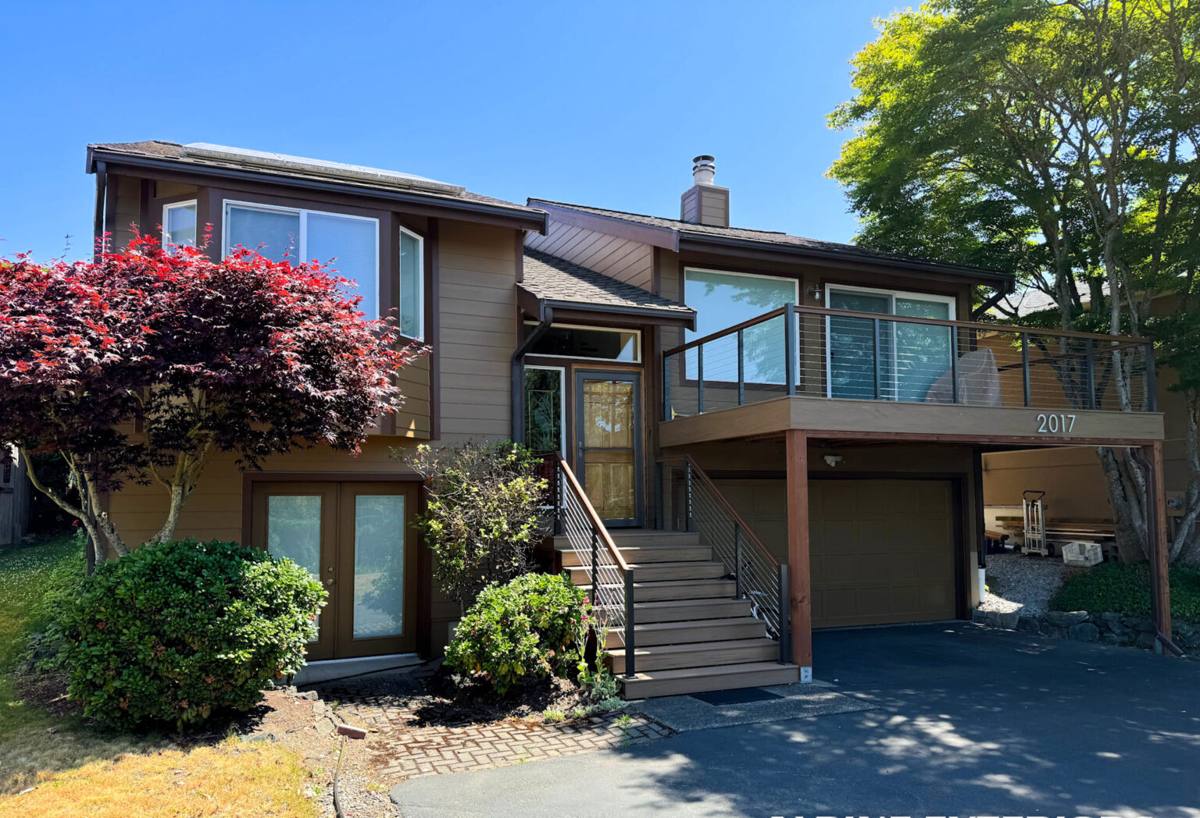
What Blaine Harbor's Climate Does to a Roof
Salt Air Off the Water
A roof at Blaine Harbor is exposed to salt-laden air almost constantly. That salt content accelerates corrosion in exposed fasteners, flashing, and metal trim far faster than it would on a roof set back from the water. Lower-grade nails, staples, and flashing metals that hold up fine inland can start showing rust and early failure within just a few years out here. Every material and fastener choice on a harbor roof needs to account for that corrosion risk from the start — not get upgraded later once problems show up.
Driving Rain With Nothing to Block It
Water frontage means wind has a long, open run at the house before it hits the roofline, and that wind pushes rain sideways instead of letting it fall straight down. Wind-driven rain finds its way into roof systems through exactly the spots a calmer, more sheltered site would never test — lapped shingles, valley transitions, and anywhere flashing meets a wall or chimney. A roof detailed for average rainfall totals alone, without accounting for that sideways force, is the roof that leaks first during the next real storm off the bay.
A Moss and Mildew Season That Doesn't Really End
Mild temperatures, near-constant humidity, and shaded north-facing roof planes combine to give this part of Whatcom County a moss season that runs most of the year, and Blaine Harbor's waterfront setting doesn't shorten it. Moss holds moisture against roofing material long after the rain has stopped, which is exactly the kind of sustained wetness that shortens the life of shingles, fasteners, and the decking underneath. A new roof here needs to be built with that ongoing moisture load in mind, not just sized for a dry-season inspection.
What a Correct New Roof Installation Involves
A new roof is really a system of layers working together, and skipping or under-building any one of them shows up as a leak eventually — sometimes years later, once the damage is already inside the wall or attic. On a harbor property, we don't treat any of these as optional upgrades.
Full Tear-Off, Not an Overlay
We install new roofs over a fully torn-off deck, not over existing layers of old roofing. An overlay traps moisture that may already be sitting in the old material, hides the condition of the decking underneath, and prevents proper nailing and flashing integration for the new layer. On a property this exposed to moisture, starting with a clean, inspected deck is the only way to know what you're actually building on.
Deck Inspection and Repair
Once the old roofing is off, the decking gets inspected for soft spots, rot, or delamination — problems that are common on older roofs near the water where moisture has had years to work its way in around fasteners and flashing. Any compromised decking gets replaced before anything new goes down. Skipping this step is one of the most common ways a brand-new roof ends up with a soft spot within a few years.
Underlayment Built for Wet Climates
We use synthetic or ice-and-water-shield underlayment rated for sustained moisture exposure, with extra coverage at eaves, valleys, and any low-slope transitions where water lingers longest. In a climate where rain is a near-constant presence rather than an occasional event, underlayment isn't a backup layer — it's doing real work most weeks of the year.
Flashing at Every Transition
Flashing at chimneys, vents, skylights, and roof-to-wall transitions is where the large majority of roof leaks actually start, and it's the detail that separates a roof built for wind-driven rain from one that isn't. We lap and seal every penetration and transition correctly rather than relying on caulk to make up for a shortcut in the metal work. On an open, waterfront lot, that detailing has to hold up to rain coming in sideways, not just straight down.
Ventilation That Lets the Roof Dry Out
A roof deck that can't dry out between storms stays damp longer than it should, which speeds up rot, mold, and premature aging of the roofing material from underneath. Correct intake and exhaust ventilation keeps air moving through the attic space so the deck actually gets a chance to dry between the region's frequent wet stretches. This matters more at Blaine Harbor than at an inland property simply because there are fewer dry days in between.
Choosing Roofing Materials for a Harbor-Exposed Home
Every roofing material handles salt air, driving rain, and moss differently, and the right choice depends on the home, the budget, and how much long-term maintenance the homeowner wants to take on.
| Material | Moisture & Moss Behavior | Salt Air Durability | Typical Maintenance |
|---|---|---|---|
| Architectural asphalt shingle | Good when ventilated well; can hold moss without regular cleaning | Solid with corrosion-resistant fasteners and flashing | Periodic moss removal and flashing checks |
| Standing seam metal | Sheds water fast; resists moss buildup on steeper slopes | Strong with a proper coastal-rated finish and fasteners | Low; occasional fastener and seam inspection |
| Wood shake | Absorbs moisture readily; more prone to sustained moss growth | Requires vigilant maintenance in salt air | High; regular treatment and moss control |
| Low-slope membrane (flat/low-pitch sections) | Depends heavily on correct seaming and drainage detailing | Good when properly installed and flashed | Periodic seam and drain inspection |
We'll walk through these trade-offs with a homeowner directly rather than steering everyone toward one product. What matters most is that whatever material goes on gets installed to spec, with fasteners and flashing rated for this climate.
Signs a Blaine Harbor Roof Is Due for Full Replacement
- Granule loss showing up heavily in gutters and downspouts
- Moss returning quickly in valleys or on shaded slopes even after cleaning
- Curling, cracked, or missing shingles, especially on the side facing the water
- Soft spots or visible sagging when walking the roof or viewing the attic deck
- Water staining on interior ceilings near exterior walls after a windy storm
- Flashing that's lifted, rusted, or missing sealant around chimneys, vents, or skylights
- A roof approaching or past the expected lifespan of its material in this climate
Our New Roof Installation Process
- On-site assessment: We inspect the existing roof, decking condition where visible, ventilation, and any current signs of moisture damage before recommending a scope of work.
- Written scope and material selection: We walk through material options and their trade-offs for this specific property, then put together a clear, written scope and timeline before any work begins.
- Full tear-off: Old roofing comes off completely, and the deck gets inspected and repaired as needed.
- Underlayment and flashing installation: Moisture barrier and flashing go in first, with extra attention at every valley, penetration, and wall transition.
- Roofing material installation: The selected material is installed to manufacturer specification, with fasteners and hardware rated for salt-air exposure.
- Ventilation check: Intake and exhaust ventilation are confirmed or corrected so the finished roof can actually dry out between storms.
- Final walkthrough: We review the completed work with the homeowner before calling the job done.
Why a Local Blaine Harbor Crew Matters
A crew that regularly works Blaine Harbor already knows how salt air, open wind, and near-constant moisture behave differently here than they do even a short distance inland. That familiarity shows up in small decisions that matter a great deal over the life of a roof — which fastener grade to use, how much extra underlayment coverage a given valley needs, where ventilation has to be adjusted for a shaded, moss-prone slope. Those aren't judgment calls a crew unfamiliar with this specific waterfront exposure tends to get right on the first try.
It also means faster, more informed troubleshooting if something does come up after installation — a local crew already knows the property, the exposure, and what "normal" looks like for a roof in this setting.
A Simple Checklist Before Hiring for a New Roof at Blaine Harbor
- Confirm they carry current Washington contractor licensing and active liability insurance
- Ask whether the job includes a full tear-off and deck inspection, not an overlay
- Ask how they detail flashing at valleys, chimneys, and roof-to-wall transitions for wind-driven rain
- Ask about fastener and flashing corrosion resistance for salt-air exposure
- Confirm ventilation will be checked or corrected as part of the job, not treated as a separate upsell
- Get a clear, written scope of work and material warranty details before signing anything
Timing a Roof Replacement Around This Climate
Roofing work at Blaine Harbor is weather-dependent in a more literal sense than it is inland — a tear-off leaves a house temporarily exposed, so scheduling around the driest stretches of the year and having a clear weather contingency plan matters more here. We plan installation timing around realistic weather windows and keep the exposed deck protected if conditions shift mid-project, rather than rushing a job to beat a forecast.
If you're weighing whether it's time for a new roof at your Blaine Harbor property, we're happy to come take an honest look and explain what your specific roof actually needs. Reach out below for a free, no-pressure estimate.