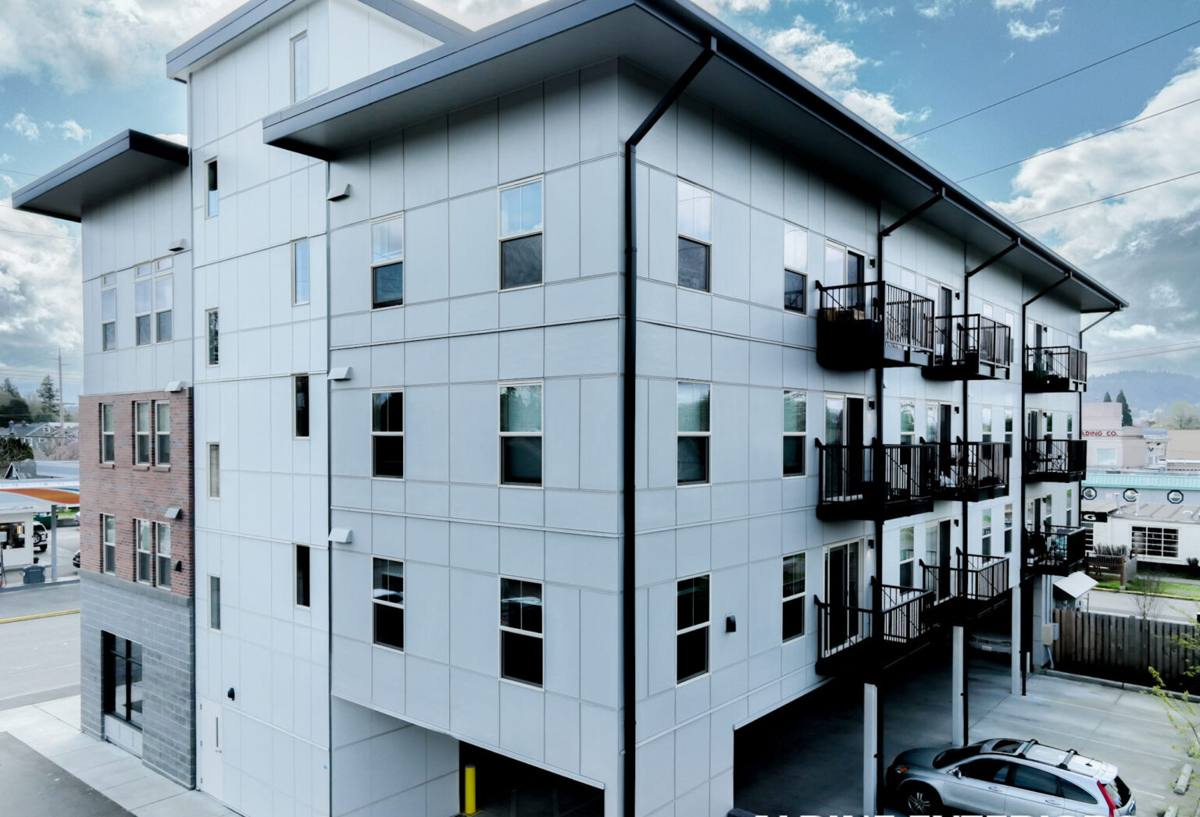
 Semiahmoo Exterior
 Why Windows Take a Beating in Semiahmoo Resort
Homes in Semiahmoo Resort sit about as close to the water as you can build in Whatcom County, with Semiahmoo Bay and Drayton Harbor on either side of the spit. That location is the whole appeal of living there, but it's also hard on windows. Salt-laden air corrodes hardware, fasteners, and unprotected aluminum components faster than it would a few miles inland. Driving rain off the water finds every weak seal and gap in flashing. And the long, damp moss season that defines this part of Washington keeps window sills, tracks, and exterior trim wet for weeks at a stretch, which accelerates rot in wood components and breaks down failing seals even quicker.
None of that means windows here fail faster than everywhere else in a dramatic way — it means the margin for error in material choice and installation detail is smaller. A window that would perform fine for twenty years in a sheltered inland neighborhood may show fogging, corrosion, or air leaks in half that time on an exposed lot near the water if it wasn't installed with this climate in mind.
Signs Your Windows Are Ready for Replacement
Most homeowners don't wake up one day and decide to replace windows — they notice a pattern of small annoyances that add up. In Semiahmoo Resort, the clearest signals tend to be:
- Fogging or a hazy film between the panes of double-pane glass — the seal has failed and the gas fill is gone
- Visible corrosion or white residue on aluminum frames, hinges, or hardware
- Drafts you can feel near the frame on windy days, especially on the west- and water-facing walls
- Wood sills or trim that feel soft, spongy, or show dark staining at the corners
- Windows that stick, won't stay open, or are hard to lock — often a sign the frame has shifted or swollen
- A noticeable jump in heating costs without any other explanation
Any one of these on its own might just need a repair. Several showing up together, especially on the same wall, usually points to the window unit or its installation reaching the end of its useful life.
What a Correct Job Actually Involves
It's Rarely Just the Window
Swapping the glass unit is the easy part. What determines whether a replacement window lasts is what happens around it — the flashing, the sealant, and how water is directed away from the wall assembly. In a coastal, high-rainfall area like this one, we pay close attention to sill pan flashing, proper head flashing above the window, and back-caulking behind the nailing fin so water that gets past the exterior finish still has a path out instead of soaking into the framing.
Old Damage Gets Addressed, Not Covered
When we pull an old window, we're also looking at what's behind it. If there's soft or rotted sheathing, framing, or trim from years of moisture intrusion, that gets repaired before the new window goes in. Installing a new window over damaged framing just hides a problem that will resurface, often faster in this climate than it would elsewhere.
Fit and Level Matter More Than People Think
A window that's slightly out of square will bind, won't seal evenly, and puts uneven stress on the hardware. That stress shows up as premature wear, especially with the added corrosive push from salt air. Careful shimming and squaring during install isn't a cosmetic step — it directly affects how long the window operates smoothly.
Material and Frame Options for a Marine Environment
There's no single "best" window material for every home — the right choice depends on exposure, budget, and how much upkeep you want to take on. Here's how the common options hold up specifically in a salt-air, high-rain setting like Semiahmoo Resort:
| Frame Material | Salt Air / Moisture Behavior | Maintenance | Where It Fits Best |
|---|---|---|---|
| Vinyl | Won't corrode or rot; performs well in coastal exposure | Low — occasional cleaning | Most homes; strong value and durability trade-off |
| Fiberglass | Very stable, resists moisture and doesn't corrode | Low | Homes with direct water exposure or larger window openings |
| Wood (unclad) | Attractive but vulnerable to rot and swelling if not sealed and maintained diligently | High — regular painting/sealing | Homes prioritizing a traditional look, sheltered from direct weather |
| Wood-clad (vinyl or fiberglass exterior) | Exterior face resists moisture well; interior wood keeps traditional look | Moderate | Homes wanting real wood interior trim without full exterior exposure risk |
| Aluminum | Prone to corrosion and pitting in salt air unless heavily treated; conducts cold | Moderate to high | Generally not our first recommendation this close to the water |
We steer most Semiahmoo Resort homeowners toward vinyl or fiberglass for anything on a wall with direct exposure to wind and water, simply because they hold up with the least amount of ongoing care. That's a maintenance and moisture-behavior recommendation, not a knock on any manufacturer — plenty of aluminum and wood windows are made well, they just ask more of the homeowner and the site conditions in a spot like this.
Glass and Energy Performance in a Pacific Northwest Climate
Whatcom County doesn't see extreme heat, but it does see persistent damp cold, wind off the water, and long stretches of gray, low-light days. That combination makes a couple of glass features worth prioritizing over ones aimed at hot, sunny climates:
- Low-E coatings tuned for heat retention, keeping interior warmth in during our cool, wet months
- Argon or krypton gas fills between panes to cut down on conductive heat loss
- Warm-edge spacers, which resist condensation better at the glass edge than older metal spacers
- Tight, well-tested air infiltration ratings — the wind coming off Semiahmoo Bay makes a poorly sealed unit noticeable fast
A window with a strong U-factor (heat loss rating) will do more for comfort and heating bills here than one optimized mainly for solar heat gain, which matters more in sunnier regions.
How Our Process Works
1. On-Site Assessment
We walk the exterior with you, look at existing window condition, check for signs of moisture intrusion around openings, and talk through which rooms or walls are the priority.
2. Measuring and Material Selection
Every opening is measured individually — older homes especially can have openings that aren't perfectly consistent. We go over frame material, glass package, and finish options based on that specific wall's exposure.
3. Installation
Old units are removed carefully to limit damage to surrounding siding and trim. Any hidden rot or damage found at that point is flagged and addressed before the new window is set, flashed, and sealed.
4. Final Check and Cleanup
Every window is tested for smooth operation and a proper seal before we consider the job finished, and the site is cleaned up — old units, packaging, and debris hauled off.
Why Hiring a Crew That Already Works This Area Matters
Semiahmoo Resort has its own set of practical considerations that a contractor unfamiliar with the community has to learn on your dime. Many properties are inside an HOA or gated resort community with access rules, parking limitations, or exterior modification guidelines that affect scheduling and even material or color choices. Homes here also range from condos and townhomes to larger single-family lots, each with different access and staging needs for a crew and equipment.
Beyond logistics, a crew that regularly works this stretch of coastline has already seen how salt air and driving rain affect different products and installation methods over time — not in theory, but on homes down the street. That experience shapes which materials we recommend and how we detail flashing and sealant work, rather than applying a generic approach that was designed for a drier, inland climate.
Keeping New Windows Performing Long-Term
A correctly installed window in a coastal setting still benefits from some basic upkeep. A short seasonal routine goes a long way:
- Rinse frames and tracks periodically to clear salt residue, especially after storms
- Clear moss and debris from sills and nearby trim before it holds moisture against the frame
- Check and clean weep holes so water can drain out rather than pool in the frame
- Inspect exterior caulking and sealant once a year and touch up any cracked or separated joints
- Lubricate hardware and hinges annually to keep locks and operation smooth despite the salt air
None of this is heavy maintenance — it's the kind of light seasonal care that keeps a well-installed window performing the way it should for its full service life.
Get a Straight Answer About Your Windows
If you're noticing drafts, fogged glass, sticking sashes, or just want a second opinion on windows that might still have some life left in them, we're happy to take a look. Reach out for a free, no-pressure estimate — we'll tell you honestly what we see, what we'd recommend for your specific exposure on the property, and what it would cost, using the form below.