 Semiahmoo Exterior
 Building New in Laurel Means Getting Windows Right the First Time
When you're building new instead of replacing, you get one real shot at the window installation before siding, trim, and interior finish work cover it up. There's no going back to fix a bad flashing detail once drywall is hung and the exterior is wrapped up. For homes going up in and around Laurel, near Semiahmoo, that first-shot pressure is higher than it is in a lot of inland Washington towns, because this stretch of Whatcom County throws salt-laden air, wind-driven rain, and a long, damp moss season at a house almost year-round.
New-construction window installation is a different job than replacement work, even though homeowners sometimes lump them together. In new construction, windows go in before the weather-resistive barrier and siding are fully closed up, which means the crew is building the water management system for that opening from scratch — not working around decades-old framing or hidden rot. Done right, that's an advantage. Done carelessly, it's the reason a five-year-old house starts showing stains around window corners.
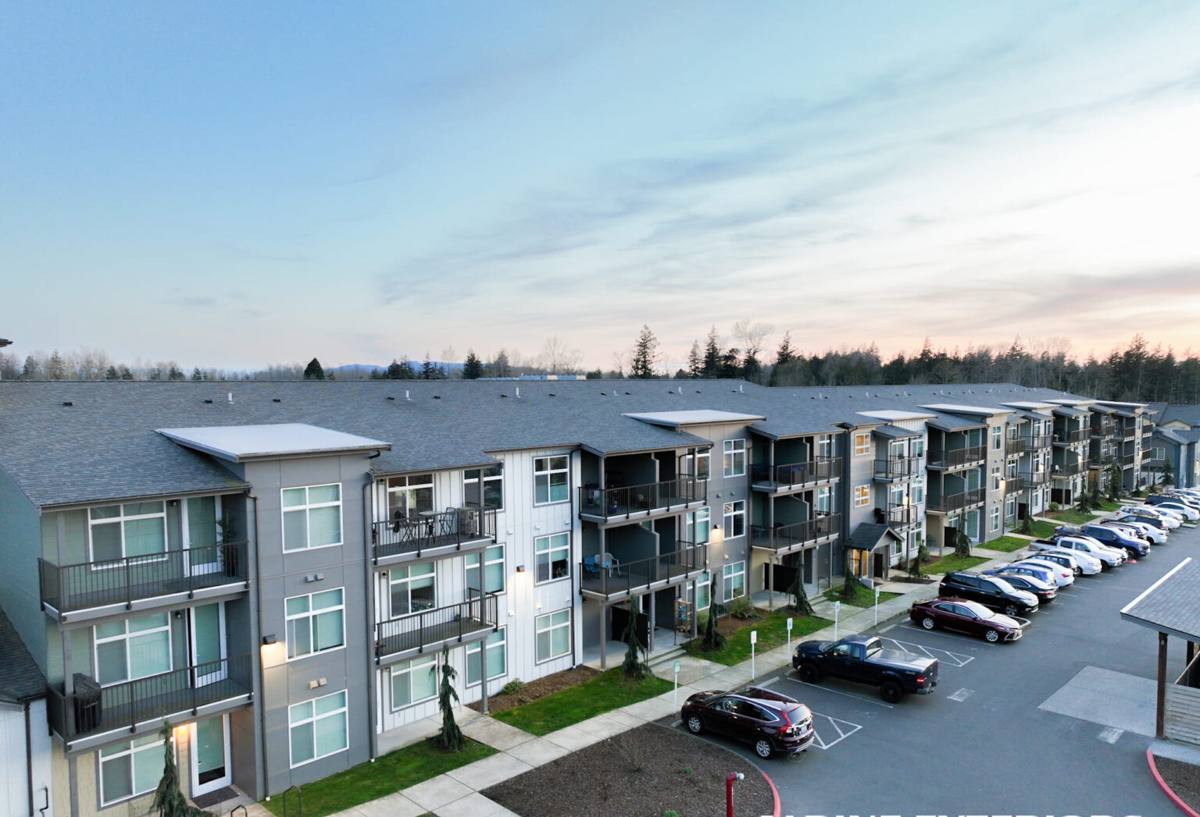
What This Corner of Whatcom County Does to a New Window Install
Semiahmoo sits right on the water, and Laurel isn't far removed from that same marine exposure. A few climate realities shape how we approach every new-construction window job out here:
- Salt air corrosion: Metal fasteners, hardware, and cheaper window components can corrode faster this close to saltwater than they would twenty miles inland. Fastener and flashing material choice matters more here than in a dry-side build.
- Wind-driven rain: Storms off the water don't just fall — they push sideways. A window flashing detail that would pass fine in a low-wind climate can leak here if laps and seals aren't done in the correct order.
- Long moss and mildew season: Extended damp stretches mean any trapped moisture behind trim or under a sill has more time to do damage before anyone notices. Ventilation and drainage details around the window opening aren't optional extras — they're what keeps small issues from becoming rot.
- Temperature swings between marine layer mornings and clearer afternoons: Materials expand and contract, and sealants that aren't rated for this cycling can crack out early.
None of this means new construction here is harder than it should be — it means the sequence and materials have to match the environment, not a generic install checklist written for a different climate.
What a Correct New-Construction Window Install Actually Involves
Flashing Sequence, Not Just Sealant
The single biggest factor in whether a new window stays dry for decades is the flashing sequence around the rough opening — sill pan first, then side flashing, then head flashing, each one lapping over the layer below it so water is shed downward and outward, never trapped behind the next layer. Caulk and sealant support this system; they don't replace it. A window that relies on sealant alone to stay dry will eventually leak, because sealant is the first thing that fails as a building settles and materials age.
Sill Pans and Back Dams
A sloped sill pan with a back dam gives any water that does get past the exterior cladding somewhere to go besides into your framing. This is cheap, simple work when it's done during new construction — and expensive, invasive work to add later if it's skipped now.
Fastening Method Matched to Window Type
Nail-fin windows and block-frame windows attach differently, and mixing up the approach — or rushing the fastening schedule — undermines both structural performance and the weather seal. We match fastening to manufacturer specs and to what the wall assembly actually calls for on that specific house.
Rough Opening Sizing and Shimming
Openings that are cut too tight or too loose force the window out of square, which stresses the frame, binds the sash, and creates uneven gaps that are hard to seal properly. Correct shimming keeps the unit square and lets it perform the way it was engineered to.
Choosing Windows for a New Build in This Climate
Material choice matters more for new construction than for a one-off replacement, because you're deciding what this house lives with for the next 20-40 years. Here's how the common options stack up for a marine-influenced build like Laurel's:
| Frame Material | Salt Air / Moisture Behavior | Maintenance | Typical Fit for New Construction Here |
|---|---|---|---|
| Vinyl | Won't corrode or rot; performs well in coastal moisture | Low — occasional cleaning | Strong value option, wide availability, good for most new builds |
| Fiberglass | Very stable in temperature swings and moisture; resists warping | Low | Good upgrade where dimensional stability and longevity are priorities |
| Wood-clad (exterior-clad, wood interior) | Good if cladding and flashing are done correctly; exposed end grain is the risk point | Moderate — cladding needs correct detailing at joints | Works well for a specific look, but installation quality matters more here than with vinyl or fiberglass |
| Aluminum | Prone to corrosion in salt air unless properly finished; conducts cold | Higher upkeep near saltwater | Generally not our first recommendation for direct coastal exposure |
We don't push one brand or material on every job. The right call depends on the home's design, the builder's spec, and the owner's priorities around cost, maintenance, and appearance. What we won't do is install a product in a way that ignores how it's rated to perform in this specific climate — that's a standard we hold regardless of what's on the invoice.
How We Work New-Construction Window Jobs Near Semiahmoo
- Plan review: We look at the window schedule, rough opening sizes, and wall assembly details before the first opening is framed, so surprises get caught on paper instead of on-site.
- Coordination with the builder or GC: New-construction windows go in on a schedule set by framing, weather barrier, and siding crews. We show up when the opening is ready and finish before the next trade needs access.
- Install to sequence: Sill pan, side flashing, window set and shimmed square, head flashing, then integration with the weather-resistive barrier — in that order, every time.
- Sealant and finish work: Interior and exterior sealing sized and rated for this climate's moisture and temperature cycling.
- Final check: Every unit gets checked for square, smooth operation, and a properly lapped, watertight exterior before we consider the opening closed out.
Mistakes We See on New Builds in This Area
Most window failures we get called to look at on newer homes trace back to a handful of repeatable mistakes:
- Flashing installed out of sequence, so water gets directed behind a layer instead of over it
- Sealant used to bridge a gap that should have been closed with proper flashing or shimming
- Rough openings cut oversized "to make the window fit easier," leaving the unit under-supported
- Skipping a sill pan because the opening "looked fine" without one
- Fastener types that aren't suited to a salt-air environment, leading to early corrosion at attachment points
Every one of these is avoidable, and none of them cost meaningfully more to do correctly during new construction — the cost only shows up later, as a repair, if they're skipped now.
What New Homeowners in Laurel Should Watch After Move-In
A correctly installed new-construction window shouldn't need much attention, but it's worth knowing what normal upkeep looks like versus a warning sign:
- Clean weep holes and tracks periodically — moss and debris buildup is common in this climate and can block drainage paths if ignored
- Check exterior sealant joints once a year for cracking or separation, especially after the first full winter as the house settles
- Watch for staining or soft trim at corners, which can signal a flashing issue worth catching early
- Operate every window and door at least seasonally so hardware doesn't seize from disuse
- Keep gutters and downspouts clear so roof runoff isn't dumping extra water near window heads
Why a Crew That Already Works This Area Is Worth Choosing
New-construction window installation isn't exotic work, but doing it well in a marine climate takes judgment that's hard to get from a crew that mostly works dry-side jobs. Knowing how far wind-driven rain travels up a wall on an exposed elevation, which fastener finishes hold up near saltwater, and how long moss season actually runs in Whatcom County isn't something you learn from a spec sheet — it's something you learn by installing windows on homes that face the same weather year after year. That's the experience a local crew brings to a Laurel build that an out-of-area installer, however skilled, has to learn on your house instead of the last one.
If you're building new in Laurel or elsewhere near Semiahmoo and want a straight answer on what your window install will actually take, we're glad to walk the plans with you and put together a free, no-pressure estimate — just fill out the form below.