 Semiahmoo Exterior
 Window Installation Built for Sumas' Wet, Mossy Climate
Sumas sits in the Nooksack River valley in Whatcom County, a few minutes from the Canadian border and a different kind of weather exposure than the coastal parts of our service area. The air here holds a lot of moisture for a lot of the year — fog settles into the valley, rain comes in long soaking stretches rather than short bursts, and north siding stays damp and shaded long enough to grow moss on more than just the roof. Windows are one of the first places that moisture problem shows up, whether it's condensation between panes, a soft spot in the sill, or a sash that swells shut every winter.
This page covers window installation specifically for homes in and around Sumas — what the local climate demands, what a correct installation actually involves, and why it's worth hiring a crew that already knows how this part of Whatcom County behaves rather than one working from a generic playbook.
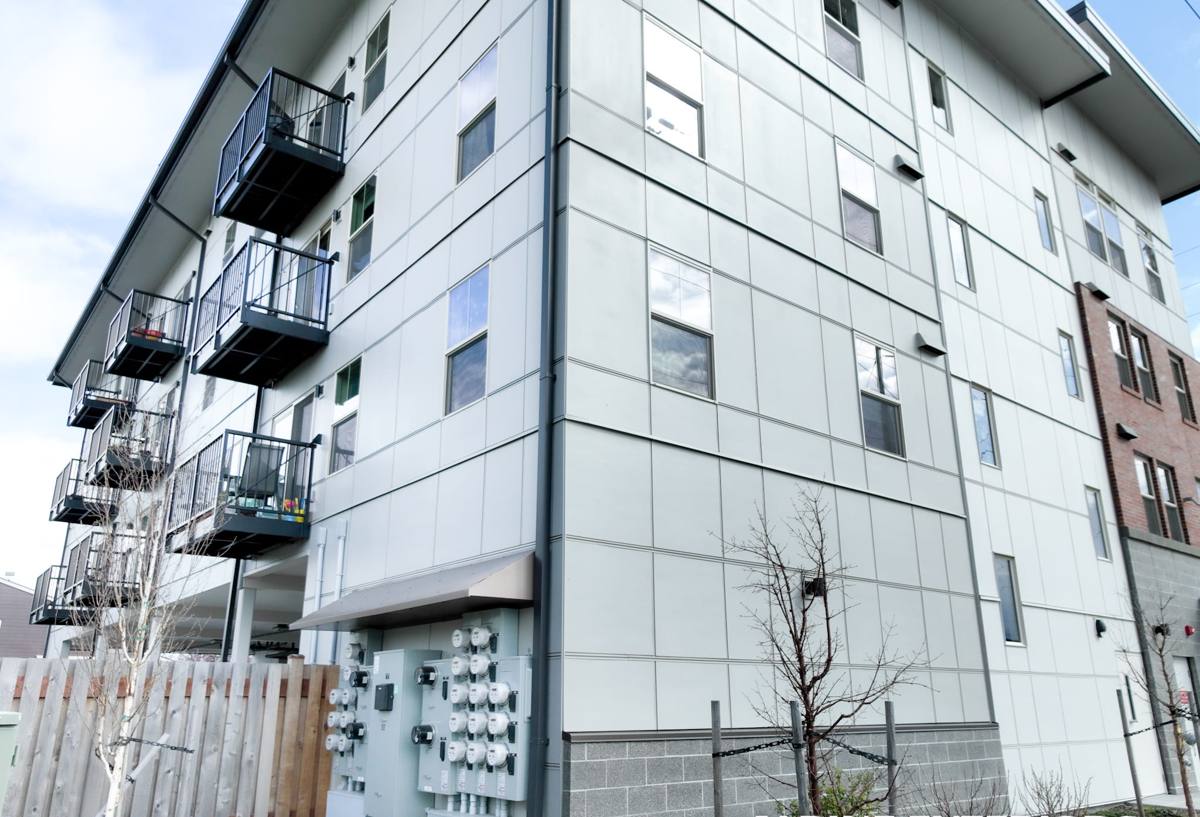
What Whatcom County Weather Does to Windows Over Time
Moisture and Valley Fog
Because Sumas sits low in the Nooksack valley, humidity lingers longer here than it does up on higher ground. That constant damp works into wood frames, behind vinyl trim, and around flashing that wasn't detailed correctly the first time. Once water gets past the exterior surface of a window and into the framing, it doesn't dry out quickly — it sits there through an entire wet season, and that's when rot, mold, and swollen sashes start.
Moss, Mildew, and UV Cycling
Moss doesn't just grow on roofs. On north- and east-facing walls that stay shaded and damp for months, it creeps onto sills, tracks, and trim, holding moisture against the window even on drier days. Add in the UV exposure the region does get during summer breaks in the weather, and you get a cycle of expansion, contraction, and moisture intrusion that older or poorly installed windows simply weren't built to handle for decades on end.
Signs a Sumas Home Needs New Windows
A lot of window problems get blamed on "old glass" when the real issue is the installation or the frame material. Here's what we actually look for during an inspection:
- Fogging or a visible haze between panes of double-pane glass — a sign the seal has failed
- Sashes that stick, won't stay open, or are hard to lock — often frame swelling from moisture
- Soft, spongy, or discolored wood at the sill or lower corners of the frame
- Visible moss, mildew, or dark streaking on the sill, track, or exterior trim
- Cold drafts near the window even with it fully closed and locked
- Peeling paint or caulk pulling away from the frame — usually a moisture or movement issue underneath
- Noticeably higher heating bills in a home whose windows haven't been updated in 20+ years
Any one of these on its own might just need a repair. Several of them together, especially on the same wall, usually points to a bigger moisture or installation problem that a new window with correct flashing will actually solve.
What a Correct Installation Actually Involves
Window installation looks simple from the outside — old window out, new window in — but most of the failures we get called out to fix trace back to shortcuts taken in a few specific steps.
Removal and Opening Prep
We remove the old unit carefully and inspect the rough opening before anything new goes in. This is the point where hidden rot, old flashing tape, or framing that's out of square gets found and dealt with — not covered up and installed over, which is one of the most common mistakes in this trade.
Flashing and the Moisture Barrier
This is the single most important step for a home in this climate. Flashing has to be layered correctly — sill pan first, then side flashing, then the window itself integrated with the house wrap so water sheds outward and down, never behind the siding. Get this wrong and you won't see a problem for a year or two, which is exactly why it's so often done poorly and blamed on something else later.
Insulation, Air Sealing, and Fastening
The gap around a new window frame needs to be insulated and air-sealed without overpacking it, which can bow the frame and cause operating problems. Fasteners go in at the manufacturer's specified points and spacing — not "close enough" — so the window stays square and seals properly for its full service life.
Trim, Caulking, and Finish Work
Exterior caulking is a wear item, not a one-time fix, but it has to be applied correctly at installation with the right product for the surface. Interior trim gets reset cleanly, and we walk the whole opening for gaps or reflections of a bad seal before we call the job done.
Choosing Window Materials for This Climate
Material choice matters more here than in a dry climate, because whatever you pick is going to deal with sustained moisture, temperature swings, and shaded, moss-prone exposures for years. There's no single "best" answer — it depends on the home, the budget, and which trade-offs you're willing to live with.
| Material | Moisture Behavior | Maintenance | Typical Fit |
|---|---|---|---|
| Vinyl | Won't rot; expands/contracts with temperature | Low — occasional cleaning | Most Sumas homes, best value |
| Fiberglass | Very stable, minimal expansion; excellent moisture resistance | Low | Homes prioritizing longevity over upfront cost |
| Wood-clad | Good if the exterior cladding stays sealed; interior wood is vulnerable if that fails | Higher — exterior finish needs monitoring | Homeowners who want a wood interior look |
| Aluminum | Durable but conducts cold and can condense in this climate | Moderate | Less common choice here for that reason |
For most homes in the Sumas area, we steer people toward vinyl or fiberglass because both hold up against sustained moisture without the ongoing exterior maintenance that wood-clad requires. We'll still install wood-clad windows when that's the look a homeowner wants — it just comes with a maintenance conversation up front, not a surprise five years later.
Our Installation Process
- On-site assessment — we measure openings, check framing condition, and look at drainage and exposure on each wall before recommending anything
- Material and quote walkthrough — honest options at a few price points, explained in plain terms, no pressure to upgrade past what the home actually needs
- Scheduling around the weather — we plan installs for dry windows in the forecast whenever possible, since an open wall in a Nooksack valley downpour is exactly what you don't want
- Removal and opening inspection — old units come out, and any hidden rot or flashing issues get addressed before the new window goes in, not after
- Installation, flashing, and sealing — done to manufacturer spec, with the sill pan and flashing sequence that actually keeps water out long-term
- Interior and exterior finish — trim reset, caulking applied correctly, and the opening cleaned up
- Final walkthrough — we operate every window with you, point out anything you should know for maintenance, and answer questions before we leave
What Affects the Cost of Window Installation in Sumas
Window pricing varies enough by home and material that a flat number isn't honest. These are the factors that actually move the price:
| Factor | Why It Matters |
|---|---|
| Window material | Vinyl is typically the most affordable; fiberglass and wood-clad cost more up front |
| Number of openings | Whole-house replacements bring a lower per-window cost than one-off jobs |
| Frame condition | Rot or damaged framing found during removal adds repair work before the new window goes in |
| Window size and type | Standard double-hung costs less than large picture windows, bays, or custom shapes |
| Access and second-story work | Upper-floor windows take more time and equipment than ground-floor replacements |
| Energy performance glass | Better-rated glass packages cost more but pay back over time in a home that already runs damp and cold in winter |
We give real numbers during the in-home estimate once we've actually looked at your windows and openings — not a phone quote based on guesswork.
Why Hire a Crew That Already Works in Sumas
Flashing details, drainage planes, and moisture management aren't theoretical here — they're the difference between a window that lasts twenty-plus years and one that needs rework in five. A crew that regularly works homes in this part of Whatcom County has already seen how local framing ages, where moss and moisture tend to concentrate on this valley's typical house orientations, and how to schedule around weather that doesn't always cooperate. That's not something you get from a crew that mostly installs in drier climates and treats every job the same.
It also matters for accountability. We're not driving in from out of the area for one job and disappearing — if a seal needs attention or a question comes up two years later, we're still working in Sumas and the surrounding communities.
Caring for New Windows After Installation
A correct installation does most of the work, but a little upkeep extends the life of any window in this climate:
- Rinse sills and tracks a couple times a year to clear moss spores and debris before they take hold
- Check exterior caulking annually, especially after a hard winter, and touch up any cracking
- Keep gutters and downspouts clear so runoff isn't sheeting down over window heads
- Operate every window a few times through the year, even ones you rarely open, so hardware and seals don't seize up
If you're dealing with drafty, foggy, or sticking windows in Sumas, or you're planning ahead for a full replacement, we're happy to take a look. The estimate is free, there's no pressure, and you'll get a straight answer about what your home actually needs — use the form below to get started.