 Semiahmoo Exterior
 Windows in Laurel Face a Different Job Than Windows Inland
Laurel sits close enough to the water that salt air is a daily fact of life, not an occasional nuisance. Add Whatcom County's long wet season, driving rain off the Strait, and the moss and mildew that come with months of shade and moisture, and you've got a set of conditions that will find every weak point in a window installation. Not the window itself — the installation. Most window failures we get called out for in this neighborhood aren't the glass or the frame giving out. They're flashing that was never lapped correctly, sealant that was asked to do a job it was never designed for, or a rough opening that wasn't properly prepped before the new unit went in.
That distinction matters because it changes what you should actually be paying for. A window is a product. An installation is a system — flashing, house wrap integration, sealant, shimming, and fastening all working together to keep water moving out and away from the wall assembly. In Laurel, that system has to hold up against salt-laden moisture that corrodes fasteners and hardware faster than it would twenty miles inland, plus sustained wind-driven rain that pushes water sideways and upward, not just straight down.
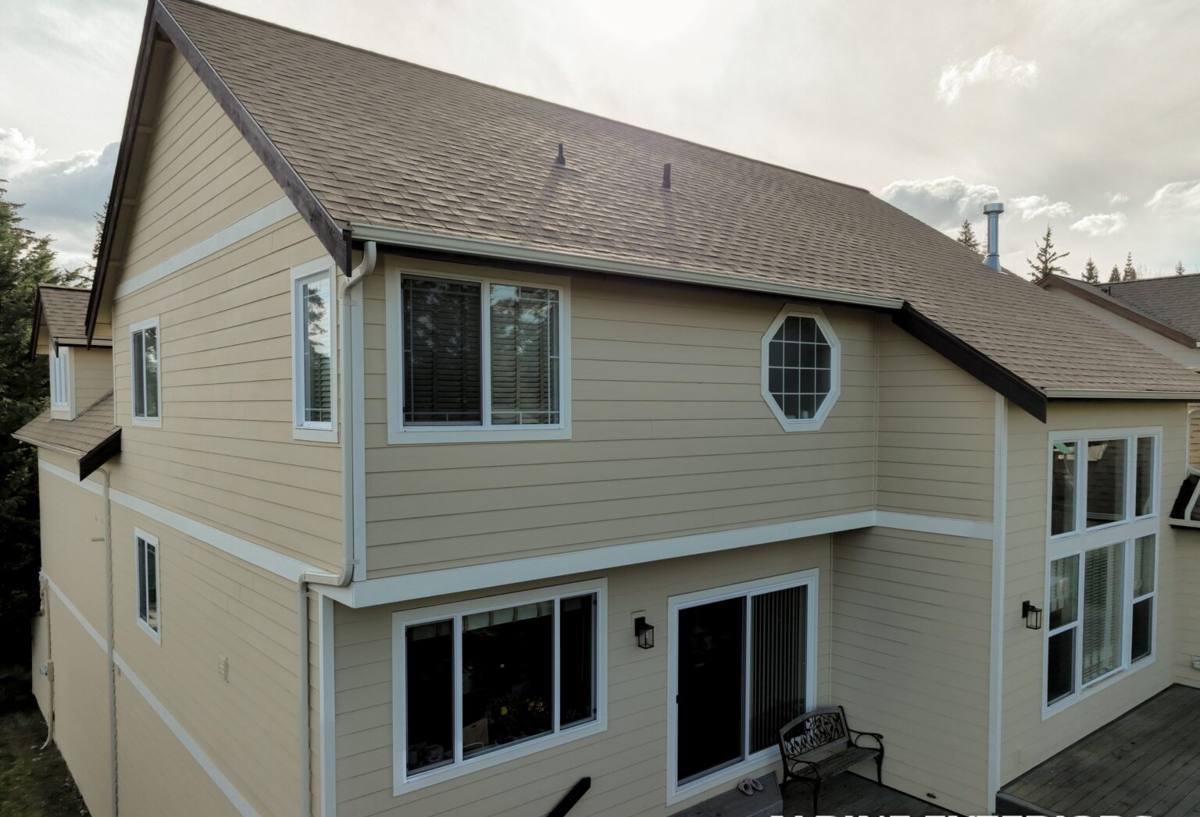
What Laurel's Climate Actually Does to Windows
Salt Air and Corrosion
Salt in the air accelerates corrosion on anything metal — screws, hinges, balance systems, and cheaper cladding. Over years, this shows up as pitted hardware, stiff or failing operation, and staining around fasteners. It's not dramatic, it's slow, which is exactly why it gets ignored until a window won't latch properly or a frame starts to show rust bleed.
Driving Rain
Rain that comes in sideways off the water doesn't behave like a gentle inland shower. It gets pushed into every gap, lap, and seam under pressure. A window installed with the assumption that water only falls straight down will eventually leak, usually at the bottom corners of the frame or wherever flashing laps were reversed.
Moss and Prolonged Dampness
A long moss season means extended periods where wood trim, siding, and window sills stay damp longer than they should. That moisture dwell time is what actually causes rot — not a single storm, but weeks of surfaces that never fully dry out. Sills and trim around windows are especially exposed because they're horizontal surfaces that catch and hold water.
What a Correct Window Installation Involves Here
A proper installation in this environment isn't more complicated than a standard one, but it leaves no room for shortcuts. Here's what we consider non-negotiable on every Laurel job:
- Full removal of the old unit and inspection of the rough opening for hidden rot before anything new goes in
- Any soft or water-damaged framing repaired or replaced, not covered over
- Self-adhered flashing membrane at the sill, integrated with the house wrap in proper shingle-lap order — sill first, then jambs, then head
- Back dam or sloped sill pan detail so water is directed outward, not toward the interior
- Correct sealant placement — sealed where it should stop water, left open where the window needs to weep and drain
- Proper shimming so the frame isn't relying on fasteners alone to stay square and true
- Corrosion-resistant fasteners and hardware suited to a coastal-influenced environment
- Final bead and trim work that sheds water rather than trapping it against wood
Skip any one of these steps and the window may look fine for a year or two before a problem shows up — usually as a soft spot in the interior sill or a stain on the wall below the window, by which point the fix is bigger than it needed to be.
Our Process for Laurel Jobs
1. On-Site Assessment
We look at each window individually — not every opening on a house needs the same scope of work. Some may need full replacement, others just better flashing and sealant during a re-install. We also check the surrounding trim and siding for signs of the moisture dwell time typical of this area's moss season.
2. Honest Scope and Pricing
We tell you what we find, including anything we can't see until the old window comes out. Rough opening damage is the most common surprise, and we'd rather flag that as a possibility upfront than spring it on you mid-job.
3. Removal and Prep
Old units come out carefully to protect interior finishes and siding. Any rot or soft framing gets addressed before a new window ever goes near the opening.
4. Flashing and Installation
This is where most of the long-term performance is decided. We follow proper shingle-lap sequencing so water always moves down and out, never behind a layer that's supposed to be protecting the wall.
5. Sealant, Trim, and Cleanup
Final sealant is placed with intention — sealing what needs to be sealed, leaving weep paths open. Trim is reset or replaced as needed, and the site is cleaned up before we leave.
Cost Factors for Laurel Window Installations
Every house is different, and we won't quote a number without seeing the openings, but these are the variables that actually move the price on jobs in this area:
| Factor | Why It Matters Here |
|---|---|
| Rough opening condition | Hidden rot from prolonged dampness is common and adds repair time before install |
| Window count and size | Larger or picture windows require more careful handling and flashing detail |
| Frame material | Vinyl, fiberglass, and wood-clad each have different price points and maintenance needs in a salt-air setting |
| Existing siding type | Fiber cement, lap siding, and stucco each require different flashing integration approaches |
| Access and story height | Second-story or hard-to-reach openings take more setup time |
| Trim and sill repair | Rotted sills or trim boards add material and labor beyond the window itself |
Frame Materials Worth Weighing in This Environment
We install a range of quality window products and don't push one brand over another. What we do steer homeowners toward, based on years of dealing with this coastline's conditions, is frame and hardware material suited to salt air and sustained moisture. Vinyl and fiberglass frames generally hold up well with minimal maintenance. Wood-clad windows can look great but demand more upkeep — regular inspection of the cladding seams and finish — to keep moisture from working its way in over time. That's not a knock on wood-clad products; it's a maintenance reality we want you to know about before you choose, not after.
Hardware matters too. Stainless or corrosion-resistant fasteners and balance hardware cost a little more upfront but avoid the pitting and stiffness that standard hardware develops after a few seasons of salt exposure.
Why Local Installation Experience Matters in Laurel
A crew that mostly works drier, inland jobs can install a window that's technically fine and still have it leak within a few years here, simply because they didn't over-build the flashing detail for driving rain, or didn't think about how long a sill stays wet during moss season. Working this stretch of Whatcom County regularly means we've seen where these installations tend to fail, and we build past those weak points as a matter of habit, not as an upsell.
It also means we're familiar with the range of siding and trim conditions common to homes in and around Semiahmoo — what's original construction, what's been re-sided, and where moisture problems tend to hide. That familiarity shortens the assessment and keeps surprises to a minimum.
Signs Your Laurel Home May Need Window Installation Work
- Visible corrosion, pitting, or rust bleed on hardware or frames
- Windows that stick, won't latch fully, or feel loose in the opening
- Soft or discolored trim and sill areas, especially after wet weeks
- Fogging between panes, indicating a failed seal
- Drafts or noticeable air movement around the frame during storms
- Visible gaps in old caulk or sealant that's cracked or pulled away
If you're seeing any of these, it's worth getting a look before the next wet season rather than after damage has spread into the surrounding wall.
Get a Straight Answer on Your Windows
If you're in Laurel and dealing with aging, drafty, or failing windows, we're happy to come take a look and give you an honest read on what's going on and what it would take to fix it right. There's no pressure and no obligation — just a clear assessment from a crew that knows what this area's salt air, rain, and moss season actually do to a window installation over time. Fill out the form below to schedule a free estimate.