 Semiahmoo Exterior
 Window Installation Built for the Peace Arch Area
Homes in the Peace Arch area near Semiahmoo sit close to the water, which means windows here work harder than windows almost anywhere else in Whatcom County. Salt-laden air off the Strait of Georgia, wind-driven rain that comes at the glass sideways instead of straight down, and a wet season that stretches on long enough to grow moss on north-facing trim all add up to conditions that punish a mediocre installation. A window that would last two decades in a drier inland climate can start failing in half that time here if it wasn't installed with this specific environment in mind.
This page covers what window installation actually involves for homes in this area, what "correct" looks like when the crew doing the work understands local conditions, and why that local knowledge matters more here than in most parts of the country.
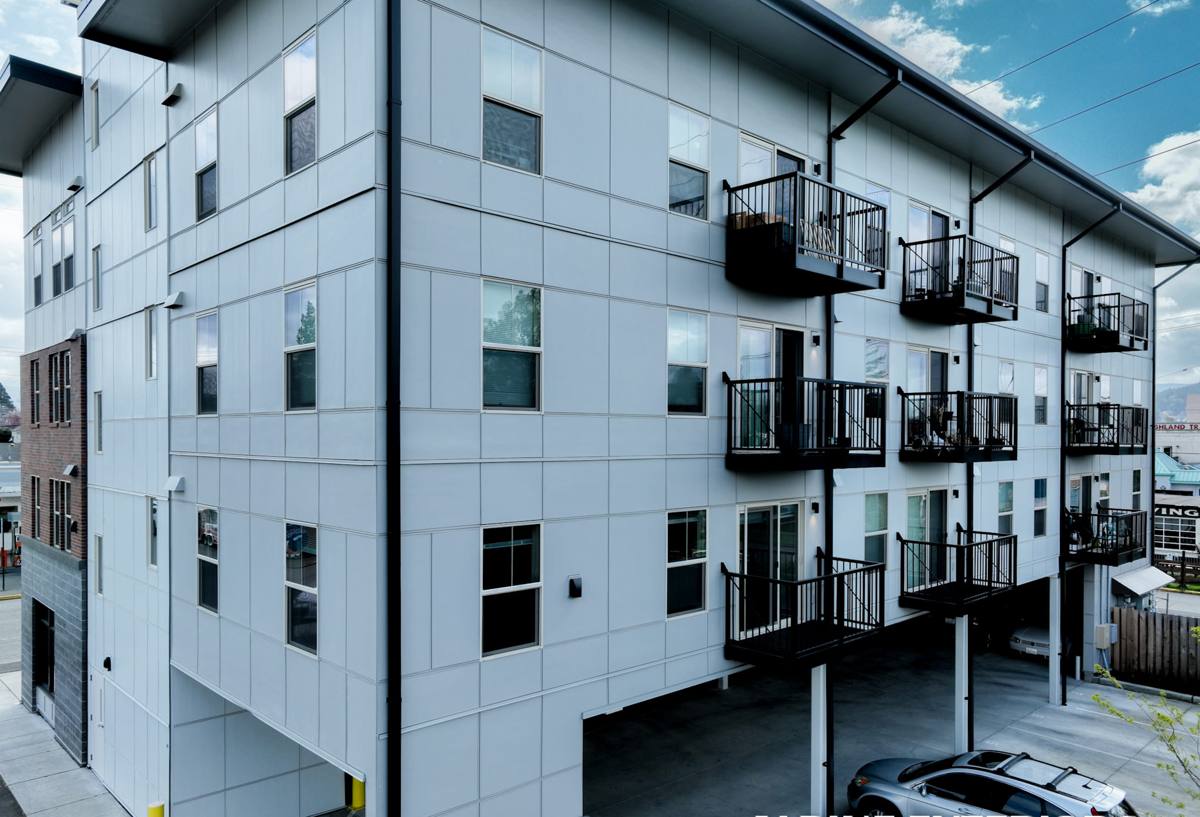
What Salt Air, Driving Rain, and Moss Season Do to Windows
Salt Air and Metal Components
Proximity to saltwater accelerates corrosion on anything metal — window hardware, screen frames, and especially older aluminum sashes. Salt-laden air finds its way into hinges, cranks, and locking mechanisms, and once corrosion starts on hardware it's rarely a simple fix. It also degrades certain sealants and finishes faster than manufacturers' standard warranty testing accounts for, since that testing is usually done for a generic climate, not a coastal one.
Wind-Driven Rain
Rain that's pushed sideways by wind behaves very differently than rain falling straight down. It gets forced up and under trim, into gaps that would stay dry in calmer conditions, and against parts of the window assembly that weren't designed to shed water horizontally. This is why flashing details and drainage paths matter so much more here than in a sheltered inland lot — a window that's "watertight enough" for normal rain can still leak under sustained wind-driven storms.
Moss and Prolonged Moisture
The long wet season in this part of Washington keeps wood trim, siding, and sills damp for extended stretches, which is exactly the environment moss and mildew need to take hold. Moss holds moisture against the surface it grows on, and around a window that means prolonged contact with framing and trim that should otherwise get a chance to dry out between rains. Left unaddressed, that constant dampness is one of the more common paths to hidden rot around older window openings.
Signs Your Current Windows Are Losing the Fight
Before jumping to full replacement, it helps to know what failure actually looks like in this climate. Some of the most common signs we see on homes in this area:
- Soft or discolored trim or sill wood, especially on the sides of the house that face prevailing wind and rain
- Fogging or moisture between panes on double- or triple-glazed units — a sign the seal has failed
- Visible corrosion or stiffness in cranks, hinges, or locks
- Moss or dark streaking on trim or siding directly below or beside a window
- Drafts or a noticeable temperature difference near the window on windy days
- Paint or caulk that's cracked, peeling, or pulling away from the frame
- Difficulty opening, closing, or fully latching the window
Any one of these on its own might just need a repair. Several together, especially on an older window, usually point to a failing installation or a window nearing the end of its service life.
What a Correct Window Installation Actually Involves
Window installation is often treated as a straightforward swap — old window out, new window in. In this climate, that shortcut is where most of the long-term problems start. A correct installation is really a water-management job with a window in the middle of it.
Flashing and Water Diversion
Proper flashing directs any water that gets past the exterior cladding down and out, away from the framing, rather than letting it pool or wick inward. This includes flashing tape or membrane at the head, jambs, and sill, layered so each piece overlaps the one below it — never the reverse. Skipping or shortcutting this step is invisible from the outside and can take years to show up as a problem, which is exactly why it's tempting to skip.
Sill Pan and Drainage Path
A sloped sill pan under the window gives any water that does get in a clear path back outside instead of sitting against the framing. In a climate with this much sustained rain, a missing or poorly sloped sill pan is one of the most common root causes of hidden rot we find when we open up an old window opening.
Air Sealing and Insulation
The gap between the window frame and the rough opening needs to be sealed and insulated correctly — not stuffed with excess spray foam, which can bow the frame and cause it to bind, and not left with gaps, which cause drafts and let humid outside air condense inside the wall cavity. Low-expansion foam or backer rod and sealant, applied correctly, keeps the assembly both airtight and structurally sound.
Fastening and Frame Alignment
The window has to be shimmed level, plumb, and square before it's fastened, and fastened in a way that doesn't distort the frame. A slightly out-of-square window won't seal or operate properly even if every other step was done right — hardware will bind, and gaps will open unevenly over time.
Choosing Window Materials for Coastal Whatcom County Conditions
Frame material matters more here than in a drier, inland climate. The table below covers general trade-offs — not a recommendation of one brand over another, but a honest look at how common frame materials tend to perform under salt air and sustained moisture.
| Frame Material | Salt Air / Corrosion | Moisture Behavior | Maintenance |
|---|---|---|---|
| Vinyl | Not affected by corrosion; UV can cause brittleness over decades | Doesn't absorb moisture; seams need good installation to stay watertight | Low — occasional cleaning |
| Fiberglass | Highly resistant to corrosion | Dimensionally stable, minimal expansion/contraction with moisture and temperature | Low |
| Aluminum | Prone to corrosion near saltwater unless marine-grade and well finished | Conducts heat and cold; can contribute to condensation | Moderate — hardware and finish need attention |
| Wood / Wood-Clad | Cladding protects wood, but any breach exposes it to rot risk | Requires an intact exterior seal to keep moisture out of the wood core | Higher — finish and seals need periodic inspection |
We'll talk through these trade-offs against your home's exposure, budget, and the look you're going for — the right choice depends on which side of the house the window is on and how much weather it actually takes.
How Our Process Works
- On-site assessment. We look at the existing window, the condition of the framing and trim around it, and how exposed that particular wall is to wind and rain.
- Honest recommendation. We tell you what actually needs replacing versus what can be repaired, and walk through material and glass options suited to that specific location on your home.
- Removal and inspection. Once the old window is out, we check the framing underneath for hidden moisture damage before anything new goes in — this is often where problems from the old installation surface.
- Flashing, sill pan, and installation. New window is set plumb, level, and square, with flashing and drainage detailed for this climate, not a generic checklist.
- Air sealing and interior/exterior finish. Insulation, sealant, and trim work are completed so the opening is both airtight and weathertight.
- Walkthrough. We show you the operation of the new window and explain any maintenance specific to the material you chose.
What Affects the Cost of a Window Installation
We're not going to throw out a number that doesn't mean anything without seeing the job — every home and every window opening is different. But these are the main factors that move the price up or down:
| Factor | Why It Matters |
|---|---|
| Frame material | Vinyl, fiberglass, and wood-clad windows carry different material costs |
| Window size and configuration | Larger units, custom shapes, and multi-panel assemblies take more material and labor |
| Condition of the existing opening | Hidden rot or damaged framing found during removal adds repair work before the new window can go in |
| Number of windows | Doing multiple windows in one visit is more efficient than one-off replacements |
| Access and wall height | Second-story or hard-to-access windows take more time and equipment |
| Glass package | Upgraded low-E coatings or gas fills add cost but improve performance |
Maintaining Windows in a Salt Air and Moss Environment
Even a correctly installed window benefits from a bit of seasonal attention in this climate. A short annual routine goes a long way toward protecting the investment:
- Rinse salt residue off frames and hardware, especially on sides of the house facing the water or prevailing wind
- Clear moss and debris from window sills, trim, and adjacent gutters before it holds moisture against the wood
- Check and lightly lubricate hardware — cranks, hinges, locks — once a year
- Inspect exterior caulking for cracks or gaps and re-seal as needed
- Look for early signs of trim discoloration or softness and address it before it spreads
- Keep vegetation trimmed back from windows so airflow can help surfaces dry between rains
Why a Crew That Already Works This Area Matters
Window installation isn't a one-size-fits-all trade. A crew that mostly works drier, inland areas may do fine work in general but won't automatically think in terms of wind-driven rain exposure, salt air corrosion, or the specific rot patterns that show up in homes near Semiahmoo. A crew that's already spent time on windows in this area has seen what actually goes wrong here — which sides of a house take the worst weather, what framing conditions are common in older Whatcom County homes, and which installation shortcuts cause problems five years down the road instead of showing up right away.
That local pattern recognition doesn't replace good workmanship, but it does mean fewer surprises, fewer callbacks, and a job that's built for the conditions it will actually face — not for a generic climate on a spec sheet.
Get a Free, No-Pressure Estimate
If your windows near Peace Arch or Semiahmoo are showing signs of wear, or you're planning ahead for a replacement, we're happy to take a look and give you an honest read on what your home actually needs. Fill out the form below for a free estimate — no pressure, no obligation.