 Semiahmoo Exterior
 Why Peace Arch Siding Wears Differently Than Siding Inland
Homes in and around Peace Arch sit close enough to Semiahmoo Bay that salt-laden air is a daily fact of life, not an occasional weather event. Add Whatcom County's long, wet winters and the moss season that follows, and you have a siding environment that's genuinely harder on a home's exterior than what you'd find twenty miles inland. Salt air accelerates corrosion on fasteners and metal flashing, driving rain off the water finds every gap in a weather barrier, and shaded, damp wall sections grow moss and mildew faster than most manufacturers' warranty language accounts for.
This isn't a reason to panic about your siding — it's a reason to be specific about what "correct installation" means here. A siding job that would hold up fine in a dry inland climate can fail early in Peace Arch if the crew doesn't plan for moisture load, salt exposure, and the shade patterns common on this stretch of coastline.
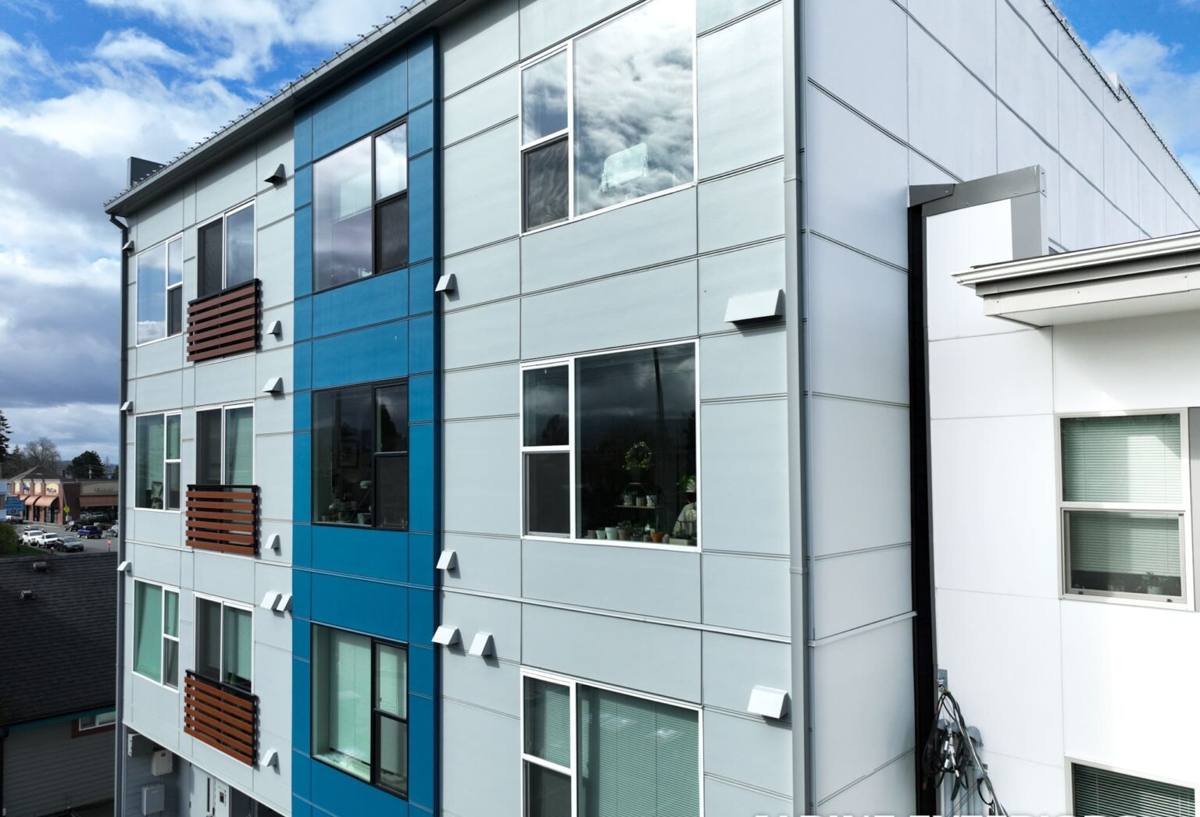
What Peace Arch Homes Actually Need From a Siding System
Moisture Management Comes First
Driving rain off Semiahmoo Bay doesn't just wet a wall — it drives water sideways and upward under normal circumstances. That means the water-resistive barrier behind the siding, the flashing above windows and doors, and the drainage gap behind the siding panels matter more here than the siding material itself. A beautiful new exterior over a poorly detailed moisture plane will trap water against the sheathing and cause rot years before the siding shows any sign of a problem.
Salt-Tolerant Hardware
Standard fasteners and flashing that are fine in drier regions can corrode faster in salt air, leaving streaking, staining, and eventually loosened siding. Corrosion-resistant fasteners and properly lapped, salt-tolerant flashing details aren't optional upgrades here — they're baseline requirements for a job that's supposed to last decades.
A Surface That Doesn't Feed Moss
Moss and mildew need moisture, shade, and a rough or porous surface to take hold. A siding product with a dense, factory-cured finish gives moss less to grip than a porous or field-finished material, and it holds up to periodic cleaning without the surface degrading.
Why We Install Only James Hardie Fiber Cement
We don't install vinyl, LP SmartSide, primed wood, or other fiber cement brands — not because those products can't be installed correctly, but because after years of exterior work in this climate, James Hardie is the one system we're willing to put our name behind here. It's non-combustible, which matters as wildfire smoke and dry-season risk have become more of a regional conversation even in the Pacific Northwest. Its ColorPlus factory finish is baked on under controlled conditions rather than field-applied, which gives it more consistent resistance to fading, chipping, and moss growth than a job-site paint job. And Hardie's HZ5 product line is engineered specifically for climates with heavy moisture exposure — which describes Peace Arch about as well as anywhere in Whatcom County.
We're not going to tell you other products are junk. Vinyl is inexpensive and low-maintenance in dry climates; wood has real appeal if you're committed to the upkeep. What we will say plainly is that in a salt-air, high-moisture environment, we've seen fiber cement outperform the alternatives over the long run, and Hardie's engineered lines and warranty structure are what we're comfortable standing behind on a Peace Arch home.
What a Correct Siding Replacement Job Involves
Tear-Off and Inspection
Old siding comes off in full, not patched over, so we can actually see the sheathing underneath. This is the step that gets skipped by crews trying to save time, and it's the step that determines whether your new siding lasts fifteen years or fifty. Any rot, soft sheathing, or prior water damage gets addressed before anything new goes up.
Weather Barrier and Flashing
A new, continuous water-resistive barrier goes on the sheathing, with properly lapped flashing at every window, door, and penetration. In a driving-rain climate, the flashing details around openings are where most long-term leaks originate if they're rushed.
Drainage Gap
Modern installation practice uses a rainscreen or drainage gap behind the siding so any moisture that does get past the outer layer can drain and dry out instead of sitting against the wall. This one detail does more for long-term moisture control than almost anything else in the assembly.
Fastening and Finish
Siding gets fastened per manufacturer spec with corrosion-resistant fasteners, joints are staggered and sealed correctly, and trim, corners, and caulking are finished so water sheds away from the wall rather than into it.
Our Process, Start to Finish
- On-site assessment — we look at your current siding, sheathing condition, and the specific exposure your walls get (which sides face the water, which stay shaded and damp).
- Written estimate — a clear scope of work and cost, no vague allowances.
- Tear-off and sheathing repair — old material removed, any damaged sheathing replaced.
- Weather barrier, flashing, and drainage gap installed — the part of the job you won't see once it's done, but the part that determines whether the job lasts.
- James Hardie siding installed to manufacturer spec — correct fastening, spacing, and joint treatment.
- Trim, caulking, and final detailing — the finish work that keeps water moving away from the home.
- Final walkthrough — we review the completed work with you before calling the job done.
What Drives the Cost of a Siding Replacement
Every home is different, and we won't quote a number without seeing the house, but these are the factors that actually move the price on a Peace Arch siding job:
| Factor | Why It Matters |
|---|---|
| Home size and wall complexity | More square footage and more corners, gables, and cutouts mean more material and labor. |
| Sheathing condition | Hidden rot found at tear-off adds repair work — this is common in older homes near the water. |
| Siding profile chosen | Lap, shingle, and panel styles differ in material and installation time. |
| Trim and accent work | Custom trim, fascia, and accent bands add labor beyond the flat wall area. |
| Access and site conditions | Multi-story walls, tight lot lines, or landscaping obstacles affect scaffolding and staging time. |
| Color and finish selection | Factory ColorPlus finishes cost more up front than field-primed siding but need no repainting for years. |
Maintaining Siding in a Salt Air, Moss-Prone Climate
Even the right siding system needs a little seasonal attention near Semiahmoo Bay. A yearly rinse-down removes salt residue and early moss growth before it takes hold, especially on north-facing and shaded walls. Keep gutters clear so overflow doesn't run down the siding face, and trim back vegetation that keeps a wall shaded and damp longer than it needs to be. Check caulking at trim joints and penetrations every year or two — caulk is a maintenance item on any siding system, and catching a failed bead early prevents water intrusion behind the siding.
- Rinse siding annually to remove salt residue and slow moss growth
- Keep gutters and downspouts clear and directing water away from walls
- Trim shrubs and trees back from siding to reduce shade and trapped moisture
- Inspect caulking at trim, windows, and penetrations yearly
- Watch for streaking, staining, or soft spots and address them early rather than waiting
Signs Your Current Siding Needs Replacing
- Visible cracking, warping, or buckling panels
- Soft or spongy spots when pressed, especially near the bottom of walls
- Persistent moss or mildew that returns quickly after cleaning
- Rising energy bills that suggest failing insulation behind the siding
- Peeling or fading paint that no longer holds a fresh coat
- Visible gaps at seams, corners, or trim where water could get behind the siding
If you're seeing more than one of these, it's worth having someone look at the sheathing underneath before deciding whether patching or full replacement makes sense.
Why a Crew That Already Works Peace Arch Matters
Siding is a local trade in a way a lot of homeowners don't expect. A crew that's worked other homes near Semiahmoo already knows how the salt exposure and prevailing wind off the bay tend to hit different sides of a house, which walls stay shaded and slow to dry, and how the moss season here compares to what a manufacturer's general installation guide assumes. That local pattern recognition shows up in small decisions — where to add extra flashing attention, which wall gets the drainage gap prioritized, how aggressively to detail the weather barrier — that a crew unfamiliar with this specific stretch of coastline might not think to make.
It also means straightforward logistics: knowing the permitting process for Whatcom County, being available for the seasonal touch-ups a coastal home benefits from, and standing behind the work because we're not driving in from somewhere else for a one-time job.
If your Peace Arch home needs new siding, or you're not sure whether what you have can be repaired or needs full replacement, we're glad to take a look. The estimate is free, there's no pressure, and you'll get a straight answer about what your home actually needs.