 Semiahmoo Exterior
 Deck Repair Built for Laurel's Climate, Not a Generic Checklist
Laurel sits inland enough from the water to feel like it should be sheltered, but it still gets the same wet, gray stretch of weather that defines this corner of Whatcom County. Decks here don't fail because homeowners neglect them — they fail because Pacific Northwest moisture finds every seam, fastener, and end-cut over enough winters. A deck repair job done right in Laurel accounts for that reality from the first inspection, not just the visible crack or wobble that prompted the call.
We work on decks throughout Semiahmoo and the surrounding Whatcom County communities, and Laurel's mix of older established homes and newer builds means we see the full range: original cedar decks pushing 20-plus years, composite decking installed without enough attention to drainage, and everything in between. The fix is never one-size-fits-all, but the diagnosis process is consistent.
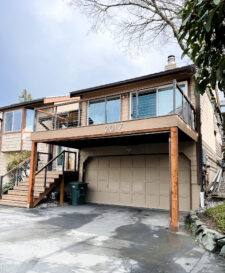
What This Climate Actually Does to a Deck
Salt-tinged air off the nearby waters, driving rain that comes in sideways more often than straight down, and a moss season that can stretch from October through May all combine to attack a deck in specific, predictable ways.
Moisture Intrusion at Fasteners and Joints
Every screw hole, ledger board connection, and joist hanger is a potential entry point for water. Once moisture gets past the surface finish, it doesn't dry out quickly in our climate — humidity stays elevated for months at a stretch, so wood that would shed water fine in a drier region stays damp long enough to start breaking down.
Moss and Algae Load
A long moss season means organic growth isn't just cosmetic. Moss holds water against the decking surface and framing, and it accelerates rot on wood surfaces while making composite and painted surfaces slick and dangerous underfoot. Left alone over a few seasons, moss buildup in the gaps between boards traps enough moisture to cause real structural softening underneath.
Corrosion on Fasteners and Hardware
Salt air accelerates corrosion on anything that isn't rated for coastal exposure — deck screws, joist hangers, ledger bolts, and railing hardware. Rust-streaked fastener heads are one of the most common things we find during an inspection, and corroded hardware is a structural issue, not just an appearance one.
UV and Freeze-Thaw Cycling
Even with our relatively mild winters, the freeze-thaw cycles that do happen work on any wood or composite material that's already holding moisture. Combined with UV exposure during the drier summer months, this is what causes the checking, cupping, and splintering that shows up on decking boards over time.
Signs a Deck in Laurel Needs Repair, Not Just Cleaning
Homeowners often assume a deck just needs a good pressure wash and re-stain. Sometimes that's true. But there are signs that point to something underneath the surface that pressure washing won't fix.
- Soft or spongy spots underfoot, especially near the house or at board edges
- Visible gaps opening up between the ledger board and the house siding
- Rust streaking below screw heads or around joist hangers
- Railings that flex or feel loose when you lean on them
- Persistent moss or dark staining that comes back within weeks of cleaning
- Stair stringers that feel bouncy or uneven compared to when they were built
- Visible daylight or water stains where the deck meets the foundation or house wall
- Boards that have cupped, crowned, or developed deep checking cracks
Any one of these on its own might be minor. Several together usually mean the deck has been dealing with moisture intrusion for a while and needs more than a cosmetic fix.
How We Approach a Deck Repair Inspection
We start underneath, not on top. Most of the damage that actually matters — rot in ledger boards, corroded joist hangers, undersized or failing footings — is invisible from the surface. A repair estimate based only on what's visible on the walking surface is incomplete, and it's the kind of shortcut that leads to a deck that looks fine for a season and then fails at the connection points that were never actually checked.
What We Check
- Ledger board attachment to the house, including flashing and moisture barrier condition
- Joist and beam condition, probing for soft wood at connection points
- Footing and post condition, including any settling or heaving
- Fastener and hardware corrosion throughout the structure
- Railing post attachment and overall rail system integrity
- Stair stringer condition and attachment
- Drainage — where water actually goes when it hits the deck surface
That last point matters more than most homeowners expect. A huge share of repeat deck problems in this region trace back to poor drainage design from the original build — water pooling against the house, gaps too tight for airflow underneath, or grading that channels runoff straight at the structure. A repair that doesn't address the underlying drainage issue is a repair that will need to happen again.
Repair Versus Replacement: How We Decide
Not every problem deck needs to be torn out. But not every deck is worth patching, either. The decision usually comes down to how much of the structural framing — as opposed to the decking boards and railings — has been compromised.
| Factor | Leans Toward Repair | Leans Toward Replacement |
|---|---|---|
| Framing condition | Joists and ledger sound, isolated soft spots | Widespread rot in joists, beams, or ledger |
| Age of structure | Under 15 years, built to a reasonable standard | 20+ years, original construction issues present |
| Footings/posts | Solid, properly sized and set | Undersized, heaving, or improperly footed |
| Decking material | Surface wear only, boards otherwise intact | Widespread cupping, splintering, or delamination |
| Drainage design | Adequate, minor adjustments needed | Fundamentally flawed, causing repeat damage |
When the framing and footings are sound, a targeted repair — replacing specific boards, upgrading fasteners, correcting a drainage issue, sistering a joist — is the honest recommendation, and it's usually the more cost-effective path. When the structure itself has been compromised, patching individual boards just delays a bigger problem and can create a false sense of security about something people walk and stand on.
What a Correct Repair Actually Involves
Fastener and Hardware Upgrades
If we're opening up a connection point for any reason, we don't reuse corroded hardware. Coastal-rated, corrosion-resistant fasteners and joist hangers cost more upfront but they're the difference between a repair that lasts and one that reopens the same problem in a few years.
Flashing and Moisture Barrier Correction
Ledger board rot almost always traces back to missing or failed flashing where the deck meets the house. A proper repair corrects the flashing detail, not just the rotted wood behind it — otherwise the new lumber fails the same way the old lumber did.
Framing Repairs Done to Code
Sistering a joist, replacing a section of ledger, or reinforcing a post connection needs to meet the same structural standards as new construction. We don't consider a framing repair finished until it's carrying load the way it's supposed to, not just looking solid.
Surface Restoration
Once the structure is sound, decking boards, railings, and stairs get addressed — replacing what's failed, matching material where reasonable, and finishing with a stain or sealant appropriate for our moss-prone, wet climate rather than a generic all-purpose product.
Maintenance That Actually Extends the Life of a Repair
A repair is only as good as what happens to the deck afterward. A few habits make a real difference in this climate specifically:
- Clean moss and organic debris out of board gaps at least once a year, ideally before the wet season sets in
- Check and clear drainage paths under and around the deck so water isn't pooling against framing
- Inspect fastener heads periodically for early rust staining, which is easier to address before it spreads
- Re-seal or re-stain wood decking on a schedule appropriate to sun and moisture exposure, not just when it looks faded
- Keep vegetation trimmed back from deck edges to reduce trapped moisture and airflow blockage
Why Hiring a Crew That Already Works Laurel Matters
Deck repair advice that's generic — written for a dry climate or a different building code environment — misses the details that actually matter here. A crew that regularly works decks throughout Semiahmoo and the wider Whatcom County area already knows which connection points fail first in this weather, which fastener and hardware choices hold up against salt air, and which original-build drainage shortcuts tend to cause the most trouble a decade later. That local pattern recognition shortens the inspection, sharpens the diagnosis, and keeps the repair honest — fixing what's actually wrong instead of what's easiest to see.
If your deck in Laurel has soft spots, rust streaks, loose railings, or moss that keeps coming back no matter how often it's cleaned, we're happy to take a look. We'll give you a straight answer on whether it needs a repair or a replacement, and a free, no-pressure estimate either way — just fill out the form below.