 Semiahmoo Exterior
 Building New in Ferndale? Get the Windows Right the First Time
New construction gives you one advantage a window replacement never will: the chance to get the opening, the flashing, and the water management right before drywall, siding, and trim ever go on. In Ferndale and the rest of Whatcom County, that first-pass accuracy matters more than it does in drier climates. Salt-tinged air off the Strait, long stretches of driving rain, and a moss season that can run half the year all put steady pressure on a building envelope. Windows installed correctly during framing tend to perform well for decades. Windows installed carelessly — even good windows — tend to show trouble within a few winters.
This page is about one thing: new-construction window installation for homes being built or added onto in the Ferndale area. Not repairs, not retrofits — the process of setting windows into open framing correctly from day one.
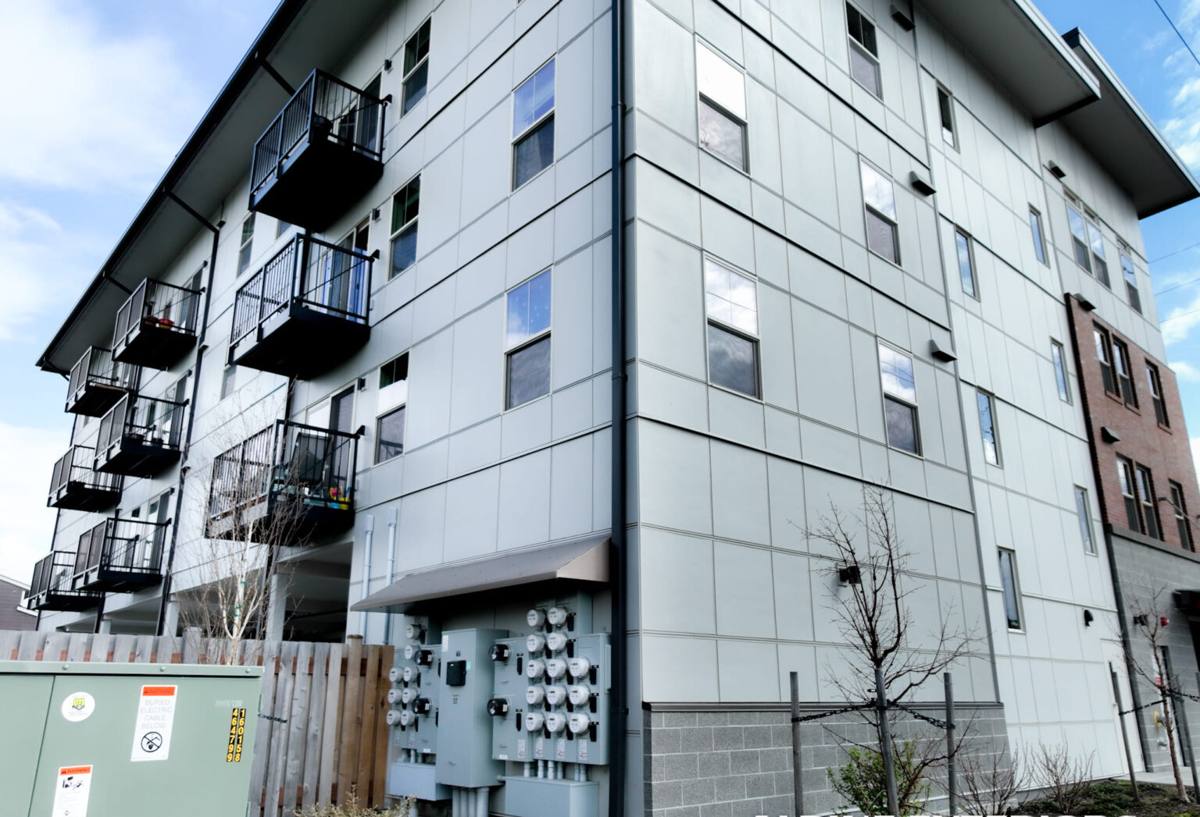
What Ferndale's Climate Actually Does to a Window Opening
Ferndale sits close enough to the water that salt-laden air is a real factor on hardware, fasteners, and finishes, especially on homes with more western or water-facing exposure. Combine that with Whatcom County's rain pattern — frequent, wind-driven, and often sustained for days at a time rather than short bursts — and you get an envelope that's tested constantly, not occasionally. Add a moss and algae season that can stretch from fall through spring on north-facing and shaded walls, and it becomes clear why generic, low-bid window installation practices that might get away with mistakes in a drier region don't hold up as well here.
None of this means new-construction windows in Ferndale need to be exotic or overbuilt. It means the basics — flashing sequence, sill pan drainage, sealant selection, and integration with the water-resistive barrier — have to be done correctly and in the right order, every single time, with no shortcuts because "it's new construction so it'll be fine."
Where New-Construction Openings Actually Fail
- Flashing installed out of shingle-lap sequence, so water is directed behind the barrier instead of over it
- Missing or improperly sloped sill pans that let incidental water pool against the rough sill
- Nailing fins face-sealed with caulk instead of properly integrated with housewrap or building paper
- Gaps between window frame and rough opening left unsealed or improperly insulated, creating condensation points
- Sealant applied to dirty, wet, or incompatible surfaces that fails within a season or two
Every one of these is preventable. None of them show up on inspection day. They show up two, five, or ten winters later as staining, soft trim, or a musty smell near a window — long after the crew that installed them is gone.
What a Correct New-Construction Window Install Involves
New-construction windows are set into open, unfinished rough openings before siding and interior finish go on — which is exactly why the sequence matters so much. Once siding closes up the wall, mistakes in the flashing and drainage plane are hidden for years.
The Order That Protects the Wall
- Rough opening check — size, level, square, and plumb confirmed against the window's actual dimensions before anything is fastened.
- Sill pan installation — a sloped, back-dammed pan that directs any water that gets past the window back outside instead of into the wall cavity.
- Water-resistive barrier integration — housewrap or building paper cut and lapped so water sheds down and over each layer, never behind it.
- Flashing tape at jambs and head — installed in proper shingle-lap order (sill, jambs, then head) so every layer overlaps the one below it.
- Window set, shimmed, and fastened — plumb, level, and square, with fasteners at the manufacturer's specified spacing so the frame isn't racked or stressed.
- Insulation and air-sealing at the perimeter gap — low-expansion foam or backer rod and sealant, never packed so tight it bows the frame.
- Interior and exterior trim — finished only after the drainage plane and air-sealing are confirmed complete.
Skip a step, or do them out of order, and the window itself becomes almost irrelevant — a premium unit installed backward will leak sooner than a modest one installed correctly.
New Construction vs. Retrofit — Why the Process Differs
Homeowners planning an addition sometimes ask why we quote new-construction openings differently than window replacements on an existing home. The honest answer is that the work itself is different, not just the paperwork.
| Factor | New Construction | Retrofit / Replacement |
|---|---|---|
| Access to rough opening | Fully open — flashing and sill pan built from scratch | Limited — working around existing siding and trim |
| Flashing control | Complete control over sequencing and materials | Constrained by what's already in the wall |
| Window style options | Full range, including nail-fin units | Often insert or pocket-style to avoid disturbing siding |
| Best time to correct sizing issues | Before drywall and siding close the wall | Limited — major resizing means opening up finished surfaces |
| Long-term risk if done wrong | Hidden behind finished walls for years | Often shows sooner due to disturbed existing materials |
New construction gives you the better starting position — but only if the crew treats that opportunity seriously instead of rushing through it because "it's easier than a retrofit."
Choosing Frame Materials for a Whatcom County Build
There's no single "best" window material for every home — it depends on exposure, budget, and how much upkeep you want to take on. What we won't do is recommend a product we don't think holds up to this climate just because it's cheaper to install. Here's how the common options actually compare for a Ferndale build.
| Frame Material | Salt Air / Rain Performance | Maintenance | Typical Cost Position |
|---|---|---|---|
| Vinyl | Good — won't rust or rot, but seals and hardware age over decades | Low — occasional cleaning | Entry to mid |
| Fiberglass | Very good — stable in wet, salt-influenced air, minimal expansion/contraction | Low | Mid to upper |
| Wood-clad | Good if detailed and finished correctly; cladding protects the exterior face | Moderate — interior wood finish upkeep | Upper |
| Aluminum | Requires marine-grade finish near the water; standard finishes can pit over time | Low, but finish-dependent | Mid |
For most Ferndale builds, vinyl and fiberglass cover the vast majority of budgets and perform well when installed correctly. Wood-clad windows have real appeal for certain architectural styles, but we're upfront that they ask more of the homeowner in long-term upkeep, especially in a climate with this much sustained moisture.
How We Handle New-Construction Windows on a Ferndale Job
We work directly with builders, general contractors, or homeowners acting as their own GC. Coordination matters as much as the install itself — windows have to arrive on schedule, match the rough openings framed on site, and go in before the wall gets closed up behind them.
- Review the plans and rough opening schedule before framing is finalized, catching sizing mismatches early
- Confirm window specs and finishes against the order before delivery, so nothing gets installed wrong and has to come back out
- Install sill pans, flashing, and each window following the same sequence on every opening — no shortcuts on the units nobody will see closely
- Photograph flashing and sill pan work before it's covered by siding, so there's a record of what's behind the wall
- Walk the finished openings with the builder or homeowner before trim and siding close things up
That documentation step matters more here than in a lot of places. If a wall gets closed up and a question comes up years later, having a record of exactly how the flashing was sequenced is worth far more than a verbal assurance that "it was done right."
Why a Ferndale-Familiar Crew Is Worth Choosing
A window crew that mostly works inland or in drier parts of the state can install a technically correct window and still get the flashing detail wrong for this specific climate — because the failure modes that matter here (wind-driven rain finding its way sideways under a poorly lapped flashing course, moss holding moisture against a north wall) aren't things they deal with regularly. A crew that installs new-construction windows across Whatcom County and the Semiahmoo area every season sees how these details actually perform after a few real winters, not just on install day.
That local pattern recognition shows up in small decisions: which sealant actually stays flexible through a wet winter, how tight to run a flashing lap on a wall that gets consistent driving rain, and where extra attention to sill pan drainage is worth the few extra minutes it takes. None of it is complicated. It's just the kind of judgment that comes from doing this work repeatedly in this specific climate, not from a manufacturer's install guide alone.
A Simple Checklist Before Your Windows Go In
- Confirm rough openings match window schedule dimensions before framing inspection
- Ask your installer what sill pan and flashing products they use and why
- Get written confirmation of window specs (glass package, frame material, finish) before the order is placed
- Ask whether flashing and sill pan work will be photographed before it's covered
- Clarify who is responsible for final caulking and trim — installer, painter, or GC — so nothing falls through the cracks
If your builder or general contractor hasn't walked through these points with you, it's a fair thing to ask about before framing gets much further along.
Get a Free Estimate for Your Ferndale Build
If you're framing a new home or an addition in Ferndale or elsewhere around Semiahmoo, we're happy to look at your plans, talk through window options for your exposure and budget, and give you a straightforward, no-pressure estimate. There's no obligation — just a clear look at what correct new-construction window installation should cost and involve for your specific project. Use the form below to get started.