 Semiahmoo Exterior
 Why Marietta Homes Need Windows Built for the Coast
Marietta sits close enough to the water that its windows live a harder life than windows fifty miles inland. Salt-laden air corrodes hardware and finishes faster than most manufacturers account for. Driving rain, pushed sideways by wind off the Salish Sea, finds every weak seal and gap in old flashing. And the long, damp moss season here means anything that stays wet — sills, tracks, exterior trim — has months to grow mildew and soften wood before summer finally dries things out. Windows that were fine when a house was built twenty or thirty years ago are often the weakest point in the building envelope by the time we get a call.
Energy efficiency and weather resistance aren't separate problems in a climate like this — they're the same problem. A window that lets in cold drafts is almost always the same window letting in moisture, and moisture is what actually damages a house. Our approach for Marietta homeowners starts with that fact.
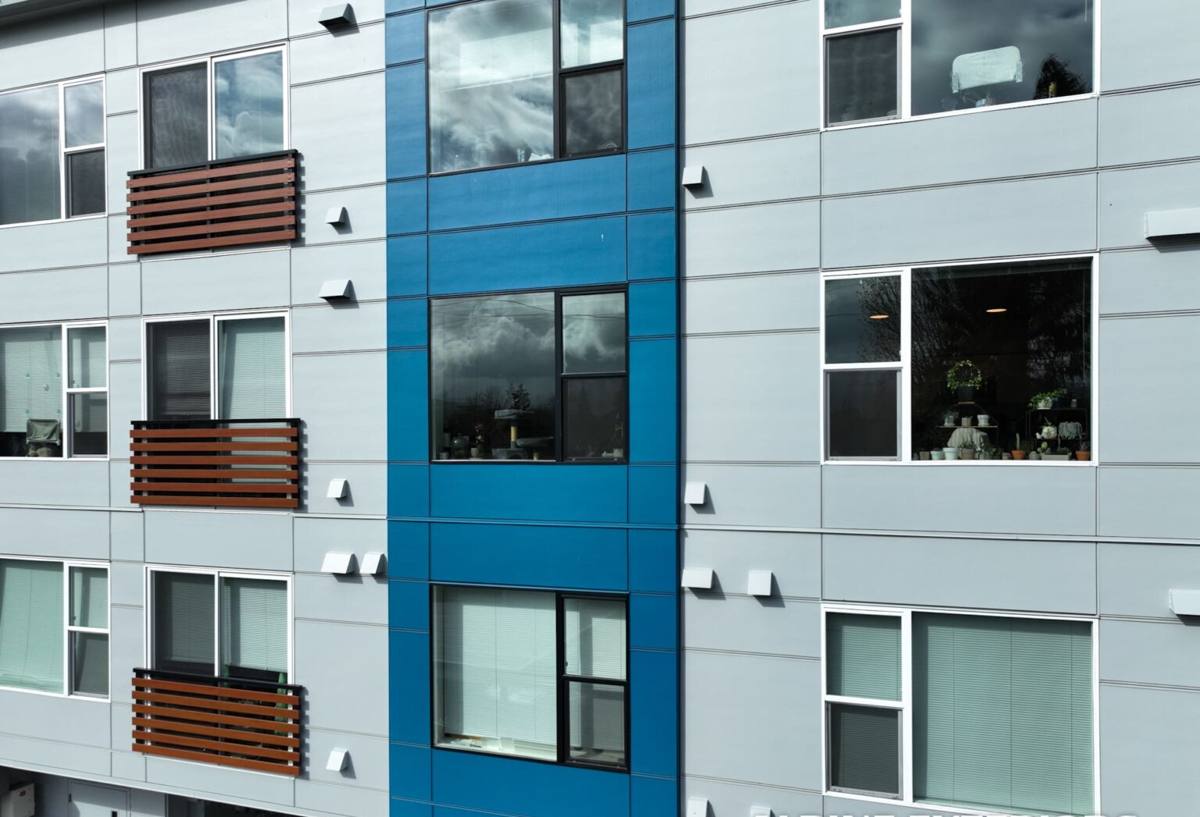
What "Energy-Efficient" Actually Means in a Marine Climate
Energy-efficient windows get marketed with a lot of numbers — U-factor, SHGC, air infiltration rate — and most of them matter less to a Whatcom County home than people assume. Here's what actually moves the needle locally:
Low U-Factor, Moderate Solar Heat Gain
A low U-factor (heat loss through the glass and frame) keeps heating bills down through our long, mild-but-damp winters. Because this region doesn't get intense summer sun the way inland Washington does, an aggressively low solar heat gain coefficient isn't usually necessary — we'd rather you keep some passive warmth on the clear days we do get.
Air Infiltration Under Wind-Driven Conditions
Lab-rated air infiltration numbers assume still air. Real installations near open water deal with sustained wind pressure that pushes air and water into gaps a standard test never sees. The frame's weatherstripping design and how tightly the sash closes matter more here than the sticker rating.
Frame and Glass Durability Against Salt and Moisture
Coastal air is mildly corrosive to hardware, screens, and some finishes over time. Materials and coatings that hold up fine forty miles from the water can pit, chalk, or corrode faster here.
Common Problems We Find in Older Marietta Homes
Most of the window failures we're called out for fall into a short list:
- Fogged or cloudy double-pane glass — the seal between panes has failed and the insulating gas has escaped
- Wood sills and jambs that are soft, discolored, or growing mildew from repeated wetting
- Sashes that are hard to open or close because the frame has swelled or the tracks have corroded
- Noticeable drafts around the frame, especially during wind-driven storms
- Condensation forming on the inside of the glass in colder months, a sign of poor insulating performance
- Visible gaps in old caulk or flashing where water has clearly been getting behind the trim
None of these are unusual for the area — they're the predictable result of standard windows facing a non-standard climate over enough years. The question is whether the replacement addresses the underlying moisture path, or just puts a new window in the same vulnerable opening.
Choosing the Right Frame Material for This Climate
There's no single "best" window material — there's a best fit for a given house, budget, and exposure. Here's how the common options hold up under salt air, driving rain, and a long wet season:
| Frame Material | Moisture & Salt Air Performance | Maintenance | Typical Fit |
|---|---|---|---|
| Vinyl | Won't rot or corrode; performs well near the coast | Low — occasional cleaning | Most homes, best value for efficiency gained |
| Fiberglass | Very stable in wet, salty conditions; resists warping | Low | Homes wanting a higher-end, low-maintenance option |
| Wood-Clad | Good if the cladding is intact; exposed wood is vulnerable to our wet season | Moderate to high — cladding and sealant need monitoring | Homes prioritizing a traditional interior wood look |
| Aluminum | Conducts cold and can corrode over time in salt air without a quality finish | Moderate | Rarely our first recommendation for this specific exposure |
For most Marietta homes, we lean toward vinyl or fiberglass specifically because they don't give salt air and moisture anything to work on. That's a maintenance and longevity decision as much as an efficiency one — a window is only as energy-efficient as it is on the day it fails, and material choice affects how many years you get before that happens.
What a Correct Installation Actually Involves
The window unit itself is maybe half the equation. In a climate that throws wind-driven rain at a house for months at a time, installation detail is what determines whether that window stays watertight for its full lifespan. A correct job includes:
- Removing the old unit and inspecting the rough opening for hidden rot or water damage before anything new goes in
- Repairing or rebuilding any compromised framing — never installing a new window into a soft or damaged opening
- Installing proper flashing that directs water out and away from the wall assembly, not just caulk alone
- Using a weather-resistive barrier detail that integrates with the existing siding's drainage plane
- Setting the unit level, plumb, and square, with correct shimming so the sash operates and seals properly for years
- Sealing the interior and exterior with the right sealants for the substrate and exposure, not a one-size-fits-all caulk
- Confirming proper operation and a tight seal before considering the job complete
Skipping any one of these steps is how a brand-new, high-efficiency window ends up with rot behind the trim within a few years. We've opened up plenty of walls where the window itself was fine and the framing around it was not — because whoever installed it didn't check.
Our Process, Start to Finish
1. On-Site Assessment
We look at your current windows, the condition of the framing and siding around them, and how your home is oriented to wind and rain. This tells us whether it's a straightforward replacement or whether there's underlying moisture damage to address first.
2. Straightforward, Written Recommendation
You get options that fit your home and budget, explained in plain terms — what material and glass package we recommend and why, not a sales pitch stacked with upgrades you don't need.
3. Careful Removal and Prep
Old units come out cleanly, the opening gets inspected and repaired as needed, and the area is protected from weather during the work.
4. Installation and Flashing Detail
This is where most of the long-term performance is decided — flashing, sealing, and fit all get done to hold up against local conditions, not just to pass a quick visual check.
5. Final Walkthrough
We test operation, check seals, and walk you through anything you should know about care or warranty before we consider the job done.
Cost Factors Worth Understanding
Window replacement pricing varies with size, material, glass package, and how much framing repair is needed — we won't quote a number without seeing the job. What we can tell you is what tends to move the price:
| Factor | Why It Affects Cost |
|---|---|
| Frame material | Vinyl is generally the most cost-effective; fiberglass and wood-clad cost more upfront |
| Glass package | Double vs. triple pane, and coatings like low-E, add to material cost but affect long-term efficiency |
| Hidden framing damage | Rot or moisture damage found during removal adds repair scope — this is common in older coastal homes |
| Number and size of openings | Larger or custom-sized windows cost more than standard sizes |
| Installation complexity | Multi-story access, unusual trim details, or full-frame vs. insert replacement all affect labor |
Be cautious of any quote that's given without someone actually looking at your windows and framing in person. In a climate where hidden moisture damage is this common, an accurate number requires an accurate look.
Why a Crew That Already Works in Marietta Makes a Difference
Whatcom County's coastal conditions aren't exotic, but they are specific — the combination of salt exposure, wind-driven rain direction, and a long wet season shapes decisions about material, flashing detail, and sealants that a crew unfamiliar with the area might not think twice about. A contractor who works this specific stretch of coastline regularly has already seen which details hold up here and which don't, because they've been back to fix the ones that didn't. That's a different kind of experience than general window installation know-how, and it's the difference between a window that performs well on day one and one that still performs well after its fifth wet winter.
If your windows are drafty, fogged, hard to operate, or just old enough that you're wondering whether it's time, we're happy to take a look and give you an honest, no-pressure assessment. Use the form below to request a free estimate — we'll tell you plainly what we find and what we'd recommend, whether that's a full replacement or something smaller.