 Semiahmoo Exterior
 Windows Built for Cherry Point's Coastline, Not a Showroom Somewhere Else
Cherry Point sits right where Whatcom County's shoreline weather meets everyday home life. Homes here take a steady beating from salt-laden air, wind-driven rain off the water, and a moss season that can stretch from fall through spring. Windows that work fine forty miles inland often fail early out here — seals give out, frames pit or discolor, and glass fogs up between the panes years before it should. If you're planning to replace windows on a Cherry Point property, the products and the installation both need to account for what this specific stretch of coastline actually does to a house.
This page covers energy-efficient window replacement specifically for Cherry Point homes: what the local climate demands, what a correct installation looks like, how we approach the job, and why experience in this exact area matters more than it might elsewhere in Washington.
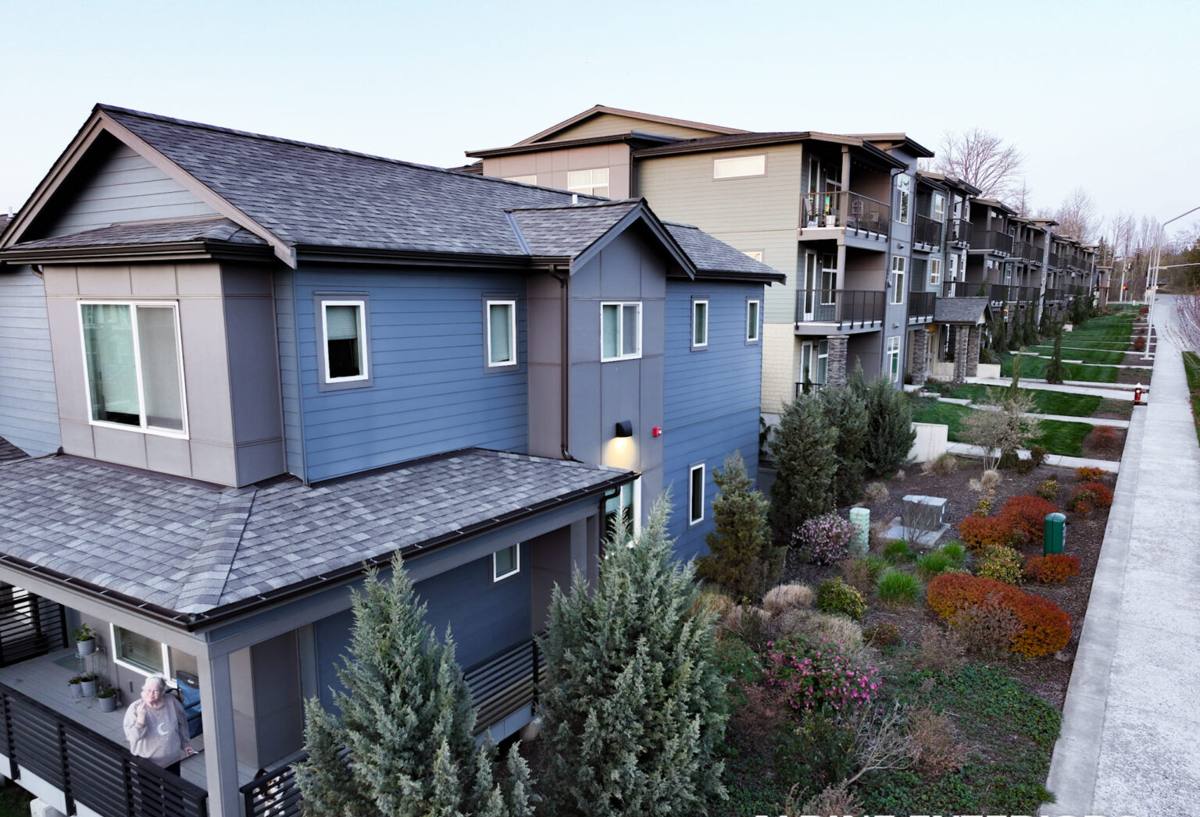
What Cherry Point's Climate Actually Does to Windows
Salt Air and Corrosion
Proximity to the water means airborne salt settles on everything, including window hardware, frame fasteners, and exposed metal components. Over time, salt exposure accelerates corrosion on lower-grade hinges, locks, and screen frames, and it can dull or pit certain metal finishes. Vinyl and fiberglass frames don't corrode, but the hardware bolted to them still can if it isn't rated for coastal exposure.
Wind-Driven Rain
Rain in this area rarely falls straight down — it comes sideways off the water, driven by wind gusts that push moisture into gaps most inland installations never have to deal with. A window that's merely "watertight" in calm conditions can still leak here if the flashing and sill pan weren't built for lateral wind pressure.
Moss and Sustained Dampness
Whatcom County's long wet season keeps north-facing and shaded exterior surfaces damp for months at a time. That dampness feeds moss and algae growth on sills, trim, and cladding around window openings. Beyond the cosmetic issue, sustained moisture sitting against wood trim or poorly sealed frame edges is exactly what leads to rot and hidden water damage behind the window itself.
Temperature Swings and Condensation
Cherry Point doesn't see extreme heat, but marine-influenced humidity combined with cooler indoor-outdoor temperature differentials makes condensation a real issue on older or poorly insulated glass. Fogging between panes is usually a sign the seal has already failed.
What "Energy-Efficient" Should Mean for This Location
Energy efficiency isn't just a sticker on the glass — it's a combination of the frame material, the glass package, and how well the unit is sealed once it's in the wall. For a Cherry Point home, we weight these factors toward moisture resistance and air infiltration control just as much as raw insulation value, because a window that loses its seal to weather stress stops being efficient no matter what its original rating was.
Key Specs Worth Understanding
- U-factor — measures heat loss through the window. Lower is better for our climate, where keeping heat in matters more than keeping it out.
- SHGC (Solar Heat Gain Coefficient) — measures how much solar heat passes through. Less critical here than in sunnier climates, but still relevant on south- and west-facing walls.
- Air infiltration rating — measures how much air leaks through the assembly itself. This matters a great deal in a location that gets regular wind-driven rain, since air leakage paths are often the same paths water finds.
- Condensation resistance — a good indicator of how well the glass package will perform through a damp Whatcom County winter without fogging or interior condensation.
Frame Material: Trade-Offs for a Salt-Air Environment
There's no single "correct" frame material for every home — it depends on budget, exposure, and maintenance appetite. Here's how the common options actually compare in a coastal setting like Cherry Point, based on how they behave over time rather than how they're marketed.
| Frame Material | Salt Air Behavior | Maintenance | Typical Lifespan Here |
|---|---|---|---|
| Vinyl | Does not corrode; UV and salt exposure can affect surface finish over decades | Low — occasional cleaning | Long, with quality-dependent variation |
| Fiberglass | Very stable; resists expansion/contraction from temperature and moisture swings | Low | Long |
| Wood-clad | Cladding protects wood, but any breach in the seal exposes wood to sustained coastal moisture | Higher — seal integrity must be maintained | Shorter if seals aren't monitored |
| Aluminum | Prone to corrosion and thermal transfer unless it's a thermally broken, marine-rated product | Moderate to high | Shorter unless upgraded hardware is used |
We don't push one material on every homeowner. We do explain honestly which options hold up with the least maintenance in this specific environment, and we're upfront when a product would need more upkeep than most homeowners want to commit to on a shoreline-adjacent property.
What a Correct Installation Actually Involves
The window unit itself is only part of the job. Most window failures we get called out to fix in coastal Whatcom County homes trace back to the installation, not the product. A correct install for this climate includes:
- Removing the old unit carefully and inspecting the rough opening for hidden rot or moisture damage before anything new goes in.
- Sill pan flashing that directs any water intrusion back out, rather than letting it pool against framing.
- Proper flashing sequencing — integrating the window flashing with the existing weather-resistive barrier so water sheds correctly, layer over layer, the way gravity and wind-driven rain actually behave.
- Sealing and insulating the gap between the frame and the rough opening, using materials that stay flexible rather than cracking as the house shifts seasonally.
- Exterior trim and caulking sized and sealed to shed water rather than trap it against the siding.
- Hardware selection — using corrosion-resistant fasteners and hardware appropriate for salt-air exposure, not standard-grade parts.
Skip any one of these steps and you can end up with a window that has an excellent energy rating on paper but still leaks, fogs, or rots out the surrounding wall within a few years — a common and avoidable outcome in this area.
Our Process for Cherry Point Homes
1. On-Site Assessment
We look at each opening individually — sun exposure, wind exposure, existing signs of moisture, and the current window condition — rather than quoting a blanket price sight unseen.
2. Honest Product Recommendation
We walk through frame material and glass package options based on your specific exposure, budget, and how much long-term maintenance you want to take on.
3. Installation
Full removal, flashing, sealing, and trim work done to the standard above — not just dropping a new unit into the old opening.
4. Walkthrough and Cleanup
We check operation, sealing, and site cleanup with you before considering the job finished.
Signs Your Current Windows Are Already Failing
If you're on the fence about replacement, these are the practical signs worth checking before another wet season sets in:
- Fogging or haze between the panes (failed seal — not fixable, only replaceable)
- Drafts you can feel near the frame on a windy day
- Soft or discolored trim and sill wood around the window
- Visible moss or persistent green staining on the exterior sill or trim
- Difficulty opening, closing, or latching the window
- Rising heating costs with no other clear explanation
- Corroded or stiff hardware on older metal-framed units
Why Local Experience Matters More Than It Might Elsewhere
A crew that only occasionally works near the water can install a technically sound window and still miss the details that matter specifically for salt air and wind-driven rain exposure — the extra attention to flashing sequencing, the hardware upgrade, the trim sealing approach that accounts for sustained dampness rather than occasional rain. Working regularly in and around Semiahmoo and Cherry Point means we're not guessing at how this coastline behaves; we're applying what we've already seen hold up, and what we've seen fail, on homes facing the same conditions yours does.
Cost Factors to Expect
Window replacement pricing varies by opening size, frame material, glass package, and how much flashing or trim repair is needed once the old window comes out. Rather than quote a single number that doesn't apply to your home, here's what actually moves the price:
| Factor | Why It Affects Cost |
|---|---|
| Frame material | Vinyl, fiberglass, and clad options carry different material costs |
| Window size and count | Larger and more numerous openings mean more material and labor |
| Glass package | Upgraded low-E coatings and gas fills add cost but improve performance |
| Existing damage | Rot or moisture damage found at removal requires repair before the new unit goes in |
| Access and site conditions | Upper-story or hard-to-reach openings take more time and equipment |
Broad ranges only get you so far — an accurate number needs an actual look at your windows and openings.
Ready for an Honest Look at Your Windows?
If you're dealing with drafts, fogged glass, or trim that's starting to show its age around Cherry Point, we're happy to come take a look and give you a straightforward assessment — no pressure, no hard sell. Use the form below to request a free estimate, and we'll walk you through exactly what your home needs.