 Semiahmoo Exterior
 Windows Built for Custer's Marine Climate
Custer sits close enough to Semiahmoo Bay and Drayton Harbor that salt-laden air is a daily fact of life, not an occasional nuisance. That air moves inland on the wind and settles on every exposed surface of a house, including window frames, hardware, and screen tracks. Add in driving rain that comes sideways off Pacific storms through the fall and winter, and a moss season that can run nine months or more in Whatcom County's damp, mild climate, and you have conditions that are genuinely tough on windows. Frames corrode faster, seals break down sooner, and moisture finds its way into gaps that would stay dry in a drier inland climate. A window that performs fine in Spokane or Eastern Washington can fail early out here if it wasn't chosen and installed with this environment in mind.
This isn't a reason to over-engineer every job or upsell unnecessary features. It's a reason to be deliberate about material selection, flashing detail, and sealant choice, and to understand that "good enough" installation practices elsewhere in the state aren't always good enough here.
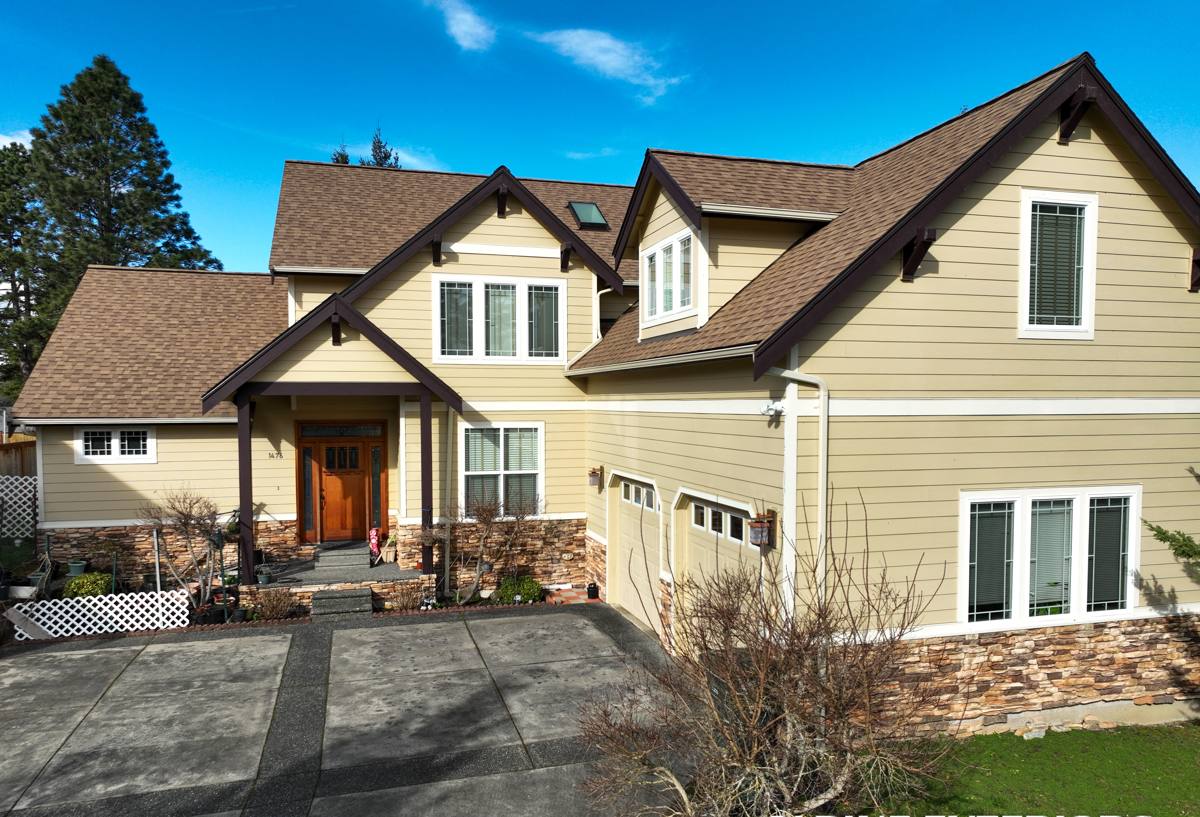
What "Custom" Actually Means for a Window Job
"Custom" doesn't mean expensive or exotic. It means a window that's built and installed to fit your home's actual rough openings, architectural style, and structural quirks, rather than a stock size forced into place with extra trim to hide the gaps. Custer has a mix of housing stock — older farmhouses on larger lots, mid-century ranch homes, and newer construction — and each one presents different opening sizes, wall depths, and trim details.
Custom work covers things like:
- Exact measurement of each opening rather than assuming uniform sizing across the house
- Matching sightlines and grille patterns to the home's existing style
- Handling non-standard shapes — bays, bows, transoms, and angled openings
- Choosing replacement (insert) versus full-frame (new-construction) installation based on the condition of the existing frame and sill
- Coordinating trim, siding, and flashing details so the finished look matches the rest of the exterior
Getting this right matters more than the brand name on the glass. A well-fitted window from a solid mid-tier line will outperform a premium window that's been shoehorned into an opening it wasn't sized for.
Choosing the Right Frame Material for Salt Air and Rain
There's no single "best" window material for every home — it depends on your budget, your home's style, and how exposed the house is to wind and salt air. Here's how the common options hold up in this specific climate.
| Material | Salt Air / Moisture Resistance | Maintenance | Typical Lifespan | Best For |
|---|---|---|---|---|
| Vinyl | Good — won't rust or corrode; UV can affect color over decades | Low — occasional cleaning | 20–30 years | Budget-conscious replacements, most home styles |
| Fiberglass | Very good — dimensionally stable, resists corrosion and moisture-driven warping | Low | 30–40+ years | Homes with heavy weather exposure or wide temperature swings |
| Wood-clad | Fair — the exterior cladding resists weather, but any breach exposes wood to rot | Moderate to high — finish and seals need monitoring | 20–30 years with upkeep | Historic or traditional homes where interior wood grain matters |
| Aluminum | Poor to fair in salt air — prone to corrosion and condensation without thermal breaks | Moderate | 15–25 years near the coast | Limited use; mainly commercial or specific architectural needs |
For most Custer homeowners, vinyl or fiberglass hits the right balance of cost, durability, and low upkeep in a salt-air environment. Wood-clad windows can still be the right call on a home where matching original trim details matters, but we'll be upfront that they ask more of you in maintenance than vinyl or fiberglass does.
Glass Package Matters Too
Frame material gets most of the attention, but the glass package affects comfort and condensation resistance as much as the frame does. Dual-pane glass with a Low-E coating and argon fill is the standard we recommend for this climate — it cuts heat loss during cold, wet winters and reduces the interior condensation that's common in marine climates with big temperature and humidity swings between indoors and out.
Signs Your Current Windows Are Losing the Fight
Windows rarely fail all at once — they show warning signs first. In a climate like this one, those signs often show up years before a homeowner in a drier region would notice anything.
- Fogging or a hazy film between the panes of double-pane glass (a broken seal)
- Drafts you can feel near the frame even when the window is fully latched
- Windows that are difficult to open, close, or lock, often from swelling or corroded hardware
- Visible discoloration, soft spots, or bubbling paint on wood sills and frames
- Moss or algae buildup on sills, especially on north- or shade-facing walls
- Water staining or soft drywall on the interior wall below or beside the window
- Noticeably higher heating bills without an obvious other cause
Any one of these is worth a look. Several at once usually means the window and the surrounding wall assembly have been dealing with moisture for a while, and it's worth having someone check the sheathing behind the trim, not just the window itself.
How We Install for Long-Term Weather Performance
In this climate, the installation detail matters as much as the window itself. A quality window installed with shortcuts will leak long before its rated lifespan is up, and once water gets behind the trim in a house that sees this much driving rain, it doesn't dry out quickly.
Our installation approach for Custer homes includes:
- A sloped sill pan under every opening so any water that does get past the exterior sheds outward instead of pooling against the sill
- Proper flashing integration with the existing weather-resistive barrier, lapped correctly so water runs down and over, never behind
- Sealant selected for exterior exposure and salt air, applied at the right points — not everywhere, since over-sealing can trap moisture instead of releasing it
- Backer rod and low-expansion foam or insulation in the gap between frame and rough opening, avoiding both drafts and over-compression
- Corrosion-resistant fasteners and hardware appropriate for coastal exposure
None of this is unusual or proprietary — it's standard best practice for window installation in a wet, salt-exposed climate. The issue is that it takes more time and attention than a quick trim-and-caulk job, and that's exactly where corners get cut on rushed installs.
Our Process, Start to Finish
- On-site assessment and measurement. We look at each opening individually, check the condition of the existing frame and sill, and note any signs of moisture intrusion behind the trim.
- Material and style selection. We walk through frame material, glass package, and style options based on your home, your budget, and how exposed that side of the house is to wind and rain.
- Ordering and lead time. Custom-sized windows are built to order, so we give you a realistic timeline up front rather than a vague estimate.
- Removal and prep. Old windows come out carefully, and we inspect the opening for rot or damage before anything new goes in — this is often when hidden moisture issues get caught.
- Installation. Sill pan, flashing, insulation, and sealant go in following the sequence above, not shortcuts around it.
- Cleanup and walkthrough. We clear debris and packaging, and go over operation and care with you before we consider the job done.
Living with Windows in a Moss-Prone Climate
Even a correctly installed, well-built window needs a little seasonal attention out here. A few habits go a long way toward getting the full lifespan out of your investment:
- Clean weep holes and tracks a couple of times a year so water has somewhere to drain instead of sitting on the sill
- Keep gutters and downspouts clear — overflowing gutters dump extra water directly onto upper-floor windows during heavy rain
- Rinse moss and algae off sills and frames before it builds up a thick mat, particularly on shaded, north-facing walls
- Check hardware — hinges, locks, cranks — annually for early corrosion, especially on homes closest to the water
- Trim back vegetation that's shading a wall and keeping it damp longer than the rest of the house
None of this is heavy labor, but skipping it for years at a time is how a 30-year window turns into a 15-year window.
Why It Matters to Hire a Crew That Already Works Custer
A crew that works this specific area regularly has already seen how wind and rain behave on open, exposed lots versus tree-sheltered ones, which walls in this area tend to grow moss first, and what the common window openings and framing quirks look like in the mix of older and newer homes here. That's the kind of pattern recognition that doesn't come from a general contractor who happens to take a job in Whatcom County once in a while.
It also means we're familiar with the permitting expectations for window replacement in the county and can flag when a job crosses into territory that needs a permit versus a straightforward like-for-like swap. For a homeowner, that translates into fewer surprises mid-project and a finished job that's built for the specific weather your house actually faces, not a generic installation.
Get a Straightforward Estimate
If your windows are drafty, fogged, hard to operate, or just showing their age, we're happy to take a look and give you an honest read on whether repair, partial replacement, or a full window upgrade makes the most sense for your home. Fill out the form below for a free, no-pressure estimate — we'll walk the property, answer your questions, and give you real numbers before any work begins.