 Semiahmoo Exterior
 Decks Built for California Creek's Coastal Conditions
California Creek sits close enough to the water that every outdoor structure on your property deals with a different set of stresses than a deck built twenty miles inland. Salt-laden air off the coast works on metal fasteners and connectors year-round, driving rain off the Strait finds its way into any gap in flashing or decking, and the long, damp Whatcom County shoulder seasons give moss and algae months at a time to get established on any surface that doesn't drain and dry properly. A deck that isn't built with those specific conditions in mind will show it early — soft spots, rust streaks, slick boards, and fasteners that back out or corrode well before their rated lifespan.
We build and repair custom decks for homes in and around California Creek with that climate as the starting point, not an afterthought. That means material choices, hardware, drainage detailing, and finishing decisions are all made with salt air and standing moisture in mind from the first conversation, not patched in later.
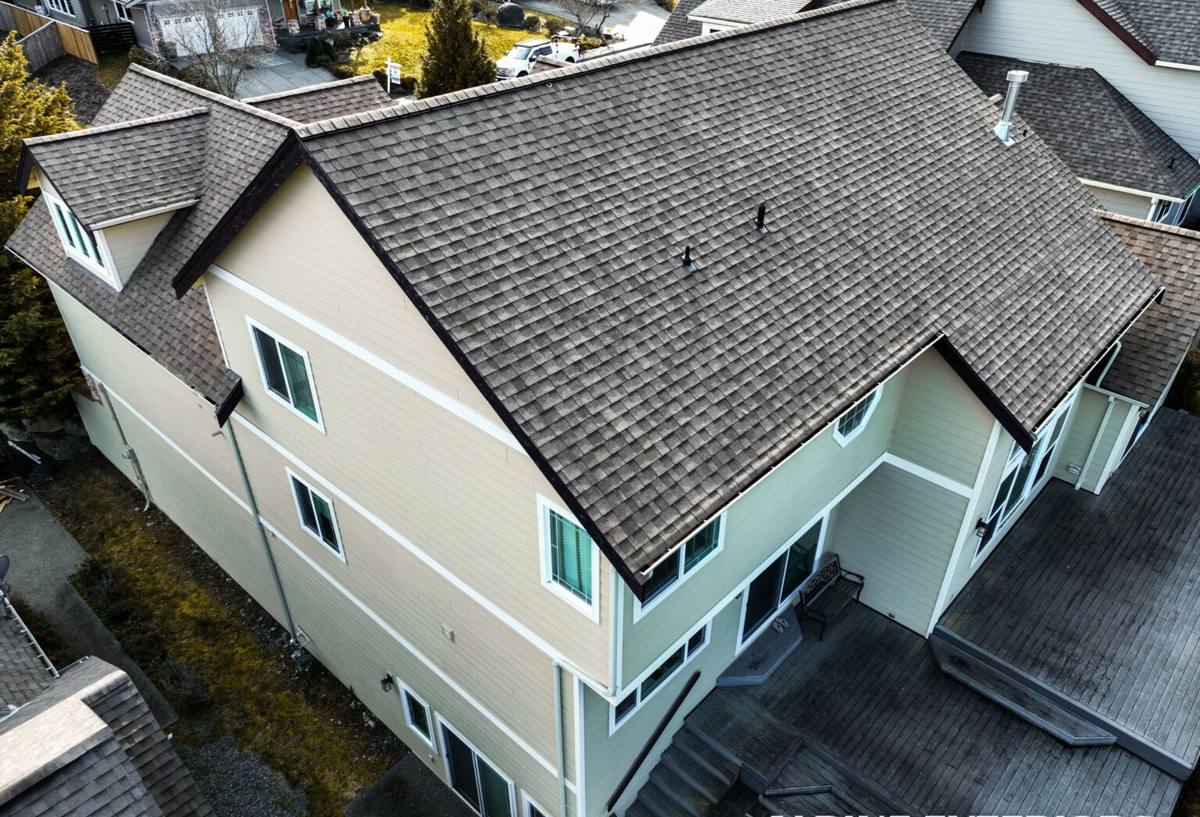
What California Creek Homes Actually Need From a Deck
Before we talk about boards and railings, it helps to be clear about what this specific environment demands. Three factors drive almost every decision on a coastal Whatcom County deck:
- Corrosion resistance — salt air accelerates rust on standard fasteners, brackets, and connectors, which is often the real reason an otherwise sound deck starts to fail.
- Drainage and airflow — driving rain needs somewhere to go, both off the deck surface and out from underneath it, or moisture gets trapped against framing.
- Surface traction and moss resistance — a long damp season means any deck surface that stays wet for extended periods will grow moss and algae, and that's a slip hazard as much as a maintenance headache.
A correct deck build addresses all three at once. Getting one right and ignoring the others just moves the failure point somewhere else — a beautiful deck surface on rusting hardware, or moss-resistant boards over framing that's rotting from trapped moisture underneath.
Wind and Exposure
Depending on where your lot sits relative to the water and tree cover, wind exposure can also factor into railing design and how a deck is braced, especially for elevated structures or second-story decks. We look at your specific site, not just a generic Semiahmoo average, when deciding on bracing and railing details.
Choosing the Right Decking Material for This Climate
There's no single "best" decking material for every California Creek home — it depends on your budget, how much upkeep you want to take on, and the look you're going for. Here's an honest comparison of the main options we install, with the trade-offs that actually matter in this climate:
| Material | How It Handles Salt Air & Rain | Maintenance | Trade-offs |
|---|---|---|---|
| Cedar | Naturally rot- and insect-resistant; needs sealing to keep weathering even | Annual cleaning, periodic staining/sealing | Best natural look; requires the most ongoing attention to stay ahead of moss and graying |
| Pressure-treated fir/pine | Treated core resists rot, but cut ends and fasteners are vulnerable if not sealed | Regular cleaning, sealing every 1-2 years | Lower upfront cost; shortest lifespan of the group in a wet, salty environment if maintenance lapses |
| Composite (capped) | Doesn't absorb moisture or rot; capped boards resist staining and moss better than wood | Periodic washing to clear pollen, moss spores, and salt residue | Higher upfront cost; long-term value if you want to minimize yearly upkeep |
| Tropical hardwood (e.g., ipe) | Extremely dense and rot-resistant; handles moisture well | Oiling to maintain color, or left to weather naturally | Premium price point; heavier, requires correct fastening approach |
We'll walk through these options in person, with samples, so you can see and feel the difference before deciding — not just look at a price sheet.
What's Underneath Matters More Than What's On Top
The decking surface is what you see, but the framing, ledger connection, and hardware underneath determine whether the deck is actually safe and long-lasting. This is where a lot of decks in salt-air environments run into trouble, because standard fasteners that work fine inland corrode faster here.
Hardware and Fasteners
We use fasteners, joist hangers, and structural connectors rated for coastal or salt-exposed environments — typically stainless steel or hot-dip galvanized hardware, not the standard electro-galvanized fasteners that are fine for most inland builds but corrode noticeably faster in salt air. The cost difference is modest relative to the whole project, and it's one of the cheapest ways to add years to a deck's life.
Ledger Attachment and Flashing
Where the deck attaches to your house is the single most important connection on the structure, and it's also the spot most vulnerable to water intrusion. Proper flashing at the ledger board keeps driving rain from working its way behind the siding and into the house framing — a problem that can go unnoticed for a long time and cause damage well beyond the deck itself.
Footings and Post Bases
Post bases that hold posts up off the concrete, rather than embedding wood directly in or against it, keep the base of each post out of standing water and reduce rot risk. In a wet climate like this one, that detail matters more than it does in drier parts of the state.
Drainage and Moisture Management
A deck that sheds water well on top but traps it underneath will still fail early. We pay close attention to a few details that are easy to skip but expensive to fix later:
- Proper board spacing so water drains through rather than pooling on the surface
- Grading and airflow underneath the deck so the space beneath can actually dry out between rain events
- Flashing and sealing at every point where the deck meets the house
- Stair and landing details that shed water away from the house foundation, not toward it
This is also where moss gets its start. Moss and algae need sustained moisture to establish, so a deck that drains and dries efficiently is naturally more moss-resistant than one that holds water in shaded or low-airflow spots, regardless of what material the decking is made from.
Our Process for a California Creek Deck Project
Whether it's a new deck, a full rebuild, or a repair, the process follows the same basic order:
- On-site assessment — we look at your existing structure (if there is one), sun/shade exposure, wind exposure, and how water currently moves across your property.
- Design and material selection — sizing, layout, railing style, and decking material are worked out together, with your budget and maintenance preferences driving the decisions.
- Permitting — most new decks and significant rebuilds in Whatcom County require a permit; we handle that process rather than leaving it to you.
- Demolition (if applicable) — removal of the old structure, with an honest look at whether existing footings or framing can be reused or need to be replaced.
- Framing — ledger attachment, footings, posts, beams, and joists, all with coastal-rated hardware.
- Decking, railing, and stairs — installed to manufacturer spec for whichever material you've chosen.
- Final walkthrough — we go over the finished deck with you, including what maintenance it will need and roughly when.
Permits and Code Basics in Whatcom County
Most new deck construction and many deck rebuilds require a building permit in Whatcom County, and there are specific code requirements around guardrail height, baluster spacing, stair rise and run, and footing depth. These requirements exist for real safety reasons — undersized footings and improperly spaced guardrails are common failure points on older or DIY-built decks. We pull permits and build to code as a standard part of the job, not an upsell, so you're not left holding an unpermitted structure when it's time to sell the house.
Keeping Your Deck Looking Good Through the Wet Season
Even a well-built deck needs some seasonal attention in this climate. A short annual routine goes a long way toward keeping moss from getting a foothold and keeping fasteners and finishes performing as intended:
- Sweep debris (leaves, needles, pollen) off the deck regularly, especially in fall, so it doesn't hold moisture against the surface
- Clean the surface at least once a year with a deck-safe cleaner to remove early moss and algae growth before it spreads
- Check and re-seal or re-stain wood decking on the schedule appropriate to that material
- Keep gutters and downspouts near the deck clear so roof runoff isn't adding extra water to the area
- Trim back vegetation that's shading the deck and keeping it damp longer than it needs to be
- Do a quick check of railings and stair connections once a year for any looseness or corrosion at fastener points
Cost Factors to Expect
Every deck project is different, but the same handful of factors drive most of the cost difference between jobs:
| Factor | Why It Matters |
|---|---|
| Size and footprint | More square footage means more material, more footings, and more labor |
| Height and grade | Elevated decks need taller posts, more bracing, and often stairs, which adds cost |
| Material choice | Pressure-treated framing with composite decking costs more upfront than an all-wood build, but less in long-term upkeep |
| Existing structure condition | Reusing sound footings and framing costs less than a full teardown and rebuild |
| Railing and stair complexity | Custom railing styles, multiple stair runs, or built-in features add both material and labor time |
As a very general guide, a modest single-level deck in pressure-treated wood tends to sit at the lower end of the cost range, while a larger multi-level deck in composite or hardwood decking with custom railings runs considerably higher. We'll give you a specific number for your project after seeing your site, not a generic estimate pulled from a national average that doesn't account for this climate.
Why Hire a Crew That Already Works in California Creek
A deck built by a crew unfamiliar with coastal Whatcom County conditions can look identical to one built by a crew that knows the area — until the first wet winter. The difference shows up in the hardware choices, the flashing details, the drainage planning, and the material recommendations, none of which are visible on day one. We work in this specific area regularly, which means we're not guessing at how salt air, driving rain, and the long moss season will treat a given material or connection — we've already seen how it plays out on decks like yours.
If you're planning a new deck, replacing an aging one, or dealing with a structure that's showing early signs of rot or corrosion, we're happy to take a look and talk through honest options for your property. Fill out the form below for a free, no-pressure estimate.