 Semiahmoo Exterior
 Why Blaine Siding Wears Differently Than Siding Inland
Blaine sits right where Semiahmoo Bay meets the open water, and that location shapes everything about how siding ages here. Salt-laden air drifts onto homes daily, driving rain comes in sideways off the water during winter storms, and the long, damp Whatcom County shoulder seasons keep north- and west-facing walls wet for weeks at a time. A siding product or repair method that holds up fine forty miles inland can fail here years earlier, because the exposure is fundamentally harsher.
Most of the repair calls we run in Blaine trace back to one of three things: moisture that found a way behind the siding, fasteners or trim that corroded faster than expected because of the salt air, or moss and algae that held dampness against the wall long enough to start damage underneath. None of these are exotic problems, but they all need to be diagnosed correctly, not just patched over.
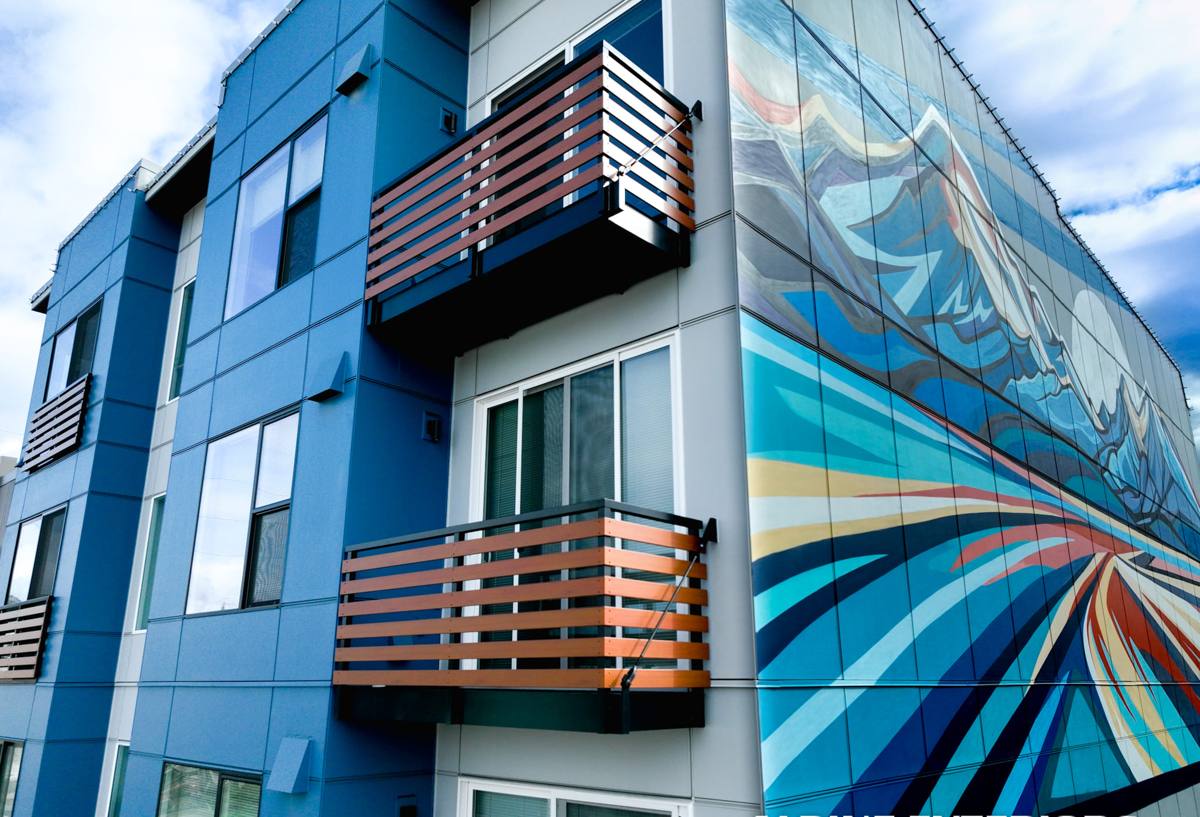
Signs Your Siding Needs Repair — Not Just a Paint Job
A lot of siding damage looks cosmetic from the ground and turns out to be structural once you get a ladder on it. Here's what we tell Blaine homeowners to watch for:
- Soft or spongy spots when you press on the siding, especially near the bottom courses and around window trim
- Persistent black or green streaking that comes back within a season of cleaning, a sign moisture is staying in the material longer than it should
- Visible gaps, cupping, or warping at butt joints and corners
- Peeling or bubbling paint that returns quickly after repainting, often a symptom of moisture pushing out from behind
- Rust streaks below fasteners or trim, common on this coastline because of the salt content in the air
- Soft trim or fascia at points where siding meets the roofline, a common entry point for wind-driven rain
Why These Signs Show Up Sooner Here
In a drier inland climate, a homeowner might get away with ignoring a small trim gap for a year or two. On the Semiahmoo peninsula, that same gap is taking on wind-driven rain multiple times a month for half the year. Small problems compound faster, which is why we push Blaine clients to get questionable areas looked at before the next storm season rather than after.
What's Actually Driving the Damage
Salt Air and Fasteners
Salt in the air accelerates corrosion on anything metal — nail heads, trim flashing, even some housewrap staples. Once a fastener starts to corrode, it loses holding power and can leave a small gap where water tracks in behind the siding. This is one of the more Blaine-specific issues we see; it's less common on jobs we run further from the water.
Driving Rain at Joints and Penetrations
Storms coming off the water push rain almost horizontally into exposed walls. Any weak point — an unsealed butt joint, a poorly flashed window, a trim piece with a hairline gap — becomes a water entry point under that kind of pressure. Repairs that only address the visible surface and skip the flashing detail behind it tend to fail again within a season or two.
Moss and the Long Wet Season
Whatcom County's moss season runs long, and north-facing or shaded walls near mature trees stay damp far longer than sun-exposed ones. Moss and algae don't just look bad — they hold moisture against the siding surface, and on wood-based or fiberboard products that moisture eventually finds a seam or a soft spot to get behind.
Patch Job vs. Correct Repair
Not all siding repairs are equal. A lot of the "repairs" we get called out to fix a second time were done fast and cheap the first time — caulk over a gap, a mismatched board face-nailed in place, paint over a soft spot. Here's the difference between a patch and a repair done to hold up on this coastline:
| Detail | Quick Patch | Correct Repair |
|---|---|---|
| Water intrusion source | Covered or caulked over | Traced back to entry point and corrected |
| Flashing and house wrap | Left as-is, even if damaged | Inspected and repaired behind the siding |
| Fasteners | Reused or matched to what's already failing | Corrosion-resistant fasteners rated for coastal exposure |
| Material match | Closest available board, sealed with caulk | Matched profile and finish, properly integrated at joints |
| Expected result | Looks fine for a season, then recurs | Addresses the actual cause, holds up long term |
Repair or Replace? How We Help You Decide
Not every damaged section needs a full re-side, and not every repair is worth doing if the underlying siding is at the end of its life. A few factors we walk through with Blaine homeowners:
| Factor | Favors Repair | Favors Replacement |
|---|---|---|
| Extent of damage | Isolated to one wall or a few sections | Recurring across multiple walls or elevations |
| Underlying material condition | Sound, just a localized failure point | Widespread softness, warping, or delamination |
| Age of existing siding | Newer install with years of service life left | Original siding is decades old or already discontinued |
| Moisture history | Single identifiable cause, now correctable | Chronic moisture problems across the exterior |
When damage is scattered and the siding is old, patchwork repairs start costing more over a few years than a single, correctly done replacement would have. We'll always tell you honestly which side of that line your home is on.
How We Handle a Siding Repair in Blaine
- Inspection. We look at the damaged area and the surrounding wall assembly, not just the spot you called about — a lot of what's driving the problem is often a few feet away from where it's visible.
- Diagnosis. We identify the actual cause: a flashing gap, a failed sealant joint, corroded fasteners, trapped moisture from moss growth, or simple material fatigue.
- Scope and options. We explain what a proper repair involves, what it costs, and whether replacement makes more sense for that section or the whole elevation.
- The repair itself. We correct the underlying issue first — flashing, house wrap, fastener type — then match materials and finish so the repair blends in and performs, not just looks patched.
- Follow-through. We tell you what to watch for afterward and what maintenance, if any, will keep that section performing through the next few winters.
Why Material Matching Gets Complicated
Older Blaine homes carry a mix of siding types — cedar, older LP-style engineered wood, vinyl, and in some cases fiber cement. Matching a repair to discontinued profiles or faded original finish is one of the harder parts of this trade, and it's a big reason we're upfront when a "small repair" would actually look worse than a clean replacement of that wall section.
Where James Hardie Fits Into This
We install James Hardie fiber cement exclusively — we don't install vinyl, LP SmartSide, Cemplank, Allura, primed spruce, or cedar. When a repair conversation turns into a replacement conversation, that's the material we recommend, and here's why it matters specifically for this stretch of coastline: fiber cement doesn't absorb moisture the way wood-based products do, it doesn't corrode, and it's non-combustible. The ColorPlus factory finish also holds up better against the salt air and UV exposure than field-applied paint, which cuts down on the recoat-and-reseal cycle that drives a lot of the repair calls we see on other materials. Hardie's HZ5 product line is also engineered for exactly this kind of climate — wetter, colder, harsher coastal exposure — rather than being a one-size-fits-all product.
That said, this page is about repair, not a sales pitch for replacement. If your existing siding is repairable and the underlying wall is sound, we'll say so and fix what's there.
Why Hiring a Crew That Already Works Blaine Matters
Siding repair here isn't the same trade as siding repair in a dry inland town. A crew that already works the Semiahmoo peninsula knows which walls take the worst of the driving rain, how fast moss reestablishes on shaded north sides, and which fastener and flashing details actually hold up against salt air over multiple winters — not just on paper, but from having gone back to fix work that didn't. That local pattern recognition is the difference between a repair that lasts and one you're calling someone about again in two years.
If you've got a soft spot, a recurring stain, or storm damage on your Blaine home, we're happy to take a look and give you a straight answer — repair or replace, no pressure either way. Reach out for a free estimate and we'll walk the property with you.