 Semiahmoo Exterior
 Storm Damage Roof Repair Built for Birch Bay's Coastline
Birch Bay sits right where Whatcom County meets the water, and that location shapes how roofs age here. Homes facing the bay take a steady beating from wind-driven rain off the Strait of Georgia, salt-laden air that never fully lets up, and a moss season that runs longer than almost anywhere else in the state. When a storm rolls through and does real damage — torn shingles, lifted flashing, a punctured underlayment — the repair has to account for all of that, not just patch the visible hole and move on.
We work storm damage repairs specifically in and around Birch Bay, and the difference between a repair that lasts and one that fails again next winter usually comes down to whether the crew understands what this specific coastline does to roofing materials over time.
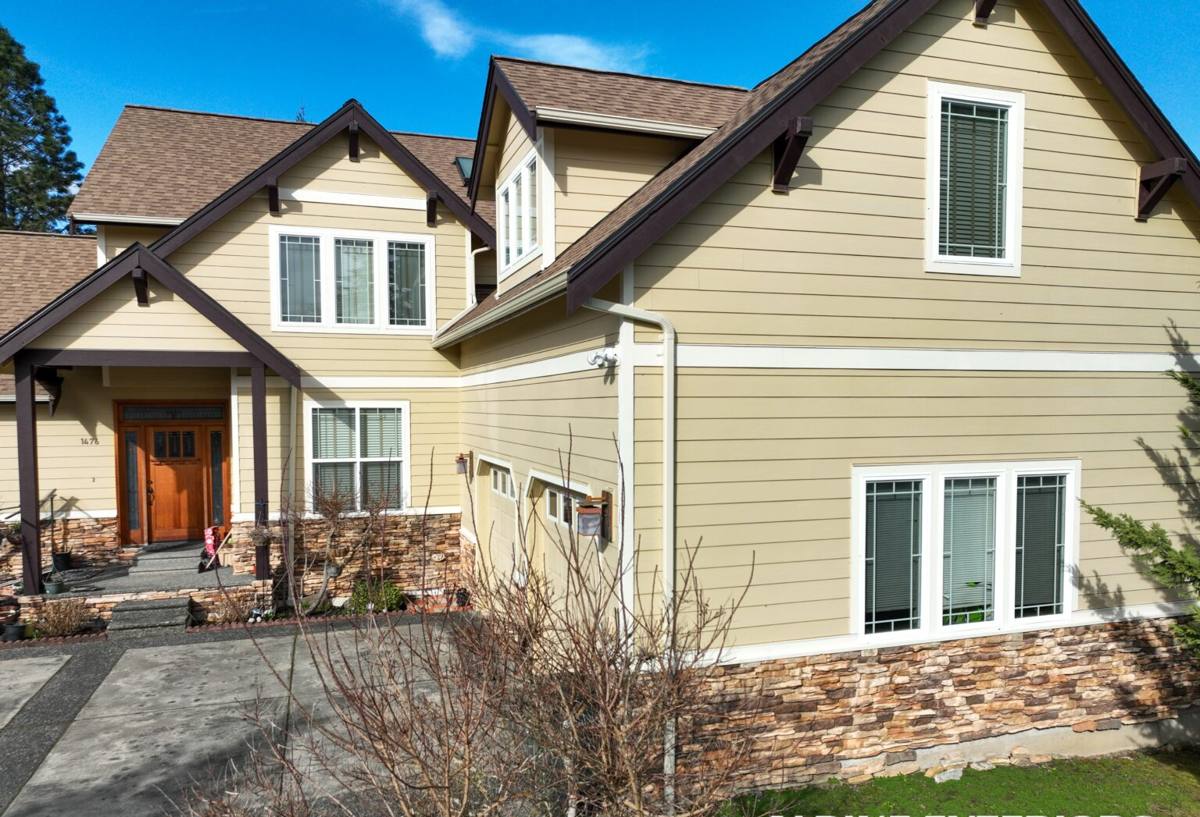
What Storm Damage Actually Looks Like on a Birch Bay Roof
Not all storm damage announces itself with a hole in the ceiling. Some of the most costly damage starts small and gets worse with every rain event that follows. Homeowners in Birch Bay should watch for:
- Shingles that are cracked, curling, or missing entirely after high wind
- Granules collecting in gutters or at downspout outlets — a sign the shingle surface is wearing through
- Flashing pulled loose around chimneys, skylights, or roof-to-wall transitions
- Soft or discolored patches on interior ceilings, especially near exterior walls
- Visible sagging in the roof deck, which can mean water has been getting in for a while
- Moss buildup that has lifted shingle edges, giving wind something to grab onto
That last one matters more here than in drier parts of the state. A roof that's already compromised by moss growth is far more vulnerable when a storm hits, because the moss has already been prying up the shingle edges wind needs to do the rest.
Why Salt Air, Driving Rain, and Moss Are a Combined Problem
Salt Air
Proximity to the water means airborne salt settles on roofing materials and accelerates corrosion on exposed metal — flashing, fasteners, gutter hardware, and vent caps. Once corrosion starts at a fastener or seam, that spot becomes the first place a storm finds an opening.
Wind-Driven Rain
Rain that comes in sideways off the bay doesn't behave like a straight vertical downpour. It gets pushed up under shingle edges and around flashing that would hold up fine in calmer weather. A repair that only addresses the surface damage and ignores how water moves under wind pressure tends to leak again during the next storm.
Moss Season
Whatcom County's wet, mild winters give moss months to establish itself on north-facing and shaded roof slopes. Moss holds moisture against the roofing material, works its way under shingle tabs, and — over a long enough season — degrades the surface from underneath. Storm damage repair on a moss-affected roof isn't complete unless the moss itself gets addressed, or the same failure point just reopens.
What a Correct Storm Damage Repair Actually Involves
Inspection Before Anything Else
We start on the roof, not just from the ground with binoculars. A proper inspection checks the shingle field, all flashing points, valleys, penetrations, and the roof deck itself where accessible, because storm damage often extends past what's visible from the yard.
Emergency Mitigation When It's Needed
If a storm has left your roof actively leaking or exposed, stopping further water intrusion comes first — tarping, temporary flashing, or securing loose materials — before we talk about the permanent fix. Waiting on a full repair while water keeps getting into the structure only turns a roofing problem into a bigger, more expensive one.
Matching Materials to This Exposure
Repairs use materials suited to coastal, high-moisture conditions — corrosion-resistant fasteners and flashing, underlayment rated for extended wet exposure, and shingle or roofing products that hold up under repeated wind-driven rain. A repair patched with whatever's convenient rather than what fits the exposure tends to become a callback.
Addressing the Cause, Not Just the Symptom
If moss contributed to the damage, or if a chronically wet valley or poorly ventilated attic space made the storm damage worse than it should have been, we point that out. A repair that ignores a contributing cause is a repair you'll be paying for again.
Our Process, Start to Finish
1. Contact and Initial Assessment
We gather details on what happened, when, and what you're seeing — leaks, missing material, visible damage — so we can prioritize based on urgency.
2. On-Site Inspection
We get on the roof, document the damage, and identify both the storm-caused issues and any pre-existing conditions (moss, aging flashing, worn underlayment) that factored in.
3. Clear Explanation and Estimate
You get a straightforward explanation of what's damaged, what needs to happen, and why — along with a written estimate before any work starts.
4. Repair or Replacement, Done Right
For most storm damage, targeted repair is the right call. If the damage is extensive enough, or if the roof was already near the end of its service life, we'll say so plainly rather than repairing around a bigger problem.
5. Final Walkthrough
Once the work is done, we walk you through what was repaired and what to watch for going forward, particularly if moss or drainage issues were part of the original problem.
Repair or Replacement: What Actually Tips the Decision
| Factor | Repair usually makes sense | Replacement usually makes sense |
|---|---|---|
| Extent of damage | Isolated to one section or slope | Spread across multiple areas of the roof |
| Roof age | Roof is well within its expected service life | Roof was already near end-of-life before the storm |
| Underlying deck | Deck is sound and dry | Deck shows rot or sustained water damage |
| Moss and wear history | Minor moss, otherwise healthy roofing material | Heavy moss damage combined with worn shingles |
| Insurance scope | Claim covers a defined repair area | Claim or inspection supports full roof replacement |
These are general guidelines, not guarantees — every roof is different, which is why the on-site inspection matters more than any rule of thumb.
Insurance Claims and Documentation
Most storm damage claims move faster when the damage is documented clearly and promptly. We photograph and document what we find during the inspection, which gives you something concrete to work with if you're filing a homeowner's insurance claim. We're not a public adjuster and we won't promise a claim outcome, but a clear, honest assessment of the actual damage — no more, no less — tends to hold up better with insurers than a vague or inflated one.
Why Local Experience in Birch Bay Matters
A crew that only shows up after a big storm, working from town to town, doesn't know which roofs in this area are prone to moss buildup, which slopes take the worst of the wind off the bay, or which flashing details tend to fail first in salt air. Working Birch Bay regularly means we've seen how roofs here actually perform over multiple seasons — not just what they look like the day after a storm. That matters when you're deciding whether a repair will genuinely hold or whether you're better off addressing a bigger issue now instead of after the next storm.
After the Repair: Keeping Your Roof Ahead of the Next Storm
A storm repair is a good moment to get ahead of the conditions that made the damage worse in the first place. A few habits go a long way in this climate:
- Have gutters and downspouts cleared before the fall storm season, so water isn't backing up under the roof edge
- Keep an eye on north-facing or shaded slopes where moss tends to establish first
- Trim back overhanging branches that hold moisture against the roof and drop debris into valleys
- Schedule a roof check after any significant wind event, even if nothing looks obviously wrong from the ground
- Address minor moss growth early, before it has a chance to lift shingle edges
- Keep attic ventilation clear, since trapped moisture speeds up deterioration from underneath
None of this prevents every storm from doing damage, but it does reduce how much damage a given storm causes — and that's usually the difference between a small repair and a much larger one.
If a recent storm has left your Birch Bay roof damaged, or you're not sure whether what you're seeing needs attention, we're glad to take a look. Reach out for a free, no-pressure estimate using the form below.