 Semiahmoo Exterior
 Building a Deck That Actually Holds Up in Birch Bay
Birch Bay sits close enough to the water that every deck built here is fighting a slightly different battle than one built ten miles inland. Salt-laden air moves off the bay and settles on everything — railings, fasteners, the underside of joists you never look at. Add Whatcom County's long stretch of driving rain and the shady, damp winters that keep moss thriving for months at a time, and you have a climate that will find every shortcut a builder took, usually within a couple of seasons. A deck that's framed, fastened, and finished for this environment will outlast one built to a generic spec sheet by years, not months.
This page covers what a Birch Bay deck actually needs, what correct construction looks like, and how we approach the work when a homeowner in this area calls us.
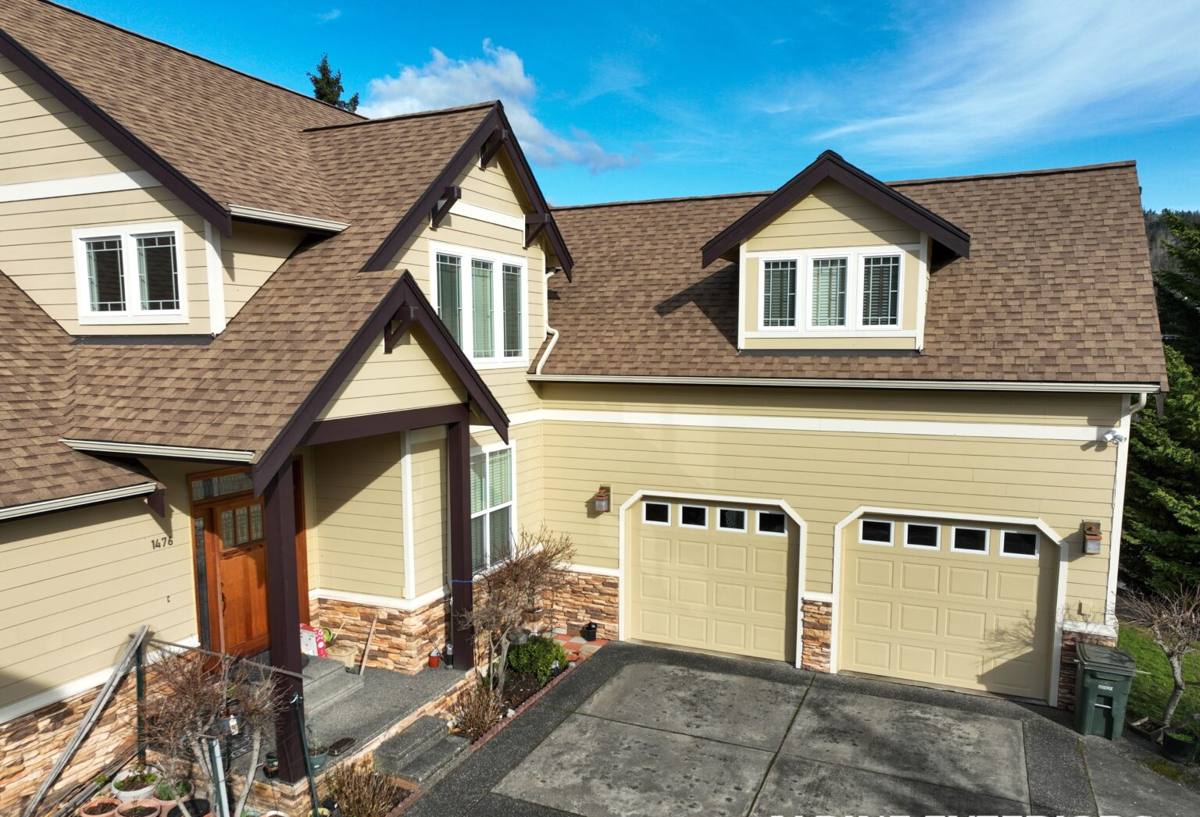
What Salt Air, Rain, and Moss Do to an Outdoor Deck
Salt Air and Metal Fasteners
Airborne salt accelerates corrosion on anything metal — screws, joist hangers, bolts, and post bases. On decks near the bay, the wrong fastener grade can start showing rust streaks and pitting in a few years instead of a couple decades. Once a fastener corrodes, it loses holding strength long before it looks obviously bad, which is why the specification matters more here than in a lot of other parts of the county.
Driving Rain and Ledger Board Rot
Where a deck attaches to the house — the ledger board — is the single most common failure point on decks anywhere, and Birch Bay's wind-driven rain makes it worse. Water pushed sideways by the wind finds any gap in flashing or fastening at that connection and works its way behind the siding and into the rim joist. That's a structural problem, not a cosmetic one, since the ledger is what carries a large share of the deck's load.
Moss Season and Slippery, Trapped Moisture
Whatcom County's moss season runs long — shaded, north-facing, or low-airflow decks can stay damp for weeks at a stretch through fall and winter. Moss and algae on decking boards aren't just an appearance issue; they hold moisture against the wood surface and create a genuinely slick, unsafe walking surface, especially on stairs. How a deck is framed for airflow underneath, and how tight the board spacing is, directly affects how bad this gets.
Choosing the Right Decking Material for This Climate
There's no single "best" decking material — there's a best fit for a given budget, look, and how much upkeep a homeowner actually wants to do. Here's how the common options hold up specifically under Birch Bay conditions.
| Material | How It Handles Salt Air & Moisture | Moss / Algae Behavior | Upkeep |
|---|---|---|---|
| Pressure-treated fir/hem-fir | Good if fasteners and hardware are corrosion-rated; wood itself resists rot when properly treated | Grows moss readily if not cleaned; needs periodic sealing | Moderate — annual cleaning, re-sealing every 2-3 years |
| Cedar | Naturally rot- and insect-resistant, ages well near salt air with maintenance | Still needs cleaning; darker grain can hide early growth | Higher — regular oiling or staining to keep its look |
| Composite decking | Doesn't absorb moisture or corrode; unaffected by salt exposure | Can still grow surface algae/moss film; needs washing, not sealing | Lower — periodic washing, no staining or sealing |
| PVC decking | Fully moisture-proof, best option where standing water or splash-back is a factor | Smooth surface sheds moss growth more easily than wood grain | Lowest — occasional rinse |
We don't push one product over another as a default. What we do insist on, regardless of decking material, is corrosion-rated fasteners and hardware and proper drainage underneath — those two things affect the structure whether the boards on top are cedar or composite.
What a Correctly Built Deck Involves
Footings and Framing
Footings need to be sized and set below frost depth and on undisturbed or properly compacted soil — this part of Whatcom County can have variable, moisture-holding soil close to the water, so we don't guess on footing depth or size. Framing lumber should be rated for ground contact where it's within splash range, and joist spacing tightened up where the decking material calls for it.
Ledger Attachment and Flashing
Given how much of a deck's rot risk starts at the ledger, this connection gets proper flashing — metal or membrane flashing installed so water sheds away from the house rather than behind it — plus lag bolts or through-bolts rated for the load, never just deck screws. This is the detail that's easiest to rush and most expensive to fix later, since fixing it usually means opening up siding.
Fasteners and Hardware
Given the salt exposure, we spec stainless steel or heavy hot-dip galvanized fasteners and connectors rather than standard coated screws, particularly for anything structural or close to grade. It costs a bit more up front and saves a full hardware replacement — or worse, a structural repair — down the road.
Drainage and Airflow
Ground-level and low-clearance decks need enough airflow underneath to let the framing dry out between rain events. Where clearance is tight, that can mean grading the ground beneath the deck to shed water, adding vents, or, in some cases, a below-deck drainage system so the space stays usable and dry rather than becoming a permanent damp pocket.
Cost Factors for a Birch Bay Deck Project
Every deck is priced on its own specifics, but these are the factors that move the number most for homes in this area:
| Factor | Why It Matters Here |
|---|---|
| Decking material chosen | Composite and PVC cost more per square foot up front than wood but shift maintenance cost forward instead of ongoing |
| Height and footing depth | Sloped lots near the bay often need taller framing and deeper or additional footings |
| Fastener and hardware grade | Stainless or heavy-galvanized hardware costs more than standard-coated but is not optional this close to salt air |
| Ledger and flashing work | Proper flashing at the house connection, especially on older siding, can add labor time but protects the structure |
| Railing style and code requirements | Guard height and baluster spacing are set by code and vary with deck height above grade |
| Site access | Tight side-yard or waterfront lot access can add time for material handling and equipment |
Our Process, Start to Finish
We keep the process straightforward so there aren't surprises partway through the build.
- Site visit — we walk the property, check the ground conditions, sun/shade exposure, and how close the deck will sit to salt spray or standing moisture
- Design and material discussion — honest talk about what fits the budget and how much upkeep the homeowner wants to take on long-term
- Permitting — Whatcom County and local jurisdiction permits are pulled as required before framing starts
- Footings and framing — built to the loads and depths the site actually needs, not a generic minimum
- Ledger, flashing, and structural connections — the part that determines whether the deck is still solid in ten years
- Decking, railing, and finish work
- Final walkthrough — we go over care basics with the homeowner before we consider the job done
Keeping a New Deck Ahead of the Moss
A well-built deck still needs a little seasonal attention in this climate. None of this is complicated, but skipping it is how moss and moisture problems get a foothold.
- Sweep debris and standing leaves off the deck surface regularly through fall
- Rinse or lightly scrub decking before moss gets a chance to establish, especially on shaded sections
- Check that gaps between boards stay clear so water keeps draining through, not pooling
- Inspect the ledger flashing and house connection once a year for gaps or staining
- Look over visible fasteners and hardware for early rust or corrosion
- Re-seal or re-stain wood decking on the schedule the product calls for — don't wait until it's visibly gray or worn
- Confirm underneath the deck stays ventilated and isn't trapping standing water against the framing
Why Hire a Crew That Already Works Birch Bay
A contractor who mostly builds decks inland can still build a structurally sound deck — but they may not default to corrosion-rated hardware, or think twice about ledger flashing on a house that catches wind-driven rain off the bay, simply because it's not what they run into every day. Working regularly in Birch Bay and the wider Semiahmoo area means those decisions aren't an afterthought — they're the baseline spec. It also means we're familiar with the local permitting process and the kind of soil and slope conditions common to lots in this part of Whatcom County.
If you're planning a new deck or replacing one that's showing its age, we're glad to come take a look and talk through what makes sense for your property. The form below gets you a free, no-pressure estimate — no obligation, just an honest read on the job.