 Semiahmoo Exterior
 Why Windows Wear Out Faster on Drayton Harbor
Homes along Drayton Harbor sit right at the edge of the Semiahmoo Peninsula, where the water is never far away. That proximity is part of what makes the area beautiful, but it's also what shortens the life of ordinary windows. Salt-laden air corrodes hardware, driving rain off the harbor finds every weak seal, and the region's long, damp moss season keeps wood trim and sills wet for months at a time. In Whatcom County, this isn't an occasional storm event — it's the everyday climate the windows have to live in, year-round.
A window that would hold up fine twenty miles inland can fail early here. Aluminum hardware pits and sticks. Wood sashes swell, stay swollen, and eventually rot at the corners. Weatherstripping that's rated for a milder climate compresses and loses its seal sooner. None of this means Drayton Harbor is a bad place to own a home — it means window replacement here has to account for conditions a generic install doesn't plan for.
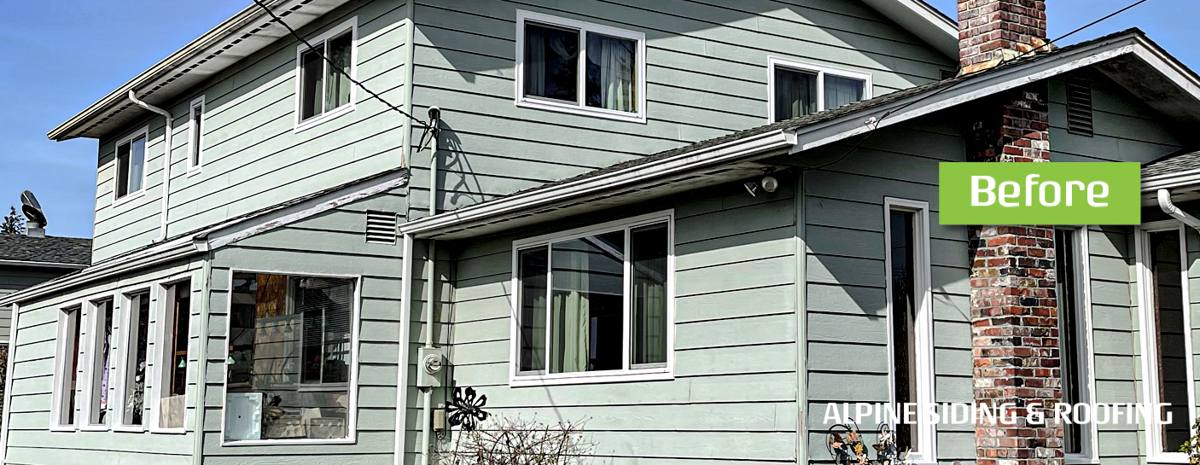
Signs a Window Is Losing the Battle
Marine-climate window failure is usually gradual, which is why a lot of homeowners live with it longer than they need to. Watch for these signs, especially on windows facing the water or prevailing wind:
- Fogging or a permanent haze between panes — the sealed gas fill has failed
- Sashes that stick, drag, or won't latch tightly anymore
- Soft or discolored wood at the sill or lower corners
- Visible corrosion or chalky white residue on hardware and frames
- A cold draft at the frame edge even with the window fully latched
- Moss or algae staining that keeps returning on the sill or exterior trim within weeks of cleaning
- Paint that bubbles or peels repeatedly in the same spot, even after repainting
Any one of these is worth a look. Several at once usually means the window and its surrounding flashing are both due for replacement, not just a fresh bead of caulk.
What a Correct Replacement Actually Involves
The window unit itself is only part of the job. Most of the failures we see in this area trace back to how the opening was sealed and flashed the last time around, not the window brand. Getting this right matters more here than in a drier climate.
Frame Prep and Flashing
Before a new window goes in, the opening needs to be checked for hidden rot, especially at the sill, where standing moisture does the most damage over time. Any soft framing gets cut back and replaced — installing a new window into a compromised opening just hides the problem for a few years. Flashing tape and sill pans are installed to direct any water that does get past the exterior cladding back out, rather than into the wall cavity. This step is invisible once the job is done, but it's the difference between a window that lasts and one that fails from the inside out.
Sealing Against Wind-Driven Rain
Rain coming off the harbor rarely falls straight down — wind pushes it sideways into the wall. That means standard caulking at the exterior trim isn't enough on its own. A proper install uses a layered approach: flashing behind the cladding, a continuous air seal around the frame, and exterior sealant as the final layer, not the only layer. Done this way, if one layer is ever compromised, the water still has somewhere to go besides your wall framing.
Hardware and Material Choices
Salt air is hard on unprotected metal. We favor corrosion-resistant hardware and finishes on installs near the water, and we're upfront when a particular style or finish is going to need more upkeep in this environment than it would inland. That's a maintenance conversation worth having before the order goes in, not after the hardware starts pitting.
Choosing a Window Material for a Marine Climate
There's no single "best" window material for every home — it depends on your budget, your home's style, and how much upkeep you want to take on. Here's how the common options actually perform in salt air, wind-driven rain, and heavy moss conditions:
| Material | Salt Air / Corrosion | Moisture Behavior | Upkeep |
|---|---|---|---|
| Vinyl | Very good — nothing to corrode | Handles moisture well; won't rot | Low — occasional cleaning |
| Fiberglass | Excellent — very stable in coastal air | Minimal expansion/contraction | Low — durable finish |
| Wood (unclad) | Poor unless finish is maintained | Absorbs moisture; needs sealed end grain | High — regular refinishing |
| Wood-clad (aluminum or vinyl exterior) | Good on the exterior; interior wood still needs care | Exterior protected; interior sensitive | Moderate |
| Aluminum | Prone to pitting without a marine-grade finish | Conducts cold and can condensate | Moderate to high near water |
For homes directly exposed to harbor wind and spray, we lean toward vinyl or fiberglass for most of the house, and reserve unclad wood for areas that are more sheltered — a covered porch or a wall that doesn't take direct weather. This isn't a knock on wood windows; it's just an honest read on what holds up with the least fuss in this specific setting. If the look of natural wood matters to you, wood-clad options give you that appearance on the interior while keeping the exterior face protected.
What Drives the Cost
Every quote is different, but the same factors move the price up or down on most Drayton Harbor jobs:
| Factor | Why It Matters |
|---|---|
| Frame material and glass package | Fiberglass and upgraded low-E/argon glass cost more upfront but need less attention over time |
| Extent of hidden rot at the opening | Sill and framing repair adds labor but is not optional if the wood is compromised |
| Number and size of openings | Larger or custom-sized windows cost more to fabricate and install |
| Exposure of the wall | Windows facing prevailing wind and water get extra flashing detail, which adds some labor |
| Full-frame vs. insert replacement | Full-frame costs more but is the right call when the existing frame or flashing has failed |
We give ranges, not guesses, and we explain what's driving the number on your specific home before any work starts. If a lower bid you've received skips flashing detail or frame inspection, that's usually why it's lower — and it's often the homeowner who pays for that gap a few years later.
How Our Process Works
On-Site Assessment
We start at the house, not over the phone. We look at each window from both sides, check the sills and lower corners for soft spots, and note which walls take the most direct weather off the harbor. That's what the quote is based on — not a generic per-window number.
Install Day
Old windows come out carefully so we can actually see the condition of the framing underneath before anything new goes in. Any rot gets cut out and replaced. New flashing and sill pans go in before the window itself, and the unit is set, shimmed level and square, and sealed in layers as described above. We keep the work area protected from weather as we go — an opening isn't left exposed overnight in this climate if we can help it.
Final Walkthrough
Every window gets operated, latched, and checked for a tight seal before we call the job done. We'll point out anything homeowner-side that's worth knowing — how to operate new hardware, what finish or sealant needs occasional attention, and what to watch for as the windows settle in.
Why Local Experience in Drayton Harbor Matters
A crew that mostly works inland can still install a window competently, but they haven't necessarily seen what a harbor winter does to a poorly flashed opening five years later. Working this specific stretch of Whatcom County repeatedly means we've seen which details actually matter here — where moss builds up and traps moisture, which exposures take the worst of the wind-driven rain, and how salt air treats different hardware finishes over time. That experience shapes the recommendations we make, not just the labor we perform.
It also means we're a known, reachable crew if a question comes up after the install — not a name from an out-of-area listing that's hard to track down for a warranty question.
Maintaining New Windows in a Salt-Air, High-Moss Climate
Even a well-installed window benefits from a little seasonal attention here:
- Rinse salt residue off exterior frames and hardware a few times a year, especially after windy weather off the water
- Keep sills and tracks clear of moss and debris so water doesn't sit and hold moisture against the frame
- Check exterior caulk lines once a year for cracking or separation and touch up early, before water gets behind it
- Operate hardware periodically through the wet months so it doesn't seize up from disuse
- Wipe down interior sills after heavy condensation events to avoid slow moisture buildup
None of this is a lot of work, but skipping it for a few years in this climate adds up faster than it would elsewhere.
If your windows on Drayton Harbor are drafty, fogged, sticking, or just past their prime, we're glad to come take a look and give you a straightforward, no-pressure estimate — including an honest read on whether it's the glass, the frame, or the flashing that needs attention. Use the form below to get started.