 Semiahmoo Exterior
 Siding Repair in Laurel: A Job Shaped by Our Coastline
Laurel sits close enough to the water and to the Semiahmoo shoreline that its homes take on a specific kind of weather stress — one that's different from what you'd deal with a hundred miles inland. Salt-laden air drifts in off the water, driving rain comes through sideways for days at a stretch in the winter months, and the wet, shaded stretches of the year give moss and algae months at a time to work into every seam and lap joint. Siding repair here isn't a generic job. It's a job that has to account for what this specific stretch of Whatcom County does to exterior materials, year after year.
This page is about one service, in one place: siding repair for homes in and around Laurel. Not a general "we fix siding everywhere" pitch — the specific damage patterns we see locally, what a correct repair actually requires, and why the crew doing the work should already know this area before they ever pull a piece of trim off your wall.
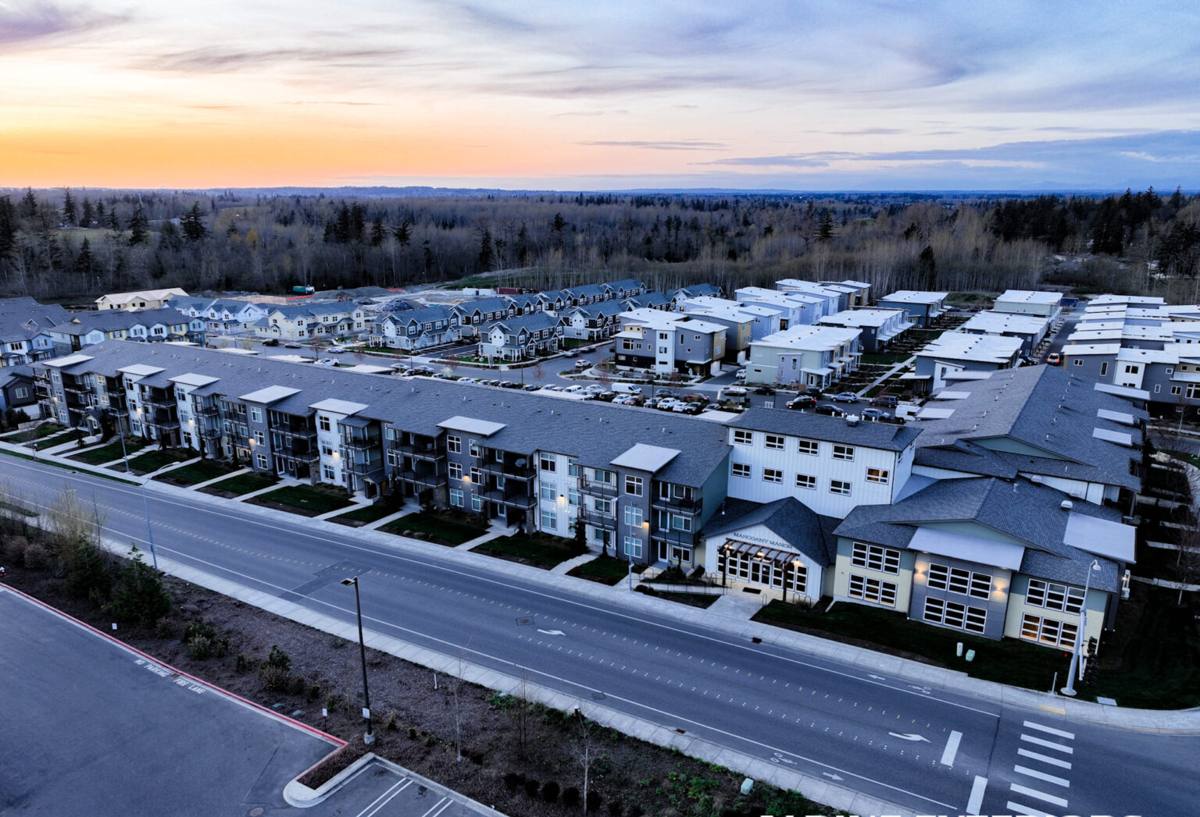
Why This Corner of Whatcom County Is Hard on Siding
Salt Air and Slow Corrosion
Proximity to the water means airborne salt settles on exterior surfaces even when there's no visible spray. Over years, that salt film accelerates corrosion on fasteners, flashing, and any metal trim that isn't properly rated or protected. On siding itself, salt exposure can also speed up finish breakdown on lower-grade or unfinished materials, leading to chalking, fading, and surface degradation faster than you'd see on the same product installed further inland.
Driving Rain and Wind-Driven Moisture
Storms off the water don't just fall straight down — they come in at an angle, which means water gets pushed up under laps, into butt joints, and behind trim that would stay dry in a calmer climate. Siding systems that rely on face-sealing (caulk alone, without proper flashing and drainage behind the cladding) tend to fail here faster, because wind-driven rain finds every gap that wasn't detailed correctly the first time.
The Long Moss Season
Cool, damp, and shaded conditions stretch across much of the year in this part of Washington, and that gives moss and algae a long runway to establish themselves on north-facing walls, under eaves, and anywhere airflow is limited. Moss holds moisture against the siding surface far longer than open air would, which turns a cosmetic nuisance into a real moisture problem if it's left to build up season after season.
Signs Your Siding in Laurel Needs Repair
Some damage is obvious. A lot of it isn't — it shows up as something small and easy to write off, right up until it isn't. Here's what we tell Laurel homeowners to actually watch for:
- Soft or spongy spots when you press on the siding, especially near the bottom courses or below windows
- Visible gaps opening up at butt joints, corners, or where siding meets trim
- Paint or finish that's bubbling, peeling, or chalking heavily in patches rather than evenly
- Moss or dark streaking that keeps coming back in the same spots no matter how often it's cleaned
- Warping, cupping, or boards that no longer sit flat against the wall
- Staining or discoloration on interior walls near exterior corners — often the first sign of water getting behind the siding
- Fastener heads that are rusting, popping out, or leaving streaks down the face of the siding
- A musty smell in a room that backs up to an exterior wall
Any one of these on its own might be minor. Several together, or any sign of moisture reaching the wall assembly behind the siding, means it's time for someone to actually open it up and look — not just patch the visible symptom.
What a Correct Siding Repair Actually Involves
Diagnosing the Real Cause First
The most common mistake in siding repair isn't bad material — it's fixing the symptom instead of the cause. Replacing a rotted board without figuring out why water got behind it in the first place just buys you a few more years before the same spot fails again. A correct repair starts with pulling back enough siding to see the water-resistive barrier, flashing, and framing underneath, so we know whether the damage is isolated or points to a bigger drainage or flashing problem.
Matching Material and Finish
Repaired sections need to match the existing siding in profile, exposure, and finish — otherwise you end up with a visible patchwork that ages differently than the rest of the wall. This matters even more on a house where the original siding is an older or discontinued product; sometimes a clean, honest repair means replacing a full wall section rather than trying to blend in a mismatched patch.
Getting the Flashing and Drainage Right
This is the step that actually prevents the next failure. Correct repair work re-establishes proper flashing at windows, doors, and penetrations, restores the drainage plane behind the siding, and makes sure water that does get past the surface has somewhere to go besides into your wall framing. Skipping this step is why some "repairs" fail again within a year or two.
Repair or Replace? How We Make That Call Honestly
Not every problem needs a full re-side, and not every problem should be patched. We look at the extent of the damage, the age and condition of the surrounding siding, and what's happening behind the wall before recommending either option.
| Situation | Usually Points To |
|---|---|
| Isolated rot or damage in a small area, siding elsewhere in good shape | Targeted repair |
| Recurring failures in the same spots after past patch jobs | Repair of the underlying flashing/drainage issue, not just the surface |
| Widespread warping, soft boards, or finish failure across multiple walls | Full or partial re-siding |
| Siding is an older or discontinued product with no reasonable match available | Section or full replacement |
| Moisture damage found behind the siding during inspection | Repair scope expands to address sheathing/framing, not siding alone |
We'll tell you plainly which category your house falls into, including when a repair is genuinely the right call and a full replacement would be overkill.
Why We Only Repair and Replace With James Hardie Fiber Cement
When we open up a wall for repair, we're not just patching whatever's already there — we're deciding what goes back in its place. Semiahmoo Exterior Company installs and repairs exclusively with James Hardie fiber cement siding. We don't install LP SmartSide, vinyl, Cemplank, Allura, primed spruce, or cedar, and that's a deliberate standard, not an oversight.
Fiber cement is non-combustible, which matters on its own merits, and it holds up to the specific stresses this climate creates — salt exposure, sustained moisture, and repeated wet-dry cycling — better than wood-based or vinyl alternatives over the long run. James Hardie's ColorPlus factory finish is baked on and warranted separately from the substrate, so repaired or replaced sections hold color consistency far better than field-painted alternatives exposed to this much salt air and rain. Hardie also engineers specific HZ product lines for climate zones like ours, and the product carries a strong, transferable warranty that matters if you ever sell the home.
When a repair calls for replacing a section of siding, we replace it with the same Hardie product system — not a mismatched patch of whatever's convenient. That's part of what makes the repair actually last.
Our Siding Repair Process in Laurel
- On-site inspection. We look at the visible damage and check surrounding areas — vents, windows, corners, roof-to-wall transitions — for related issues before quoting anything.
- Opening up the affected area. We pull back enough siding to see the water-resistive barrier and framing underneath, so the diagnosis is based on what's actually there, not a guess from the outside.
- Addressing the root cause. Flashing, drainage gaps, or sealant failures get corrected before anything new goes back on the wall.
- Repairing or replacing with matched Hardie material. We match profile and exposure to the existing siding wherever a clean match is possible, using James Hardie product and factory finish throughout.
- Finish detailing. Trim, caulking, and paint lines get finished so the repaired section reads as intentional, not patched-on.
- Final walkthrough. We show you what we found, what we fixed, and why — no vague summaries.
Cost Factors for Siding Repair
Every repair is priced on its own scope, but these are the factors that actually move the number:
| Factor | Why It Affects Cost |
|---|---|
| Extent of hidden moisture damage | Sheathing or framing repair adds scope beyond the siding itself |
| Accessibility of the damaged area | Second-story sections, tight setbacks, or steep terrain take more labor and setup |
| Availability of a matching profile | Discontinued or unusual profiles may require a larger replacement section for a clean match |
| Flashing and drainage corrections needed | Fixing the actual cause of water intrusion, not just the visible damage |
| Paint and finish blending | Matching factory ColorPlus finish versus field-painting a patched section |
We'll walk through these specifics for your home before any work starts, so there are no surprises once the wall is opened up.
Why Hiring a Crew That Already Works Laurel Matters
Siding repair done by someone unfamiliar with this stretch of Whatcom County often misses the details that actually matter here. A crew used to drier inland conditions may under-detail flashing because it's never had to deal with sustained wind-driven rain off the water. A crew that doesn't see moss-heavy jobs regularly may treat it as a surface cleaning issue instead of checking what's happening underneath. Knowing the local climate pattern — the salt exposure, the rain angle, the moss season — changes how a repair gets diagnosed and detailed, not just how it looks when it's done.
We work on homes throughout this area regularly, which means we're not guessing at what conditions your siding has been dealing with. We've seen the same failure patterns repeat across similar homes nearby, and that experience shapes how carefully we check for the underlying cause rather than just patching what's visible.
If you're seeing signs of siding damage on your Laurel home — soft spots, recurring moss, gaps opening up, or anything that just doesn't look right — we're happy to take a look and give you an honest read on what's actually needed. Reach out for a free, no-pressure estimate using the form below, and we'll walk the property with you before recommending anything.