 Semiahmoo Exterior
 Siding in a Spit-Between-Two-Bays Climate
Semiahmoo Resort sits out on the spit between Semiahmoo Bay and Drayton Harbor, which means homes here catch weather from two directions instead of one. That's a different exposure profile than a house a few miles inland in Blaine or elsewhere in Whatcom County, and it changes what "good siding" actually needs to do. Salt-laden air off the water, wind-driven rain that gets pushed sideways into wall assemblies, and a long stretch of the year where surfaces stay damp and shaded combine to punish siding that isn't built or installed for it.
This page is about one job, done right, in this one place: siding installation for homes in and around Semiahmoo Resort. We're not going to give you a generic siding overview — we're going to walk through what the local exposure actually does to a wall system, what correct installation looks like in response, and why the product and process matter more here than they would somewhere drier and further from the water.
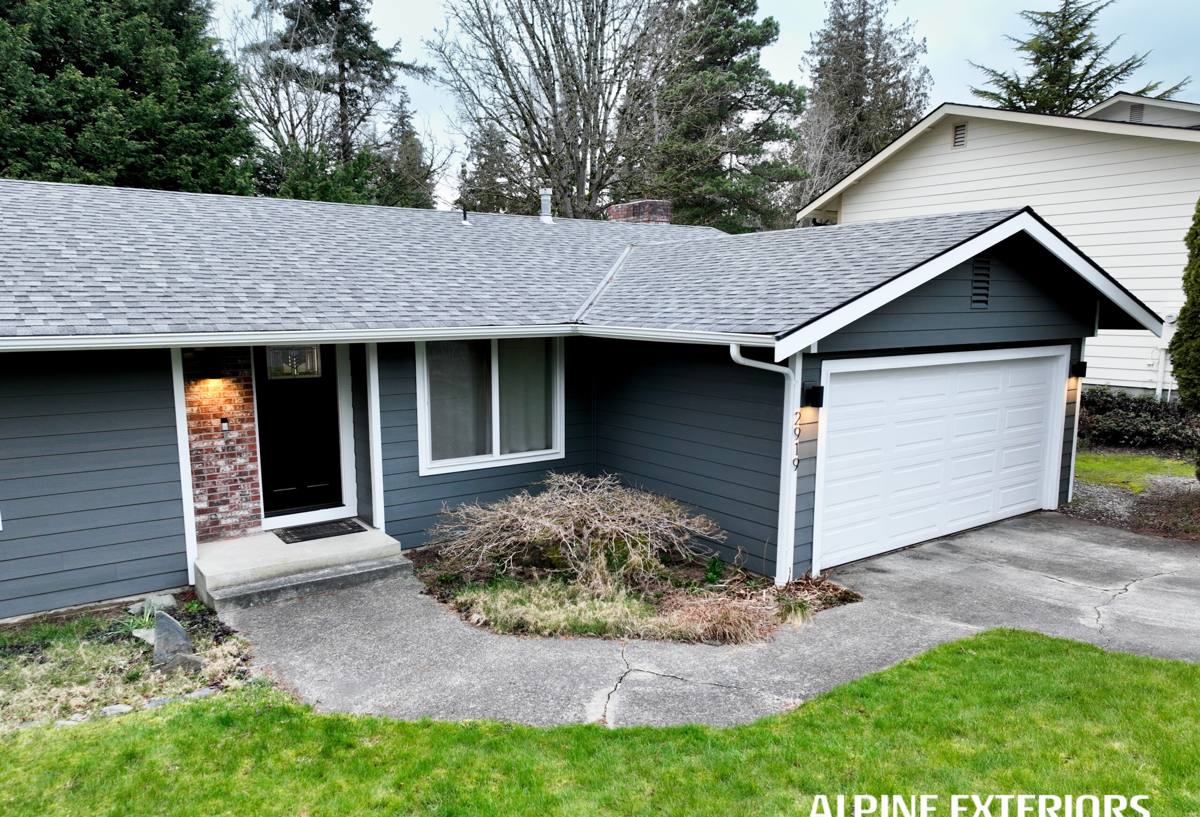
What Salt Air and Marine Exposure Do to Siding Over Time
Airborne salt is corrosive to metal and hard on anything that relies on paint film integrity to keep water out. Over years of exposure, homes near the water tend to show these patterns first:
- Fasteners and flashing that aren't corrosion-rated start to streak, stain the siding face, and eventually lose holding strength.
- Painted wood and composite trim chalks and thins faster on the water-facing elevations than on the sheltered sides of the same house.
- Caulk joints dry out and crack sooner, opening small gaps that let wind-driven rain track behind the cladding.
- Any siding material with even minor moisture sensitivity shows swelling, edge softening, or delamination first at the corners and butt joints facing the water.
None of this means a house near Semiahmoo Bay is doomed to fail early — it means the margin for error is smaller. Material choice, fastener choice, and installation detailing all matter more here than they would on a house sheltered well inland.
Moss, Shade, and the Long Wet Season
Whatcom County's marine climate keeps humidity high for much of the year, and Semiahmoo Resort's mature landscaping and tree cover add shade that slows drying even further. That combination — moisture plus shade plus mild temperatures — is exactly what moss and algae need to establish on north-facing walls, under eaves, and anywhere siding stays damp longer than it stays dry.
Why moss is more than cosmetic
Moss and algae growth isn't just an appearance issue. A mat of moss holds water against the siding surface for days after the rain stops, which extends the amount of time paint film, caulk, and any exposed wood fiber sit wet. On lower-quality siding materials, that prolonged wetting is what eventually leads to swelling, soft spots, or paint failure. On a properly installed fiber cement system, it's mostly a maintenance nuisance — but it still needs to be planned for in color choice, wall detailing, and cleaning schedule.
What Correct Siding Installation Actually Involves
A siding job is only as good as what's underneath it. In a wind-and-salt exposure like Semiahmoo Resort, the installation details matter as much as the siding brand on the label.
The water-management layers
Before a single piece of new siding goes up, the wall needs a continuous water-resistive barrier, correctly lapped so every seam sheds water downward, with flashing integrated at every window, door, and penetration — not caulked over as an afterthought. On exposed elevations facing the water, we pay extra attention to head flashing above openings and to how the barrier terminates at the foundation, since that's where wind-driven rain gets forced hardest against the wall.
The rainscreen gap
A small drainage gap between the water-resistive barrier and the back of the siding lets any moisture that does get past the cladding drain and dry instead of sitting against the wall sheathing. This detail matters everywhere, but it matters more on a site that stays damp as long as this one does.
Fasteners and hardware
Every fastener, flashing piece, and piece of trim hardware needs to be rated for the exposure it's going into. Near salt water, that means corrosion-resistant fasteners throughout, not just on the elevations facing the bay — wind carries salt air around a house, not just at it.
Joints, caulking, and factory-finished edges
Butt joints and trim transitions are where most siding failures start. Correct installation means back-priming or factory-sealed cut edges, proper joint spacing, and quality sealant applied to manufacturer spec — not just enough caulk to make a seam look finished.
Why We Install Only James Hardie Fiber Cement Siding
We standardized on James Hardie fiber cement and don't install vinyl, LP SmartSide, cedar, primed spruce, or other fiber cement brands. That's a deliberate choice, and it's especially relevant to a site like this one.
Fiber cement doesn't absorb moisture the way wood-based products can, and it's non-combustible — a real consideration as much of the Pacific Northwest deals with longer wildfire seasons. James Hardie's HZ5 product line is engineered specifically for climates like ours: freeze-thaw cycling, sustained damp conditions, and coastal exposure. The factory-applied ColorPlus finish is baked on under controlled conditions, which gives it better fade and moisture resistance at the surface than field-applied paint achieves — and it comes with a stronger, transferable warranty backing that finish. On a house facing direct wind and salt off the bay, a factory finish that isn't relying on a field paint crew's conditions on install day is a meaningful advantage.
We're not going to tell you every other siding product on the market is bad — vinyl, wood, and engineered wood all have real applications. But for what this specific exposure demands over the next 20-30 years, fiber cement installed correctly is what we're willing to put our name on.
How Our Process Works for Semiahmoo Resort Projects
1. On-site assessment
We start by walking the exterior, looking at which elevations take the most direct water and wind, checking existing trim and flashing condition, and noting any moss or moisture staining that points to a drainage problem worth fixing during the tear-off rather than covering up.
2. Tear-off and sheathing inspection
Once old siding comes off, we inspect the sheathing underneath for rot or soft spots before anything new goes on. Covering a hidden moisture problem with new siding just delays a much bigger repair.
3. Water-resistive barrier and flashing
New barrier goes on lapped correctly, with flashing detailed at every opening and penetration before the rainscreen and siding go up.
4. Hardie installation
Panels or lap siding go up per manufacturer fastening schedule, with corrosion-rated fasteners, correct joint treatment, and attention to the elevations that face the bay directly.
5. Trim, caulking, and final detail
Trim gets sealed and finished to spec, and we walk the whole exterior again before calling the job done.
6. Cleanup and walkthrough
We clear the site of old material and debris and walk the finished work with the homeowner.
Comparing Siding Options for This Exposure
Every siding material has trade-offs. Here's how the common options actually perform against salt air, wind-driven rain, and a long moss season specifically — not in a generic climate.
| Material | Moisture behavior | Salt-air durability | Maintenance in this climate |
|---|---|---|---|
| James Hardie fiber cement | Doesn't absorb/swell; dimensionally stable when wet | Strong; factory finish resists coastal fading | Occasional wash; no repainting cycle needed |
| Vinyl siding | Doesn't absorb, but can warp/distort at seams over time | Moderate; can chalk and become brittle | Low, but panels are hard to color-match if replaced |
| Cedar / wood | Absorbs moisture; needs consistent sealing | Vulnerable without diligent upkeep | High — repainting/staining on a recurring cycle |
| LP SmartSide (engineered wood) | Better than raw wood, but edge/joint sealing is critical | Sensitive if edges aren't maintained | Moderate to high; edge and joint inspection needed |
This isn't a case against every alternative — it's why, for a wind-and-salt exposure like Semiahmoo Resort, fiber cement is the material we're willing to stand behind.
Homeowner Maintenance Checklist for This Climate
Even the right siding installed correctly benefits from a little seasonal attention in this environment:
- Rinse siding annually, and more often on shaded or north-facing walls where moss establishes first.
- Check caulk joints around windows, doors, and trim each fall before the wet season sets in.
- Keep gutters clear so overflow doesn't run down the wall face and feed moss growth.
- Trim back landscaping that keeps siding shaded and slow to dry after rain.
- Have flashing and trim inspected every few years, especially on elevations facing the water directly.
Why Hiring a Crew That Already Works Semiahmoo Resort Matters
A resort community like this one often comes with its own considerations — shared aesthetic standards, gated access, and neighbors who notice a job site. A crew that's worked in the area already knows how to move materials and equipment through the site with minimal disruption, understands the wind and water exposure specific to homes out on the spit, and isn't guessing at what this climate does to a wall assembly over time. That local knowledge shows up in the details — where extra flashing attention actually matters, which elevations need it most, and how to sequence a job around Whatcom County's wet-season weather windows.
If you're planning a siding project for a home in Semiahmoo Resort, we'd be glad to take a look and give you a straightforward, no-pressure estimate — no invented urgency, just an honest read on what your home's exposure actually needs. Fill out the form below to get started.