 Semiahmoo Exterior
 Why Window Installation Looks Different on Drayton Harbor
Drayton Harbor sits right on the water, and that changes what a window installation actually needs to hold up over time. Homes here don't just deal with rain — they deal with salt-laden air blowing off the harbor, wind-driven rain that gets pushed sideways into wall assemblies, and a long stretch of the year where shaded, damp surfaces grow moss and algae. A window that's installed correctly in a dry inland climate can still fail early here if the crew doesn't account for what Whatcom County's marine exposure does to hardware, sealants, and framing over the years.
This page is specifically about window installation for homes in and around Drayton Harbor — not a general overview of windows. If you're weighing whether to replace, what materials make sense for this exposure, and what a correct install actually looks like, this is written for that decision.
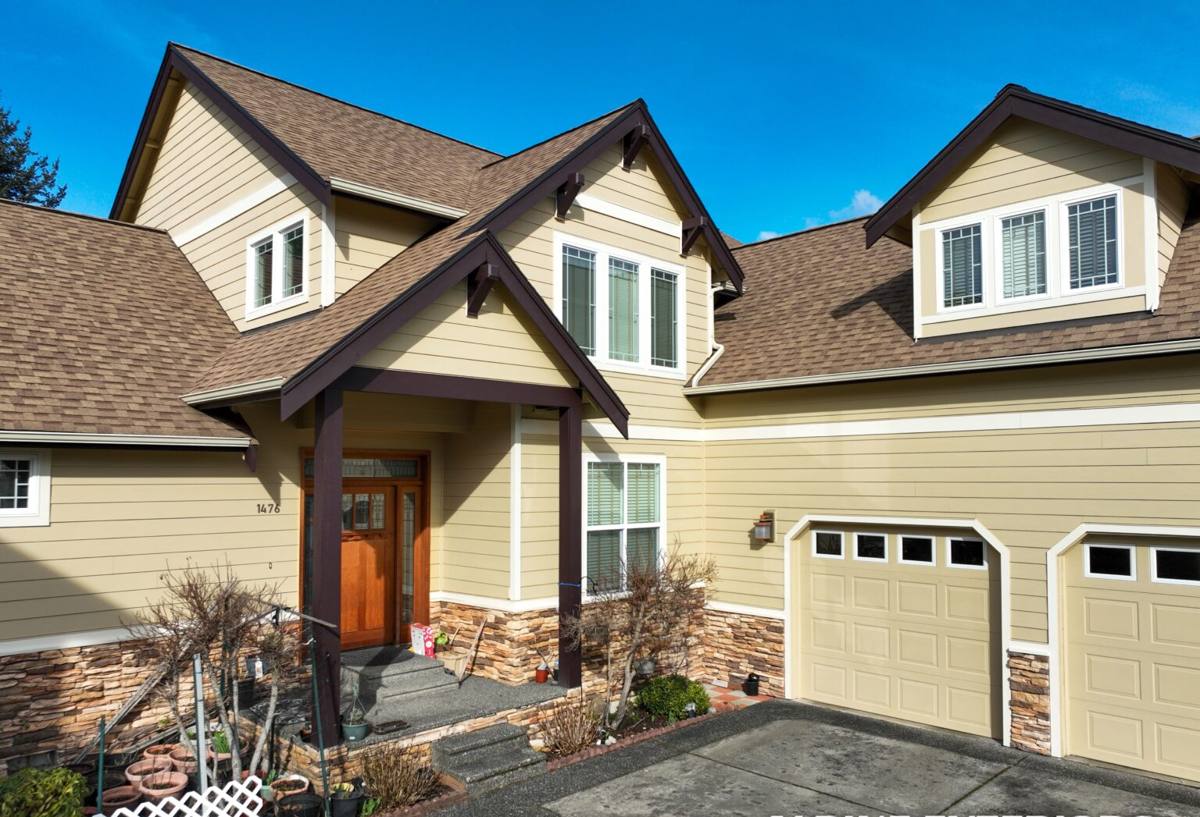
What Salt Air and Driving Rain Do to a Window Over Time
Hardware and Fasteners
Locks, hinges, balance systems, and exterior screws are usually the first thing to show wear in a salt-air environment. Lower-grade or mismatched hardware can start corroding within a few years of harbor-side exposure, even when the window frame itself is fine. Stainless or coated hardware rated for coastal use costs a little more but is not optional here — it's the difference between a window that still locks smoothly in year eight and one that's already stiff or pitted.
Frame Materials
Bare or poorly clad aluminum is the material most affected by salt air; it can pit and corrode faster than other options in a harbor-adjacent setting. Wood frames without a durable exterior cladding take on moisture from driving rain and need more frequent repainting or refinishing to avoid rot at the joints. Vinyl and quality fiberglass hold up better against salt exposure because there's no bare metal for the salt to attack, though the installation quality around them still matters more than the marketing on the box.
Moss, Algae, and Trapped Moisture
The Pacific Northwest's long damp season means north-facing and shaded window areas stay wet longer, and that's exactly where moss and algae take hold on sills, trim, and any horizontal surface that doesn't drain well. Moss holds moisture against the surface it grows on, which accelerates rot in wood trim and can work its way into gaps in aging caulk lines. A correct install gives water somewhere to go instead of somewhere to sit.
Choosing the Right Window Material for This Climate
There's no single "best" window material — there's a best fit for a given house, budget, and exposure. Here's how the common options actually perform against Drayton Harbor's specific conditions:
| Material | Salt Air / Coastal Rain Behavior | Maintenance | General Cost Tier |
|---|---|---|---|
| Vinyl | No bare metal to corrode; performs well against salt exposure; won't rot | Low — occasional cleaning | $ |
| Fiberglass | Very stable in wet, salty conditions; holds paint well if color changes are wanted later | Low to moderate | $$–$$$ |
| Wood (clad exterior) | Good if the exterior cladding is fully intact; failure point is any gap where moisture reaches bare wood | Moderate — watch cladding seams | $$$ |
| Wood (unclad exterior) | Struggles in driving rain and salt air without diligent upkeep; not our default recommendation for direct harbor exposure | High | $$–$$$ |
| Aluminum (uncoated/bare) | Most vulnerable to salt-air pitting and corrosion of this group | High | $–$$ |
We don't tell every homeowner to buy the most expensive option — a well-installed vinyl or fiberglass window will outperform a poorly installed premium wood window every time. Material matters, but installation quality matters more.
What a Correct Installation Actually Involves
Flashing and Moisture Barrier Integration
The single biggest factor in how a window performs here isn't the window itself — it's how it's tied into the wall's moisture barrier. Proper flashing at the head, jambs, and sill has to shed water down and out, layered correctly with any house wrap or building paper already on the wall, so wind-driven rain never gets a path behind the siding. Skipping or rushing this step is the most common reason a window that looked fine on install day starts leaking two or three winters later.
Sill Pan and Drainage
A sill pan under the window gives any water that does get past the exterior seal somewhere safe to drain, instead of soaking into the framing below. This is a small, inexpensive detail that's easy to skip and hard to fix later without removing the window — it belongs in every coastal install, not just the higher-end ones.
Sealant Selection and Placement
Not every exterior sealant is rated for constant damp, salt-exposed conditions. We use sealants chosen for this environment and we leave the correct weep points open so water that reaches the frame track can still drain out — a fully sealed frame with no way to drain traps moisture instead of shedding it.
Shimming and Square
A window that's out of square or improperly shimmed puts uneven stress on the frame, which can affect how well it seals over time and how smoothly it operates. This is a basic step, but it's also one of the easiest to shortcut on a fast job.
Our Process, Start to Finish
- On-site assessment: we look at existing window condition, framing, current flashing, and any signs of past moisture intrusion before recommending anything.
- Material and product discussion: we go over frame material, glazing options, and trade-offs honestly, based on your home's exposure and budget — not a one-size answer.
- Written estimate: clear scope, materials, and timeline, no vague allowances.
- Removal and prep: old window and any compromised trim or sheathing removed, framing inspected and repaired if needed before the new window goes in.
- Installation: correct flashing sequence, sill pan, shimming to square, and sealant appropriate for coastal exposure.
- Exterior finish work: trim, caulking, and paint or cladding detail brought back to a clean, weathertight finish.
- Final walkthrough: we check operation, seal, and drainage with you before calling the job done.
Energy Performance in a Marine Climate
Whatcom County doesn't see extreme heat, but it does see persistent dampness, cool temperatures, and the kind of humidity that can cause condensation on interior glass if a window's insulating value or installation is poor. Look for a reasonable U-factor for our climate and consider low-E glazing, which helps control heat loss without needing to chase the highest-end glass package on the market. A well-sealed, well-flashed installation does as much for comfort and condensation control as the glass spec itself — an expensive window installed with gaps in the moisture barrier will still perform poorly.
Common Mistakes We See From Rushed or Out-of-Area Installs
- Reusing old flashing or skipping flashing tie-in to save time
- Standard hardware used instead of corrosion-resistant hardware for harbor exposure
- Sealant applied over weep holes, trapping moisture inside the frame track
- No sill pan, leaving bare framing exposed to any water that gets past the seal
- Trim and caulk work rushed, leaving gaps where moss and algae take hold within a season or two
Most of these don't show up as a problem on install day — they show up two, three, or five winters later as a soft spot, a stuck sash, or a stain on the interior sill. That's exactly why installation quality matters more here than almost anywhere else in the region.
Checklist: What to Ask Before You Hire
- Do you use a sill pan and full flashing integration on every install, not just premium jobs?
- What hardware do you use, and is it rated for coastal/salt-air exposure?
- How do you handle weep holes and drainage in your sealant work?
- Have you worked on homes with direct harbor or waterfront exposure before?
- What's covered under your workmanship warranty, separate from the manufacturer's product warranty?
Why a Local Drayton Harbor Crew Matters
Salt air, driving rain, and moss season aren't abstract concerns for us — they're the conditions we install in every week. We know which details can't be skipped on a harbor-exposed wall, which materials hold up and which struggle, and how to sequence a job around Whatcom County's wet stretches so the wall assembly isn't left open to weather any longer than necessary. That local, repeated experience shows up in the small decisions — flashing sequence, hardware choice, sealant placement — that a crew unfamiliar with this specific coastal exposure might not think twice about.
If you're weighing a window replacement for a Drayton Harbor home, we're happy to take a look and give you a straightforward, no-pressure estimate — what your windows actually need, what it will cost, and why. Use the form below to get started.