 Semiahmoo Exterior
 Why Drayton Harbor Asks More of a Window Than Most Places Do
Drayton Harbor sits right where saltwater, wind, and rain all meet a house at once. Homes near the water here take on a steady dose of salt-laden air, which finds its way into hardware, weep holes, and any gap left by a sloppy install. Add in the driving, wind-pushed rain that comes off the Strait of Georgia and the harbor itself, and a window isn't just holding back weather in the abstract — it's being tested directly, season after season. Then there's the long moss season that Whatcom County is known for: cool, damp stretches that can run for months, where anything that traps moisture against wood or sits in constant shade stays wet far longer than it would inland.
None of this means Drayton Harbor is a bad place to have windows. It means the standard, big-box approach to window replacement — order a stock size, caulk it in, move on — tends to show its weaknesses here faster than it would in a drier, calmer part of the state. A window built and installed with this specific exposure in mind holds up. One that wasn't tends to show corrosion at the hardware, black growth at the sill, or fogged glass within a few years.
What "Custom" Actually Means for This Job
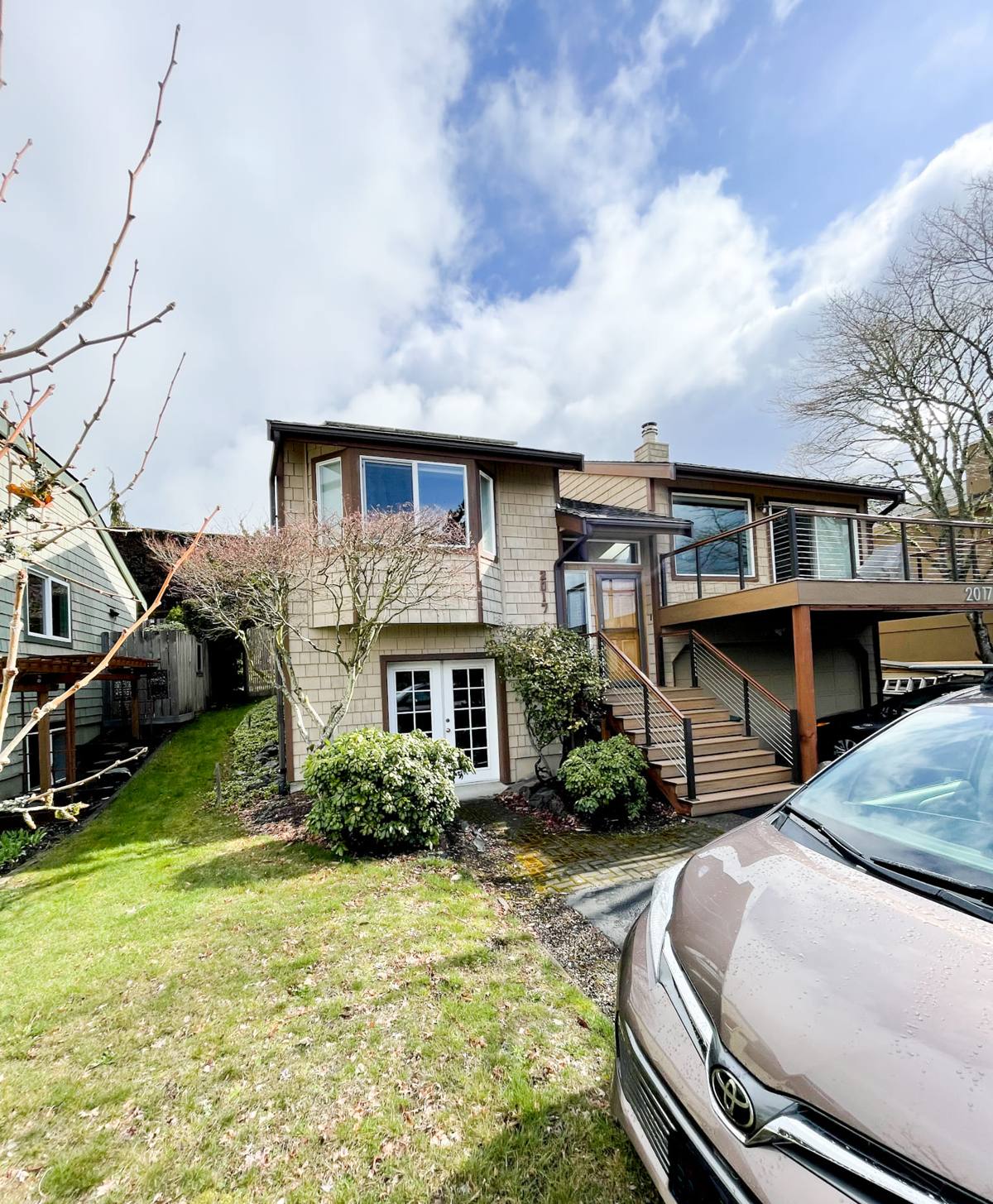
Custom doesn't just mean an unusual shape or a large picture window, though we do plenty of both. On most Drayton Harbor homes, custom means the window is built to the actual opening in your wall — not the nearest catalog size — so there's no shimming, packing, or oversized gap for water and air to work through. Older homes near the harbor were often framed before modern standard sizes existed, and decades of settling and moisture cycling can leave openings slightly out of square even on newer construction.
Custom sizing also lets us match glass performance, frame material, and hardware to the exposure of each specific wall. A window facing the harbor and prevailing weather doesn't need the same spec as one tucked on a sheltered side of the house. Treating every opening the same is how homeowners end up over-paying on the sheltered side and under-protected on the exposed one.
Where This Shows Up Most
- Additions or remodels where the rough opening doesn't match any stock size
- Older homes with settling that's put openings slightly out of square
- Water-facing walls that need a heavier-duty spec than the rest of the house
- Odd shapes — arched, angled, or oversized openings original to the home
Frame Materials: What Holds Up in Salt Air and Constant Damp
Frame material choice matters more here than in a lot of Washington's drier inland areas. Salt air accelerates corrosion on anything with exposed metal fasteners or hardware, and prolonged dampness during moss season is unforgiving toward materials that absorb moisture. We steer most Drayton Harbor customers toward vinyl or fiberglass frames for this reason — not because wood windows are a bad product, but because a painted wood frame in this exposure carries a real, ongoing maintenance burden: repainting on a schedule, checking for soft spots, and staying ahead of moisture before it gets under the finish. That's a legitimate choice for homeowners who want the look and are willing to keep up with it — we just want you deciding that with clear eyes, not finding out about it after a callback.
| Frame Material | Salt Air Behavior | Moss Season / Damp Behavior | Maintenance Load |
|---|---|---|---|
| Vinyl | Won't corrode; UV-stable finishes hold color | No moisture absorption; nothing to rot | Low — occasional cleaning |
| Fiberglass | Excellent corrosion resistance; very stable | No moisture absorption; dimensionally stable in temp swings | Low — occasional cleaning |
| Wood / Wood-clad | Interior wood fine; exposed wood needs protection | Vulnerable if finish is compromised | Higher — periodic repainting/resealing |
| Aluminum | Prone to corrosion in coastal salt exposure | Conducts cold, prone to interior condensation | Moderate, with corrosion watch |
Glass Packages: Managing Condensation, Not Just Insulation
Whatcom County's damp, moderate climate means the bigger issue for a lot of Drayton Harbor homes isn't summer heat — it's interior condensation during the cold, wet months. A window that isn't performing well thermally will fog or even drip on the inside during those long shoulder-season stretches when it's damp outside and warm inside. Double-pane windows with a low-E coating and argon gas fill are the practical standard for this climate and handle the vast majority of homes well. Triple-pane glass is worth discussing for north-facing rooms, water-facing walls that take the brunt of wind, or homes with a history of condensation complaints — it's a real upgrade in specific cases, not something we push on every job regardless of need.
Whatever the glass package, the spacer at the edge of the sealed unit matters as much as the glass itself in this environment. A warm-edge spacer resists the seal failure that shows up as fogging between the panes years down the line — a common complaint in the harbor's damp air.
Installation Details That Actually Matter Here
Most window failures we're called out to inspect aren't a product problem — they're an installation problem that the local climate eventually exposed. In a place with regular driving rain, the flashing and sealing details around a window are doing real work, not just satisfying a checklist.
What a Correct Install Looks Like
- Proper flashing sequenced so water sheds outward and down, never trapped behind the siding
- A continuous, compatible sealant bead at the exterior — not just caulk smeared over gaps
- Correct shimming so the frame isn't racked or stressed, which affects long-term seal performance
- Weep holes and drainage paths left clear and functional, not caulked shut
- Interior air sealing and insulation around the frame, addressing condensation risk from the inside out
Skipping any one of these tends not to show up on day one. It shows up two or three wet seasons later as staining, soft trim, or a musty smell — right in line with the kind of slow moisture damage this climate specializes in.
Our Process for a Drayton Harbor Window Job
We keep the process straightforward because window replacement doesn't need to be complicated to be done right.
- On-site assessment. We look at each opening individually — exposure, current condition, signs of past moisture issues, and what's actually causing any problems you've noticed.
- Measuring and spec. Every opening is measured as-is, not assumed to match a standard size. We recommend frame material and glass package per opening, not as a blanket package.
- Ordering and lead time. Custom units take longer to arrive than stock sizes — we'll give you an honest timeline up front so there are no surprises.
- Removal and installation. Old units come out, openings get inspected for hidden rot or damage before the new window goes in, and flashing/sealing is done to hold up to this specific climate.
- Walkthrough and cleanup. We check operation, sealing, and finish with you before we consider the job done.
Keeping Windows Performing Through the Moss Season
A well-installed window in the right material needs very little upkeep, but a few habits go a long way in this specific climate:
- Rinse salt residue off exterior frames and glass periodically, especially on harbor-facing walls
- Keep weep holes clear of debris, moss, and dirt so water can drain as designed
- Check exterior caulking annually, particularly after a hard winter, and address any cracking early
- Watch for condensation between panes — it signals a failed seal, not a cleaning issue
- Trim back vegetation that shades windows constantly, since prolonged shade extends how long surfaces stay damp
Why Local Experience with Drayton Harbor Homes Matters
A crew that mostly works inland doesn't get regular exposure to what salt air and constant harbor-side dampness do to a window installation over time. Working in and around Semiahmoo and Drayton Harbor consistently means we're the ones who see the callbacks — the failed seals, the corroded hardware, the sills that stayed wet too long — and adjust the spec and install details accordingly, rather than learning it secondhand. That local pattern recognition is the real value of hiring a crew that already works this specific area, not just Whatcom County in general.
Get a Straightforward Estimate
If you're weighing a window project for a Drayton Harbor home — one opening or the whole house — we're happy to take a look and give you a straightforward, no-pressure estimate based on what your home actually needs. There's a quick form below to get started.