 Semiahmoo Exterior
 Building a Deck That Actually Holds Up in Ferndale
Ferndale sits close enough to the water and to the Semiahmoo lowlands that decks here take a different kind of beating than decks built forty miles inland. Salt-laden air off the Strait works into fasteners and metal connectors. Long stretches of driving rain push moisture into anything that isn't properly flashed. And Whatcom County's mild, wet winters mean moss and algae get a running start every year, coating boards and stair treads long before summer traffic ever touches them. A deck built to a generic national spec often looks fine for a season or two, then starts showing its weak points: rusting hardware, soft spots at the ledger board, slick green boards by February. Building correctly for this specific climate isn't an upsell — it's what keeps a deck safe and usable for decades instead of needing major repair inside ten years.
What Ferndale Homes Need From a Deck
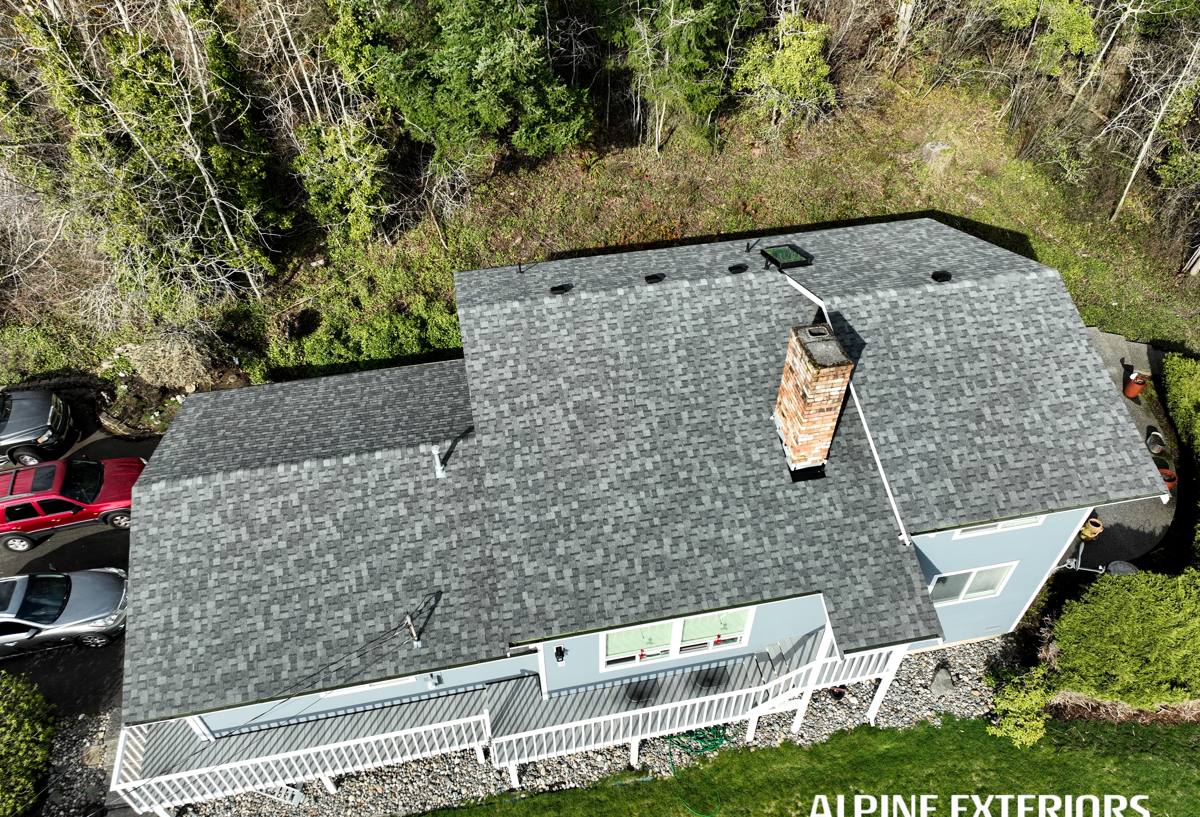
Most of the decks we work on in and around Ferndale fall into a few categories: rear decks off daylight basements and split-level homes, raised decks on sloped lots common in this part of Whatcom County, and smaller entry or side decks that see heavy foot traffic in wet shoes for most of the year. Each of these has different exposure and drainage needs, but they share the same underlying threats — standing water, trapped moisture behind ledger boards, and surface buildup of moss and algae on anything that doesn't drain and dry quickly.
A deck built for this area needs to do three things well: shed water fast, resist corrosion in every fastener and connector, and use a walking surface that doesn't turn into a skating rink under moss growth. Get those three right and the rest — layout, railings, finish — is mostly about how you want to use the space.
Where Moisture Gets In
The two most common failure points we find on older or poorly built decks in this area are the ledger board connection to the house and the framing directly beneath the decking surface. Both are largely invisible until the damage is advanced, which is exactly why they need to be done right the first time rather than patched later.
- Ledger boards without proper flashing that let water track behind the board and into the rim joist
- Joist tops without flashing tape, allowing water to sit on end grain and wick into the wood
- Post bases set directly in concrete or soil instead of on standoff hardware, trapping moisture at the post end
- Fasteners and hangers not rated for coastal/ACQ-treated lumber, which corrode and lose holding strength
- Decking laid tight with no drainage gap, holding water and organic debris between boards
Choosing Decking Material for This Climate
There's no single "best" decking material — there's a best material for how a given homeowner wants to maintain their deck and how much moss and moisture exposure the site actually gets. We walk every site before recommending anything, because a shaded, tree-covered lot in Ferndale behaves very differently from an open, sun-exposed one even a few streets over.
| Material | How It Handles Salt Air & Rain | Moss/Algae Behavior | Maintenance |
|---|---|---|---|
| Pressure-treated fir/hem-fir | Good if properly sealed; needs re-treatment on a schedule | Grows moss readily if not cleaned; textured grain holds spores | Annual cleaning, re-seal every 2-3 years |
| Cedar | Naturally rot-resistant, ages well with rain exposure | Still needs periodic cleaning; better natural resistance than fir | Cleaning and oil/stain every 2-3 years |
| Composite (capped) | Excellent — doesn't absorb moisture or swell | Can still grow surface algae; textured caps hide it better than smooth boards | Periodic washing, no sealing or staining |
| PVC | Excellent, fully moisture-resistant | Smooth PVC can get slick with algae faster; needs regular washing | Washing only, no sealing |
We're honest with homeowners about trade-offs rather than pushing one product. Composite and PVC decking cost more up front but remove the yearly sealing/staining cycle, which matters a lot in a climate where that maintenance window is short between rain systems. Wood costs less initially and can look excellent, but it only performs as well as the maintenance schedule behind it — skip a couple of years of sealing in this climate and you'll see it in soft, gray, moss-streaked boards.
Structural Details That Matter Here
Fasteners and Hardware
We use stainless or coated fasteners and connectors rated for treated lumber and coastal exposure. Standard zinc-coated screws and generic joist hangers corrode faster than the wood around them in salt-influenced air, and a rusted hanger is a hidden structural problem, not a cosmetic one.
Ledger Flashing
The ledger-to-house connection is the single most important waterproofing detail on any attached deck. We flash it with proper step and cap flashing so water sheds away from the rim joist instead of tracking behind the ledger board — the single biggest cause of hidden rot we find when replacing older Ferndale decks.
Footings and Post Bases
Whatcom County soils hold moisture longer than drier inland regions, so footing depth and post base hardware matter. We set posts on raised metal standoffs rather than burying them or resting them flush on concrete, keeping end grain out of standing water.
Drainage and Board Spacing
Proper gapping between boards, along with sloped framing where needed, keeps water moving off the deck instead of pooling. Pooled water is what feeds moss and speeds up rot in fasteners and framing alike.
Our Deck Building Process
- On-site assessment — we look at sun exposure, drainage, existing structure (for replacements), and how the space will actually be used.
- Material and layout discussion — honest pros/cons for your specific site, not a generic upsell pitch.
- Permitting — most raised and attached decks in Whatcom County require a building permit; we handle that process.
- Demo (if replacing) — including inspection of the rim joist and framing behind the old ledger board, which is often where hidden damage is found.
- Framing and flashing — built to the standards above, not just to minimum code.
- Decking, railing, and stairs installed — with attention to fastener placement and spacing for drainage.
- Final walkthrough — we go over care and maintenance specific to the material you chose.
Railings, Stairs, and Code
Railing height, baluster spacing, and stair geometry are governed by Washington state building code, and inspectors in this area check them closely on new decks. Beyond meeting code, we pay attention to how railings and stair treads handle moss and rain specifically — smooth, unribbed stair treads are a real slip hazard once moss gets a foothold, so we favor grooved or textured tread options on stairs even when the main deck surface is a smoother board.
Cost Factors for a Ferndale Deck Project
| Factor | Why It Affects Cost |
|---|---|
| Decking material | Pressure-treated lumber costs less upfront; composite/PVC costs more but reduces long-term maintenance |
| Height and grade | Raised decks on sloped lots need more framing, footings, and stair structure |
| Ledger/flashing work | Proper flashing and rim joist inspection adds labor but prevents costly hidden rot later |
| Railing style | Cable, glass, or custom railing systems cost more than standard baluster railing |
| Size and layout | Multi-level decks, built-in seating, or wraparound layouts add material and labor |
| Permit requirements | Attached and raised decks typically require permitting and inspection |
Because every lot and every homeowner's priorities are different, we don't quote decks off a square-footage formula. A firm number comes after we've actually looked at the site.
Signs an Existing Deck Needs Attention
If you're not sure whether your current deck needs repair, partial rebuild, or full replacement, these are the checks worth doing before winter rains set in:
- Press a screwdriver into the ledger board and rim joist area — soft or spongy wood means moisture has gotten in
- Check joist hangers and fasteners for rust or corrosion, especially near the ground and at the ledger
- Look for green or black staining on the underside of the deck, a sign of trapped moisture
- Test the railing for movement — loose posts often mean the attachment point has degraded
- Check stair treads for persistent moss regrowth even after cleaning, which can mean the boards are holding water
- Look at post bases — posts set directly in soil or concrete are more likely to have hidden rot at the base
Some of these are simple repairs. Others — particularly ledger and framing rot — are signs the deck should be rebuilt rather than patched, since the structural connection to the house is compromised.
Why a Local Crew Matters for This Job
Deck building isn't exotic work, but building one that holds up in Whatcom County's specific combination of salt air, sustained rain, and a moss season that runs most of the year takes local judgment. A crew that only builds decks in drier inland climates may not flash a ledger as aggressively as this area needs, or may default to fastener and hardware choices that aren't rated for coastal exposure. We work on homes throughout Ferndale and the surrounding Semiahmoo area regularly, so we know which details actually matter here versus which ones are just extra cost with no real benefit for this climate.
If you're planning a new deck or need an honest read on whether your current one needs repair or replacement, we're happy to come take a look. Fill out the form below for a free, no-pressure estimate.