 Semiahmoo Exterior
 Deck Building for California Creek Homes
California Creek sits close enough to the water that every deck built here has to answer to the same conditions: salt-laden air blowing off the water, long stretches of driving rain, and a moss season that seems to start earlier and end later each year. A deck that would hold up fine in a drier inland climate can start showing problems within a few seasons out here — soft spots, corroding hardware, slick surfaces, and finishes that fail long before they should. Building a deck that actually lasts in this neighborhood means designing and building around those realities from day one, not treating them as an afterthought.
This page covers what a properly built deck looks like specifically for California Creek conditions — the materials that hold up, the structural details that matter most, how our process works, and what to expect in terms of upkeep once the deck is in.
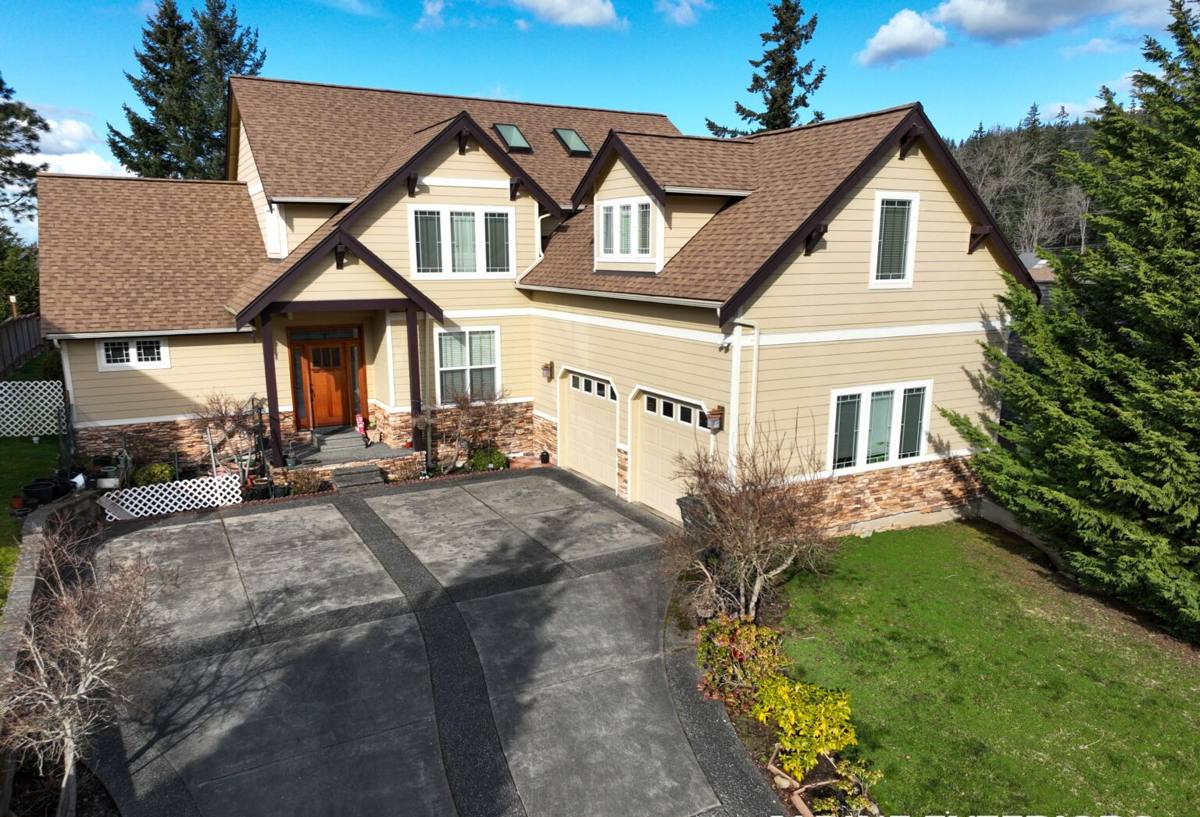
What Whatcom County's Coastal Climate Does to a Deck
Semiahmoo and the surrounding Whatcom County coastline get a specific combination of stresses that decks in most parts of the country never see all at once:
- Salt air corrosion: Airborne salt accelerates rust and corrosion on fasteners, brackets, and hardware — even hardware rated for general outdoor use can start showing rust streaks within a year or two if it isn't rated for marine or coastal exposure.
- Driving rain: Wind-driven rain doesn't just fall on a deck, it gets pushed sideways into ledger connections, under railing posts, and into any gap where end grain is exposed. Water that would run off on a calm-weather deck gets forced into joints here.
- Extended moss and algae season: Cool, damp, low-light conditions for much of the year mean moss and algae have a long runway to establish themselves on any surface that holds moisture, especially on the shaded or north-facing side of a house.
- Freeze-thaw cycling: Whatcom County gets enough cold snaps mixed with wet weather that trapped moisture in wood or concrete can freeze, expand, and slowly work joints and footings loose over time.
None of this means a deck can't hold up well here — it means the material choices and construction details need to account for it specifically, rather than defaulting to whatever's standard elsewhere.
Choosing the Right Decking Material
There's no single "best" decking material for every situation — the right call depends on budget, how much maintenance the homeowner wants to take on, and how exposed the deck is to sun, shade, and salt air. Here's how the common options actually perform under California Creek conditions:
| Material | Coastal/moisture performance | Maintenance | Typical lifespan here |
|---|---|---|---|
| Pressure-treated wood | Good if properly sealed and re-sealed; end grain and fastener points are the weak spots | Annual cleaning and re-sealing recommended | 15-20 years with upkeep |
| Cedar | Naturally rot-resistant but still needs sealing against driving rain | Sealing every 1-2 years | 15-25 years with upkeep |
| Composite decking | Doesn't rot or absorb water, but can still grow surface moss/algae in shaded, damp areas | Periodic surface cleaning, no sealing | 25-30+ years |
| PVC/capped decking | Fully water-resistant surface, best resistance to moss buildup and moisture absorption | Occasional rinsing | 25-30+ years |
We're honest with homeowners about trade-offs rather than pushing whatever's most profitable to install. Composite and PVC cost more up front but remove a lot of the maintenance burden that this climate creates for wood decking — for a lot of California Creek homeowners, that trade is worth it. For others who want the look and feel of real wood and are willing to keep up with sealing, cedar or pressure-treated lumber done correctly is still a solid choice. What matters most is that whichever material is chosen, it's installed with this climate's specific stresses in mind.
Hardware and Fasteners Matter as Much as the Decking Itself
A deck is only as good as what's holding it together, and this is where a lot of corner-cutting shows up over time. In a salt-air environment, standard galvanized fasteners can start corroding well before the decking itself shows any wear. We use stainless steel or coated fasteners rated for coastal exposure, along with corrosion-resistant structural hardware for joist hangers, post bases, and ledger connections. It costs more than standard hardware, but it's the difference between a deck that's still solid in fifteen years and one where hidden connections have quietly been rusting the whole time.
Structural Details That Matter in This Climate
Beyond material selection, a handful of structural and construction details determine whether a California Creek deck holds up or starts failing early:
Ledger Board Flashing
Where the deck attaches to the house is the single most common point of hidden rot on any deck, anywhere. In a driving-rain climate, proper flashing at the ledger board — installed so water is directed out and away from the house rather than behind the flashing — isn't optional. This is also one of the most common things we find done wrong or skipped entirely on older decks we're asked to repair or rebuild.
Footings Below the Frost Line
Whatcom County building code requires footings to be set below the local frost depth so freeze-thaw cycling doesn't heave and shift them over time. Skipping this or setting footings too shallow is one of the more common shortcuts that causes decks to develop uneven, springy, or sloping sections years down the road.
Airflow Underneath the Deck
Decks built low to the ground or against grade with poor airflow underneath trap moisture and become prime real estate for moss, algae, and rot in the framing. Proper clearance and grading underneath the deck lets air move through and dry things out between rain events, which matters a lot more here than in a drier climate.
Railing and Post Connections
Railing posts are a common weak point because they combine end grain exposure with structural load. We use connection hardware and flashing details that keep water from sitting at the base of posts, since that's where rot typically starts first.
Our Deck Building Process
Every deck we build in California Creek follows the same core process, adjusted for the specific site and homeowner's goals:
- On-site assessment: We look at sun exposure, drainage patterns, proximity to the water, existing grade, and how the deck will be used, before recommending materials or layout.
- Design and material selection: We walk through the trade-offs between wood, composite, and PVC decking honestly, based on the homeowner's maintenance preferences and budget — not a one-size-fits-all pitch.
- Permitting: Deck construction in Whatcom County generally requires a permit, and we handle that process, including making sure footing depth and structural specs meet current code.
- Site prep and footings: Footings are set to the required depth, with attention to drainage around them so standing water isn't sitting against concrete through the wet season.
- Framing with coastal-rated hardware: All structural connections use fasteners and hardware rated for salt-air exposure, not standard-grade hardware.
- Ledger flashing and waterproofing: Flashing at the house connection is installed to direct water away from the structure, not just tucked in as an afterthought.
- Decking installation: Boards are installed with attention to proper spacing for drainage and airflow, which also helps limit moss growth over time.
- Final walkthrough: We go over basic care and what to watch for, so the homeowner isn't guessing about maintenance once we're done.
Mistakes We See on Older or Poorly Built Decks
A lot of our deck work in and around California Creek is repair or rebuild work on decks that were built without this climate in mind. The recurring problems we see:
- Standard (non-coastal-rated) fasteners showing rust stains and weakening within a few years
- Missing or improperly installed ledger flashing, leading to hidden rot at the house connection
- Footings set too shallow, causing shifting or unevenness after repeated freeze-thaw cycles
- Decking installed tight against the house or grade with no airflow underneath, trapping moisture
- Wood decking that was never sealed, or hasn't been resealed in years, cupping and splitting
- Persistent moss and algae buildup on shaded sections due to poor drainage and board spacing
Any one of these on its own might not be a crisis, but they compound over time — and in this climate, they compound faster than homeowners usually expect.
Living With a Deck Through Moss Season
No decking material is completely maintenance-free in a climate with this much moisture and shade. What changes by material is how much work that maintenance actually is:
- Wood decks need periodic cleaning to remove moss and algae before it gets ground into the grain, plus resealing on a regular schedule to keep water out.
- Composite and PVC decking mainly need occasional rinsing or light scrubbing on shaded areas where organic growth tends to collect — no sealing required.
- Gutters and downspouts near the deck should be checked periodically, since redirected runoff onto or under a deck accelerates moss growth and moisture problems.
- Keeping vegetation trimmed back from the deck's shaded sides helps sunlight and air reach the surface, which slows moss regrowth naturally.
We're upfront with homeowners about this during the design phase, because the maintenance conversation matters just as much as the initial build quality — a well-built deck still needs some seasonal attention out here.
Why a Crew That Already Works California Creek Matters
Deck building isn't the same job everywhere. A crew used to building in a dry inland climate will default to standard materials and standard details, because that's what works where they usually build. Out here, those defaults cause problems — undersized flashing, standard-grade hardware, footing depths that don't account for local frost behavior, layouts that trap moisture instead of shedding it.
Working regularly in Semiahmoo and the surrounding Whatcom County coastline means we're not guessing at what this climate does to a deck over time — we've seen it firsthand, on the decks we've built and the ones we've been called out to repair. That shows up in the small decisions: which hardware grade we spec by default, how flashing gets detailed at the ledger, how board spacing is set for drainage. None of it is complicated, but all of it depends on actually understanding the conditions a California Creek deck has to survive year after year.
Get an Honest Estimate
If you're planning a new deck or replacing one that's showing its age, we're happy to come take a look, walk through material options honestly, and put together a straightforward estimate — no pressure, no upsell. Use the form below to request a free estimate for your California Creek property.