 Semiahmoo Exterior
 Roof Replacement Built for Sumas Conditions
A roof in Sumas doesn't fail the way a roof fails in a dry inland climate. Out here, the enemy isn't one big storm — it's the slow, steady combination of salt-laden air moving in off the water, long stretches of driving rain, and a moss season that can run most of the year in shaded, north-facing sections of a roof. Any one of those on its own is manageable. Together, over ten or fifteen years, they wear down materials and flashing details that were never designed with this combination in mind. When we replace a roof in this area, we're not just matching what was there before — we're building a system that's meant to hold up against the specific conditions this part of Whatcom County throws at it.
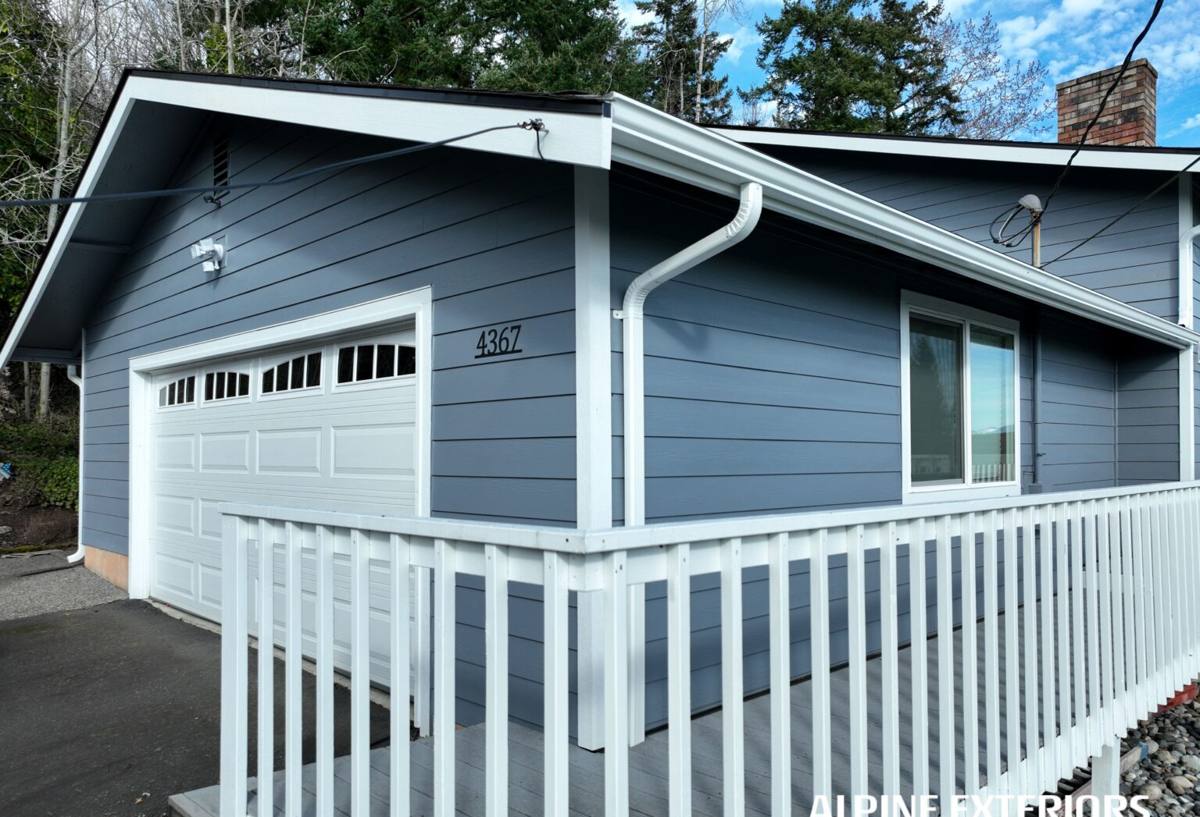
How Local Climate Actually Wears Down a Roof
Understanding the damage pattern is the first step in doing the replacement correctly.
Salt Air
Airborne salt accelerates corrosion on exposed metal — nail heads, flashing, gutter fasteners, and vent boots all take the hit faster here than they would further inland. A roof that looks fine from the ground can have flashing that's already rusting through underneath.
Driving Rain
Wind-driven rain doesn't just fall straight down — it gets pushed sideways and upward under shingle tabs, around valleys, and behind poorly lapped flashing. This is why so many leaks in this region trace back to valleys, chimney flashing, and roof-to-wall transitions rather than the open field of the roof.
Moss Season
Shaded slopes and north-facing sections stay damp long after the rest of the roof has dried out. Moss takes hold in that moisture, works its way under shingle edges, and lifts them just enough to let water in. Left unchecked for years, moss growth alone can shorten a roof's usable life by a third or more.
Signs a Sumas Roof Is Actually Due for Replacement
Not every aging roof needs full replacement — but there's a point where patching stops making financial sense. Here's what we look for during an inspection:
- Granule loss heavy enough that you can see bare, shiny patches on shingles from the ground
- Shingles that are cupping, curling at the edges, or cracking when lightly flexed
- Moss or algae staining that keeps coming back within a season of cleaning
- Soft spots or sagging when walked, especially near valleys or roof edges
- Daylight visible through the roof deck from inside the attic
- Rusted or lifting flashing around chimneys, skylights, and vent pipes
- Interior ceiling stains that reappear after every heavy rain, even after past repairs
- A roof already past 20-25 years old with multiple repair visits on record
If a roof is showing two or more of these, a replacement conversation is usually more cost-effective long term than continuing to chase individual repairs.
Choosing a Roofing System for This Climate
Material choice matters more here than in drier parts of the state. Below is an honest comparison of the systems we most commonly install or discuss with Sumas homeowners, weighed specifically against salt exposure, wind-driven rain, and moss resistance.
| Roofing Material | Moss Resistance | Salt/Corrosion Behavior | Typical Lifespan Here |
|---|---|---|---|
| Architectural asphalt shingle | Moderate — algae-resistant granules help but still needs periodic cleaning | Good when paired with corrosion-resistant fasteners and flashing | 20-30 years |
| Standing seam metal | High — smooth, steep surfaces shed moss growth well | Requires marine-grade or coated fasteners near the water; otherwise strong | 40-50+ years |
| Composite/synthetic shake | Moderate to high depending on product | Good — low metal content reduces corrosion concerns | 30-40 years |
| Wood shake/shingle | Low — natural wood retains moisture and feeds moss growth | Not a factor, but moisture retention is the bigger long-term concern | 15-25 years with heavy maintenance |
We don't push homeowners away from wood shake because it's a bad-looking product — it isn't. Our concern is maintenance burden: in a climate this wet and shaded in places, wood needs more frequent cleaning, treatment, and inspection to hold up, and the moisture retention that makes it feel natural is the same trait that shortens its life here. For most Sumas homes, we steer the conversation toward architectural shingle or metal because they ask less of the homeowner over the next two decades.
What a Correct Roof Replacement Actually Involves
A roof replacement done right is mostly about what happens under the new material, not the material itself. Steps we don't skip:
1. Full Tear-Off, Not Overlay
Installing new shingles over old ones traps moisture and hides deck problems. We remove the existing roofing down to the deck on every replacement.
2. Deck Inspection and Repair
Once the old roofing is off, we inspect the sheathing for soft spots, rot, or delamination — common where moss or slow leaks have been sitting against the deck for years — and replace any compromised sections before anything new goes down.
3. Ice-and-Water Barrier at Vulnerable Points
Valleys, eaves, and roof-to-wall transitions get self-adhering waterproof membrane underneath, since these are the exact areas driving rain finds a way into.
4. Synthetic Underlayment Across the Field
A high-quality synthetic underlayment gives a second line of defense across the whole roof, not just the high-risk zones.
5. Corrosion-Resistant Flashing and Fasteners
Given the salt exposure in this area, we use flashing and fastener materials chosen to resist corrosion rather than the minimum-grade hardware that's common in drier regions.
6. Balanced Ventilation
Intake and exhaust ventilation are matched so moist attic air actually gets out, rather than condensing against the underside of the new deck — a slow, invisible way roofs fail from the inside.
7. New Flashing at Every Penetration
Chimneys, skylights, and vent pipes all get new flashing, not reused flashing from the old roof — reused flashing is one of the most common causes of "new roof, same leak."
Our Process, Start to Finish
Every Sumas roof replacement follows the same sequence:
- Inspection and estimate — we walk the roof (or use a drone where access is limited), document its condition, and give you a clear, itemized estimate
- Material selection — we go through the tradeoffs above based on your home, budget, and how much roof maintenance you want to take on long term
- Scheduling — timed around dry-weather windows whenever possible to keep the deck protected during tear-off
- Tear-off and deck repair — old roofing removed, deck inspected and repaired as needed
- Waterproofing and underlayment — membrane and synthetic underlayment installed at all vulnerable points
- New roofing installation — shingles, metal panels, or composite material installed to manufacturer spec
- Flashing, ventilation, and detail work — the parts that determine whether the roof actually performs
- Final walkthrough and cleanup — full property cleanup, magnetic sweep for stray fasteners, and a walkthrough so you understand what was done and why
Timing the Job Around Whatcom County Weather
Roof replacement in this part of Washington isn't a year-round job in the way it might be somewhere drier. We plan around realistic dry-weather windows and keep a close eye on short-term forecasts once tear-off begins, because an open deck exposed to driving rain — even for a few hours — can undo a lot of the work a proper replacement is supposed to prevent. Homes closer to open water or with more coastal exposure get extra attention on timing, since wind-driven rain can move in faster there than it does further inland.
Why Hiring a Crew That Already Works Sumas Matters
Roofing crews that mostly work drier parts of the state don't always think in terms of moss cycles, salt corrosion, or wind-driven rain patterns — because they don't have to. A crew that works Sumas and the surrounding Whatcom County area regularly sees which flashing details fail first, which roof orientations hold moss the longest, and which fastener grades actually hold up near the water. That local pattern recognition is what separates a roof that looks right on installation day from one that's still performing correctly ten years later.
Maintaining a New Roof in This Climate
A correctly installed roof still benefits from a bit of upkeep given local conditions:
- Keep gutters clear so water isn't backing up under the roof edge during heavy rain
- Have moss growth addressed early on shaded, north-facing slopes rather than letting it establish
- Trim back overhanging branches that keep sections of the roof damp longer than the rest
- Schedule a flashing and fastener check every few years, especially closer to the water where corrosion moves faster
If your roof is showing its age or you're just not sure whether it's a repair or replacement situation, we're happy to take a look. Fill out the form below for a free, no-pressure estimate — we'll give you an honest read on where your roof stands and what it would actually take to fix it right.