 Semiahmoo Exterior
 Building Decks That Actually Hold Up in Laurel
Laurel sits close enough to the water and the weather patterns off Semiahmoo Bay that a deck built to a generic spec sheet rarely lasts. Homes here deal with salt-laden air, long stretches of driving rain through fall and winter, and a moss season that can run for months on any surface that doesn't drain and dry properly. A deck is one of the more exposed structures on a property — it sits low, catches runoff, and takes weather from every angle. Building one that holds up in this specific pocket of Whatcom County takes different choices than building the same deck fifty miles inland.
We've worked enough properties in and around Laurel to know which details matter and which ones are just extra cost. This page walks through what we actually do differently here, not a generic rundown of deck features.
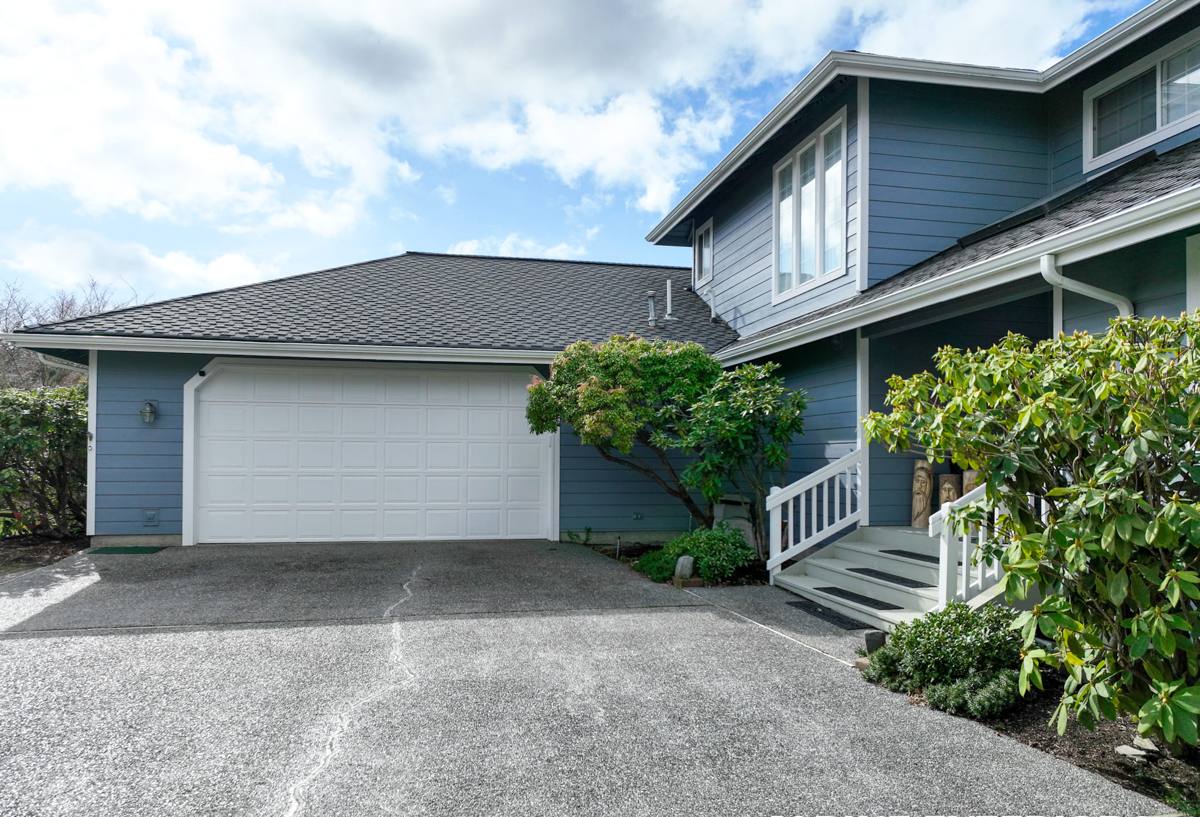
What Laurel's Climate Does to a Deck Over Time
Salt Air and Metal Fasteners
Proximity to the bay means airborne salt settles on every exterior surface, including your deck's hardware. Standard fasteners and connectors corrode faster here than they would twenty miles inland. Once a fastener starts rusting, it can stain the surrounding wood or composite, weaken its grip, and eventually fail — usually at the worst possible time, like a ledger board connection or a stair stringer.
Driving Rain and Water Intrusion
Rain in this region doesn't just fall straight down — wind-driven rain gets pushed sideways into ledger connections, under railing posts, and into any gap where flashing was skipped or done poorly. Over years, that moisture works its way into framing members you can't see from the surface, and by the time it shows up as a soft spot or a sagging joist, the damage is already done.
Moss, Algae, and Surface Traction
A long moss season means any decking surface with poor drainage or the wrong texture turns slick and green fast. This isn't just cosmetic — it's a real slip hazard on stairs and ramps, and moss that's left to grow holds moisture against the board surface, accelerating rot in wood and staining in composite.
What a Correctly Built Deck Includes Here
A deck built for Laurel's conditions isn't fundamentally different in concept from a deck anywhere else — it's the details in execution that separate a structure that lasts fifteen-plus years from one that needs major repair in five.
- Stainless steel or coated corrosion-resistant fasteners and structural connectors, not standard galvanized hardware, given the salt air exposure
- Proper ledger board flashing with a drainage gap or flashing tape system that sheds water away from the house, not into it
- Joist tape or cap protection on framing lumber to slow water absorption at the most vulnerable point — the top of the joist
- Decking material and board spacing chosen for drainage and airflow underneath, so moisture doesn't sit trapped against the structure
- A surface texture or material with real wet-weather traction, not just a smooth finish that looks good dry
- Post bases that keep wood posts off the ground or slab surface, away from standing water and splash-back
- Railing and stair connections detailed to shed water rather than pocket it at horizontal surfaces
Decking Material Options for This Climate
There's no single "best" decking material — it depends on your budget, how much upkeep you want to do, and how you use the space. Here's how the common options actually perform under Laurel's conditions specifically.
| Material | How It Handles Salt Air & Rain | Moss/Algae Behavior | Maintenance Reality |
|---|---|---|---|
| Pressure-treated wood | Good if fasteners and flashing are corrosion-resistant; wood itself is forgiving of moisture cycling | Needs periodic cleaning or it will host moss like any wood surface | Refinish/reseal every 2-3 years to keep water repellency up |
| Cedar or other natural wood | Naturally moisture-resistant but still needs the same hardware precautions | Moss grows on it same as any wood without regular cleaning | More frequent finishing to maintain appearance and weather resistance |
| Composite decking | Very stable in wet/dry cycling and salt exposure; won't rot | Can still get slick with algae film; grooved/embossed textures resist it better than smooth | Low — periodic washing, no refinishing needed |
| PVC decking | Excellent moisture resistance, doesn't absorb water at all | Similar algae film risk as composite; texture matters | Low — occasional cleaning |
Design Choices Specific to Laurel Properties
Drainage-First Layout
Before we talk about railing style or board color, we look at where water goes once it hits the deck. That means grading the framing for slight drainage, keeping board gaps consistent for water to escape, and making sure the space under the deck isn't a trap for standing moisture that will eventually rot the structure from below.
Orientation to Wind and Rain
Where reasonable, we think about how the deck is oriented relative to prevailing wind and rain direction off the bay. A covered section, a windbreak, or simply adjusting where the open versus sheltered areas fall can make a real difference in how much weather the deck surface actually takes on over a year.
Stair and Railing Safety in Wet Conditions
Given the moss season, stairs get extra attention — proper tread spacing, textured or grooved surfaces, and railing details that don't create flat, water-holding ledges. This matters more on a deck with any elevation change than it does on a single-level patio-style deck.
Our Process for a Laurel Deck Project
- On-site assessment — we look at your home's existing ledger connection, grade, drainage patterns, and sun/wind exposure specific to your lot
- Design and material walkthrough — we go over decking options, layout, and any covered or partially covered sections given your use of the space
- Permitting — we handle the paperwork and inspections required for your jurisdiction so the structure is built and signed off correctly
- Structural build — framing, flashing, and fastener details are done to the corrosion- and moisture-resistant standard described above, not a stripped-down minimum
- Decking and railing installation — surface material, board spacing, and railing are installed with drainage and traction as design priorities, not afterthoughts
- Final walkthrough — we go over maintenance expectations for your specific material choice so you know what upkeep actually looks like year to year
Maintenance Realities for Laurel Homeowners
Whatever material you choose, a deck in this climate needs some seasonal attention — the difference is how much. Wood decks need periodic cleaning and refinishing to keep their protective coating intact against rain cycling. Composite and PVC decks need less, but "low-maintenance" doesn't mean "no-maintenance" — algae film still needs washing off periodically, especially on shaded or north-facing sections that stay damp longer.
- Clear leaves and debris from board gaps and drainage paths each fall, before the wet season sets in
- Wash surfaces periodically through moss season rather than waiting until growth is heavy and established
- Check fastener heads and connectors annually for early signs of corrosion staining
- Keep gutters and downspouts near the deck clear so runoff isn't dumping extra water onto the structure
- Reseal or refinish wood decking on the schedule your specific product recommends, not "when it looks bad"
Why Local Experience on This Specific Job Matters
A crew that's built decks across Whatcom County and around the Semiahmoo area already knows which hardware corrodes too fast here, which decking textures actually stay safe underfoot through moss season, and how local wind-driven rain finds its way into a poorly flashed ledger board. That's not something you get from a generic spec sheet — it's the result of having repaired the failures that come from skipping these details, and having built enough decks in this exact environment to know what holds up. A deck project in Laurel isn't the place to use a one-size-fits-all approach.
Cost Factors to Understand Before You Budget
Deck pricing varies with size, material, elevation/height, railing style, and site access — there's no flat per-square-foot number that's honest across every project. What we can tell you is which factors move the number most: material choice (wood versus composite versus PVC) typically has the biggest swing, followed by structural complexity like multiple levels, stairs, or built-in seating, and then site conditions like slope, existing structure removal, or difficult access for equipment. We'll walk through these factors specifically for your property and your goals during an estimate, rather than quoting a number that doesn't reflect your actual site.
If you're planning a new deck or replacing one that's showing its age in Laurel, we're happy to walk your property, look at your specific exposure and drainage situation, and put together a straightforward, no-pressure estimate using the form below.