 Semiahmoo Exterior
 Siding That Has to Work in Drayton Harbor's Weather
Drayton Harbor sits right where the water meets the land, and that location shapes everything about how a home's exterior ages here. Homes close to the harbor take on salt-laden air, wind-driven rain that comes in sideways off Semiahmoo Bay, and a wet season that stretches long enough for moss and algae to get a real foothold on north- and west-facing walls. Siding here doesn't get judged on how it looks the day it's installed. It gets judged on how it looks and performs five, ten, and twenty years later, after a few hundred rounds of soaking, drying, and salt exposure.
We install James Hardie fiber cement siding exclusively, and Drayton Harbor is a good example of why. This is a product category built to shrug off exactly the conditions this stretch of Whatcom County throws at a house. Below we'll walk through what that means in practical terms for homes in and around Drayton Harbor, what a correct installation actually involves, and how our process works from first look to final walk-through.
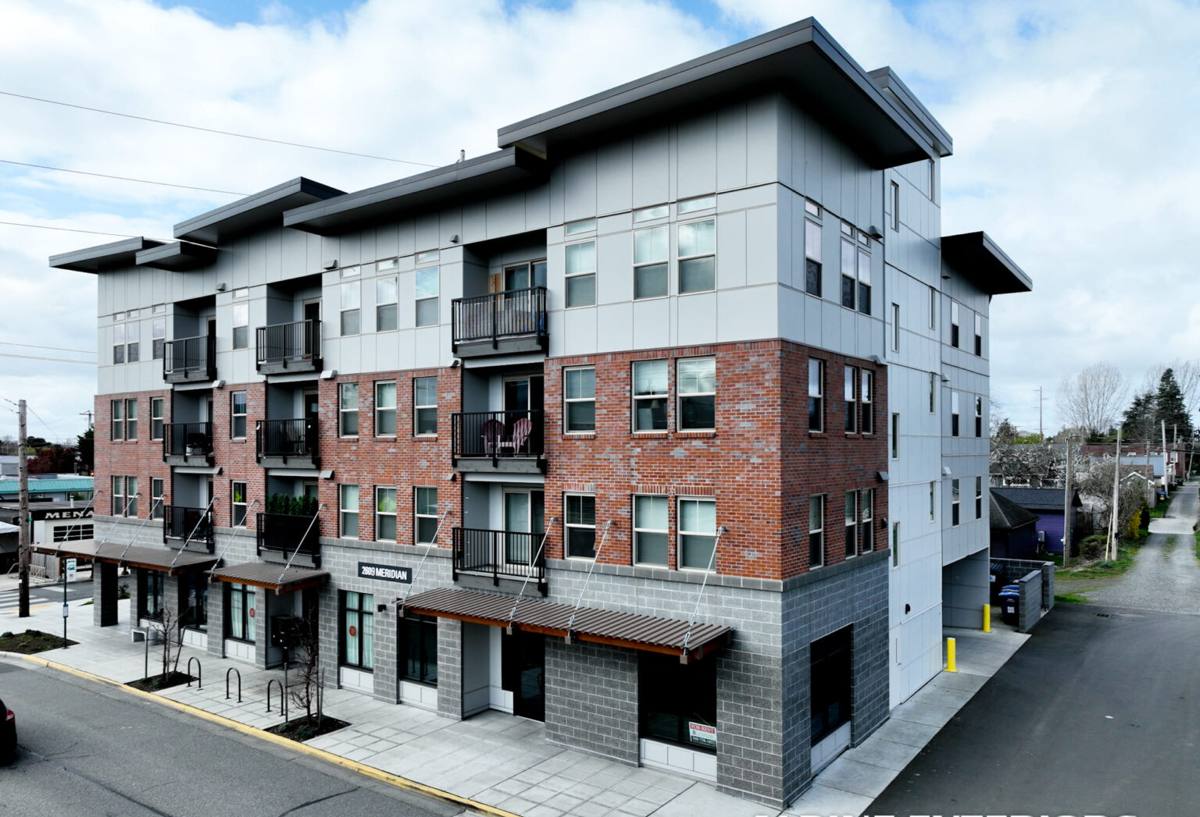
What the Salt Air and Moisture Actually Do to a Home
Salt Air
Airborne salt from Semiahmoo Bay settles on every exterior surface within reach of the wind, not just the walls facing the water. It accelerates corrosion on fasteners, trim, and hardware, and it can leave a fine residue that holds moisture against a wall surface longer than it would otherwise sit there. Materials that aren't dimensionally stable or that rely on paint film alone for protection tend to show their weaknesses fastest in this kind of environment.
Driving Rain
Wind off the water doesn't just fall as rain, it pushes rain sideways and up under laps, trim, and joints that would stay dry in a calmer climate. That means every seam, joint, and penetration in a home's exterior has to be detailed correctly, not just caulked and hoped for. A siding system that swells, wicks water, or delaminates when it takes on moisture will eventually let that water find a way behind it.
Moss and Algae Season
Whatcom County's wet months run long, and shaded or north-facing walls near the harbor can stay damp for days at a stretch. Any surface that holds surface moisture becomes a place for moss, algae, and mildew to establish themselves. That's a cosmetic problem at first, but persistent organic growth also traps moisture against the siding surface, which compounds every other issue on this list over time.
Why We Standardized on James Hardie for This Kind of Climate
James Hardie fiber cement is engineered from cement, sand, and cellulose fibers, which makes it dimensionally stable in a way that wood-based and many wood-hybrid products aren't. It doesn't swell and contract with moisture the way engineered wood products can, it's non-combustible, and it holds its factory-applied ColorPlus finish far longer than field-applied paint typically lasts on other siding materials. For a harbor-adjacent property, that stability matters more than it does for a home set back inland, because the moisture cycling here is more frequent and more aggressive.
James Hardie also builds region-specific product engineering into its HZ5 line for areas that see cold, wet weather, which fits the Pacific Northwest better than a one-size-fits-all siding product does. We don't install LP SmartSide, vinyl, Cemplank, Allura, primed spruce, or cedar. Each of those has legitimate use cases somewhere, but for the specific combination of salt air, driving rain, and long moss seasons that Drayton Harbor deals with, we've made a professional judgment that Hardie is the product that holds up best over the long run, and it's the only one we put our name behind.
What a Correct James Hardie Installation Involves Here
The product is only half the equation. Installation quality determines whether a home actually gets the performance James Hardie is engineered to deliver, especially in a wet, salt-exposed environment like this one.
- Correct starter strip and flashing at the foundation line, since this is where splash-back and standing moisture do the most damage over time
- Proper weather-resistive barrier and rainscreen or drainage plane detailing so any moisture that gets past the siding can drain and dry out
- Manufacturer-specified nailing patterns and fastener spacing, using corrosion-resistant fasteners appropriate for a coastal-influenced environment
- Correctly sized gaps at butt joints, corners, and around windows and doors, caulked with a quality sealant rated for exterior movement
- Careful flashing and kick-out details above windows, doors, and roof-to-wall intersections, which are the most common places water intrudes on any home
- Proper clearance between the bottom of the siding and grade, decks, patios, and roof lines to keep the material out of standing water and splash zones
Skipping or rushing any one of these items doesn't show up as a problem on day one. It shows up two, five, or ten winters later, usually as a moisture issue that's more expensive to fix than it would have been to install correctly the first time.
Signs a Drayton Harbor Home May Need Siding Attention
| What You're Seeing | What It Often Means |
|---|---|
| Persistent moss or dark streaking on north or west walls | Trapped surface moisture, often combined with inadequate drying time between rain events |
| Soft spots, bubbling, or visible swelling in siding boards | Moisture intrusion into a material not built to handle repeated wetting |
| Paint peeling or fading unevenly across the exterior | Field-applied finish breaking down faster on the harbor-facing side of the home |
| Visible rust streaking near fasteners or trim | Salt-air corrosion on hardware not rated for coastal exposure |
| Gaps opening at butt joints or corners | Material movement from moisture cycling, or original installation gaps that were too tight |
Our Process for Drayton Harbor Homes
1. On-Site Assessment
We walk the exterior with you, looking specifically at how wind and rain hit the home given its orientation to the water, where moisture and moss have already established patterns, and where existing trim, flashing, or drainage details need attention as part of the project.
2. Product and Line Selection
We help you choose the right James Hardie plank profile, texture, and ColorPlus finish for the home, factoring in HZ5 engineering appropriate to this climate zone and how the color and texture will read against the harbor light and surrounding homes.
3. Detailed, Written Estimate
You get a clear scope of work and cost breakdown before anything starts, so there's no ambiguity about what's included, from tear-off and disposal of existing siding through final trim and caulking.
4. Installation to Manufacturer Spec
Our crews install to James Hardie's published installation requirements, not shortcuts, with particular attention to flashing, fastening, and clearance details given the moisture load this area sees.
5. Final Walk-Through
We go over the finished work with you directly, checking sightlines, joints, and trim details before we consider the job complete.
What This Costs and What Drives the Price
Every home is different, but a few factors consistently move the price on a Drayton Harbor siding job more than others do.
| Cost Factor | Why It Matters Here |
|---|---|
| Extent of tear-off and any hidden moisture damage | Homes near the harbor sometimes have sheathing or framing damage behind older siding that isn't visible until removal |
| Home size, stories, and access | Multi-story homes and tight lot lines near the water take more labor and equipment time |
| Trim complexity and architectural detail | Corners, dormers, and window trim all add flashing and cutting time |
| Product line and finish selection | HZ5-engineered planks and certain ColorPlus finishes carry different material costs |
| Drainage plane or rainscreen upgrades | Adding or improving a drainage gap behind the siding is worth discussing given the local rain exposure |
We'll walk through actual numbers for your home during the estimate rather than quoting broad ranges that don't reflect your specific property.
Why It Matters to Hire a Crew That Already Works This Area
A contractor who works Drayton Harbor and the broader Semiahmoo area regularly already understands how the wind comes off the bay, which sides of a home take the worst weathering, and where moss and moisture problems tend to start first on homes with this kind of exposure. That's not something you get from a general installation manual. It comes from having done the work here, on homes dealing with the same salt air and driving rain your home deals with, and having seen what holds up and what doesn't over time in this specific stretch of Whatcom County.
If your Drayton Harbor home's siding is showing moss, moisture damage, fading, or you're planning ahead for a replacement, we'd be glad to take a look. Reach out for a free, no-pressure estimate using the form below.